What does “flipping” mean?
What it means
Flipping in the trading card market is the practice of acquiring cards with the specific goal of immediate or near-future resale for a profit. It is distinct from collecting, which focuses on personal enjoyment and completion. Flipping is a speculative trade. The core mechanism relies on identifying a temporary or structural imbalance between a card's supply and its current market demand. The term is straightforward; it is buying low and selling high, leveraging market knowledge rather than sentimental value.
What it does to price
The potential for profit dictates the price premium. A card with high flipping potential—such as a rookie card from a short-print set—can command a significant premium over its raw retail value. A CIB (Card in Box) copy of a high-demand card can typically fetch 1.5x to 3x the price of the same card loose, depending on the set's hype cycle. Factors that push prices up include verifiable scarcity (low print runs) and high current media relevance. Conversely, cards with high supply or poor condition will see prices stagnate or decline. For example, a common card in near-mint condition might sell for $1.50, but if a major event drives demand, that same card could see a temporary spike to $3.00 within a week.
How to spot it
Identifying a flip target requires detailed inspection. Look for specific edition markers, such as "Limited Edition" stamps or unique numbering (e.g., /10). Print details matter; subtle variations in color saturation or centering can indicate a different print run, which can affect value. When purchasing, always request high-resolution photos of the card's edges, corners, and surface. Common pitfalls include misidentifying parallels or mistaking a common print for a rare insert. A seller error, such as listing a graded card as raw, is a prime opportunity for a quick flip if caught immediately.
Buying smart
Paying a premium is justified when the card has verifiable, inelastic demand. This means the card's value is tied to an established, long-term collector base, not just a temporary hype wave. A fair deal is one where the purchase price is below the average of the last three recorded sales on major auction sites. If a card has seen multiple recent sales at a higher price point, the premium is warranted. Avoid flipping based on "gut feeling" or rumors; rely on concrete sales data. If the card is a speculative buy (e.g., tied to an unreleased product), the risk profile is high, and the potential return is volatile.
Selling smart
Proving the card's authenticity and condition directly translates to buyer willingness to pay. A listing that includes a photo of the card's certification hologram (if graded) or a clear, unedited photo showing the card's specific centering grade earns a premium. The single most effective word in a listing description is "Authenticated" or "Graded," as this immediately shifts the item from speculative merchandise to verifiable asset. For raw cards, clear documentation of the card's specific print run or unique identifier acts as the necessary proof of scarcity, justifying a higher asking price over a generic listing.
On eBay right now
Current asking prices from live listings — not sold-comp medians.
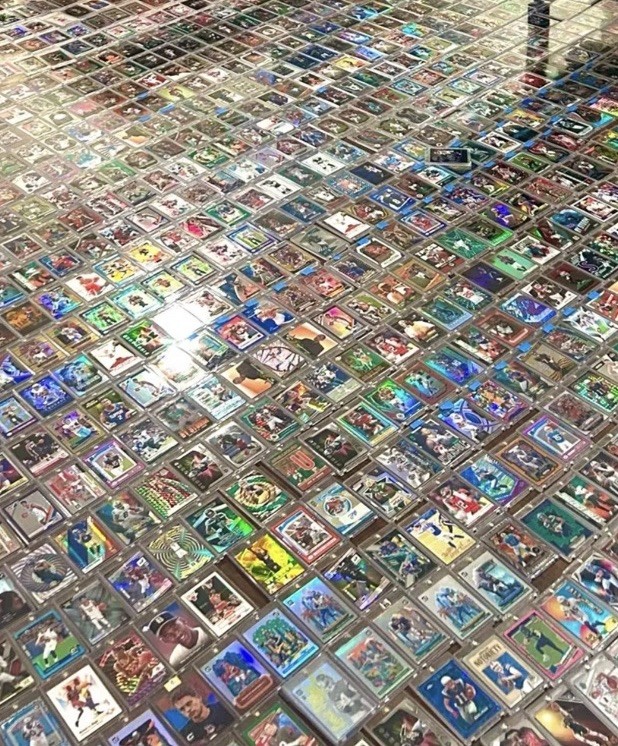

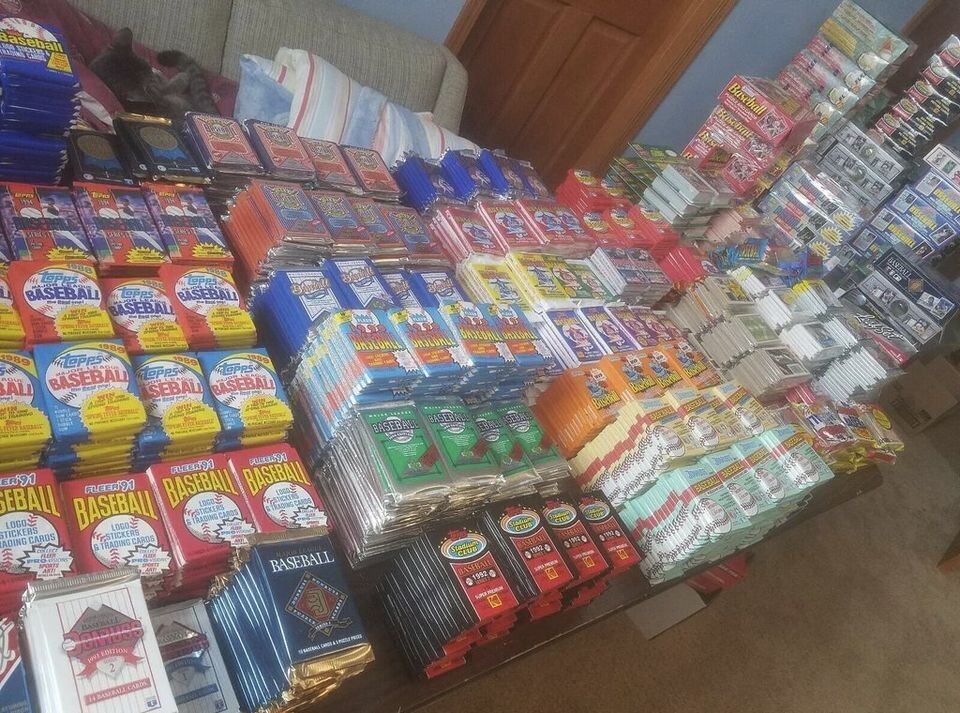
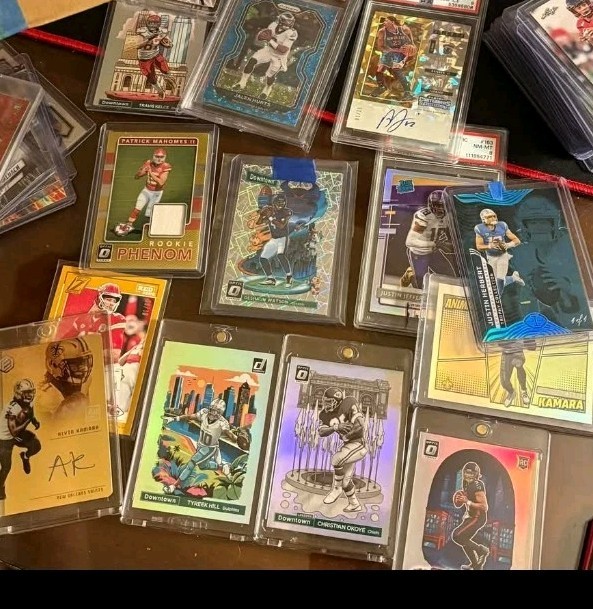

eBay links are affiliate links: JunkPal may earn a commission at no cost to you.
Resale values related to flipping
Shop flipping on eBay ↗



![Charizard [Sparkle] #6](/api/images/junkpal-products/cards/charizard-sparkle-6-pokemon-2000-topps-chrome-card/img0/thumb.webp)

JunkPal may earn a commission when you buy through eBay links, at no extra cost to you.
What’s worth the most
Ranked on medians of real closed eBay sales, not asking prices.