What does “flip price” mean?
What it means
Flip price is the current, realized market value for a trading card. It is the average or median selling price derived from recent, completed transactions across major secondary markets. It is not the manufacturer's suggested retail price (MSRP) or an arbitrary asking price. For collectors and resellers, it functions as the consensus market benchmark—what the card *actually* sells for right now when moved efficiently. It reflects immediate supply and demand, not long-term potential.
What it does to price
The flip price sets the baseline for negotiation. A card listed significantly above its established flip price risks stagnation. For graded cards (PSA/BGS), the grade is the primary multiplier; a PSA 10 often commands 3x to 10x the price of a PSA 9, depending on scarcity. For raw cards, condition is key. A Near Mint (NM) copy might sell for 1.2x the flip price, while a Lightly Played (LP) copy might settle at 0.6x. For example, if the flip price for a common rookie is \$5, a card graded PSA 10 might fetch \$50, while a raw NM copy might sell for \$7.50.
How to spot it
The flip price is determined by verifiable sales history, not just current listings. To verify it, cross-reference completed sales data on platforms like eBay sold listings and dedicated grading service marketplaces. Sellers should provide high-resolution photos showing the card's edges and corners under direct light. Common pitfalls include sellers misrepresenting condition (e.g., calling a heavily corner-dented card "NM") or listing cards from obscure, non-standard print runs that lack established market data.
Buying smart
Paying a premium above the flip price is only justified when the card offers significant upside potential or possesses verifiable, rare attributes. This applies to unreleased chase cards, cards with confirmed serial numbers, or cards where the current market is known to be temporarily undershooting true value due to low recent sales volume. A fair deal generally sits within 5% to 15% above the established flip price for a high-demand, high-grade item. Anything significantly higher requires documented evidence of rarity or immediate need.
Selling smart
Proving the card's condition directly impacts the realized flip price. A listing that includes a high-resolution photo clearly showing the card's centering and corners earns a premium over a listing relying solely on a blurry, low-angle photo. The single most effective word in a description is "Authenticated" if a grade exists, or "Raw, Near Mint" if it does not. Clear, objective condition descriptors reduce buyer hesitation and allow the final sale price to align closer to the upper end of the market consensus.
On eBay right now
Current asking prices from live listings — not sold-comp medians.
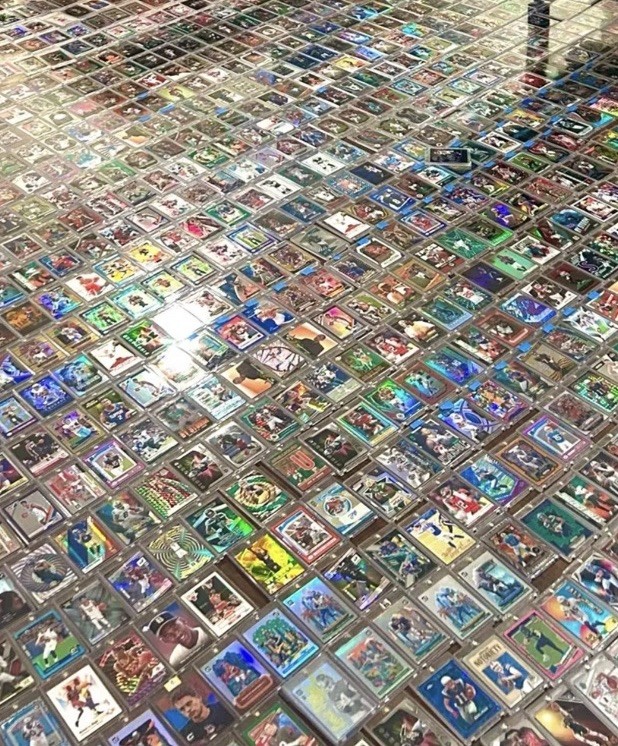
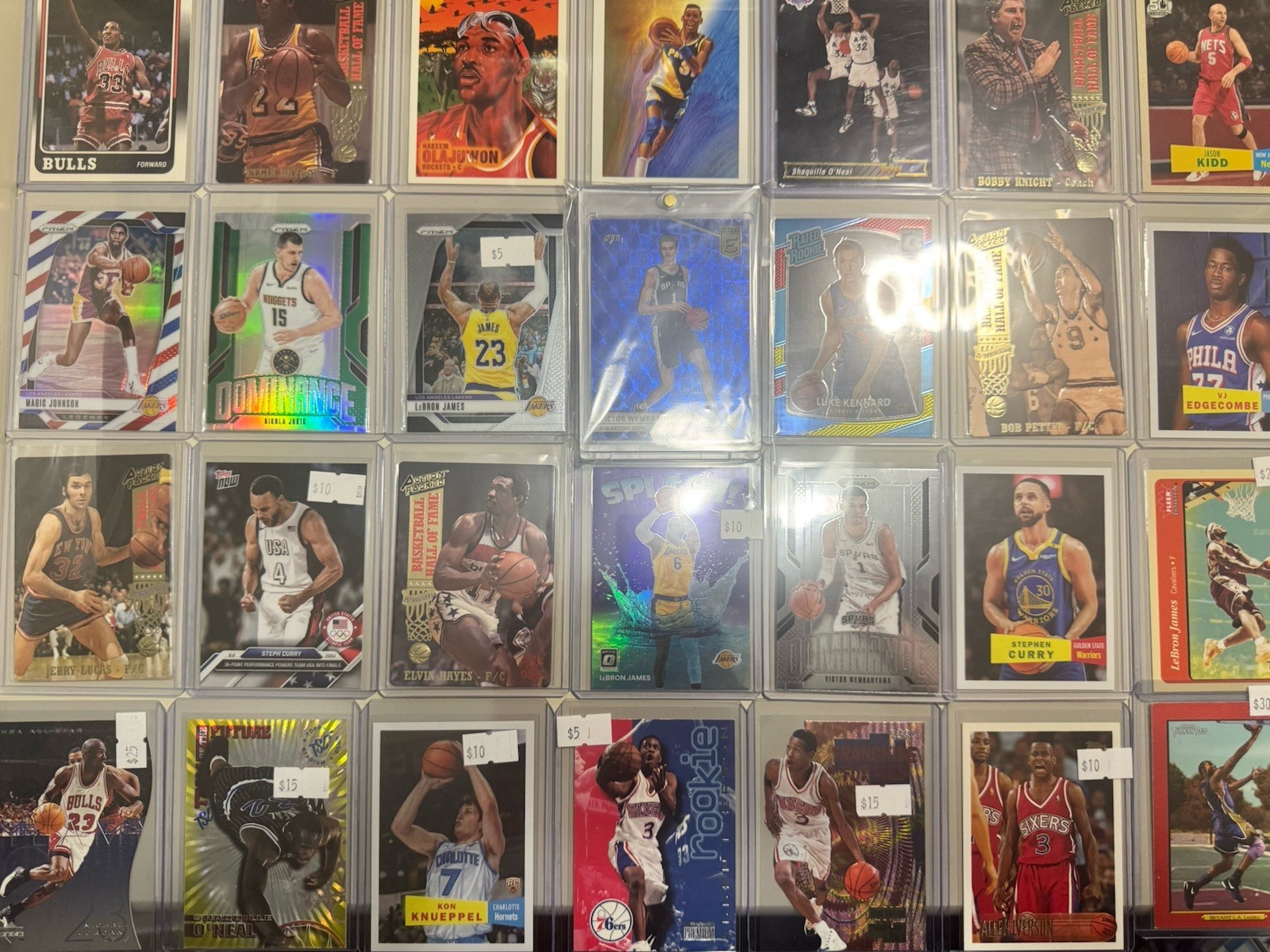

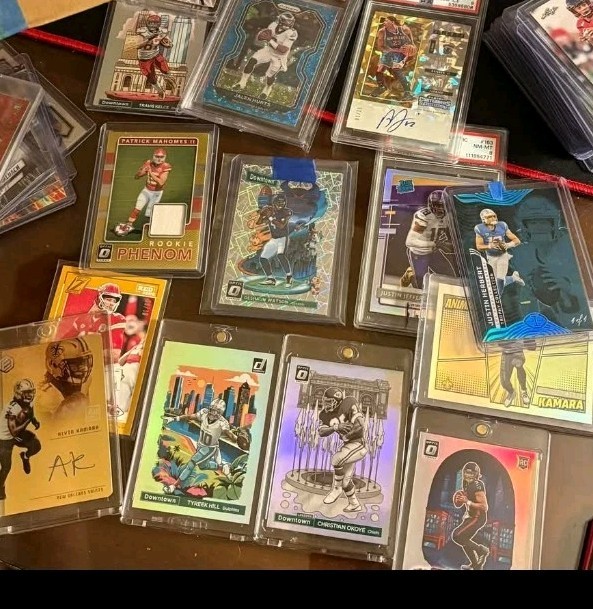


eBay links are affiliate links: JunkPal may earn a commission at no cost to you.
Resale values related to flip price
Shop flip price on eBay ↗
![Jolteon [Tekno] #135](/api/images/junkpal-products/cards/jolteon-tekno-135-pokemon-2000-topps-chrome-card/img0/thumb.webp)




JunkPal may earn a commission when you buy through eBay links, at no extra cost to you.
What’s worth the most
Ranked on medians of real closed eBay sales, not asking prices.