What does “fine condition card price” mean?
What it means
Fine condition card price is the estimated market value for a trading card assessed at a "Fine" grade. This grading tier signifies minor, acceptable wear consistent with the card's age. It is not mint; minor edge whitening, slight surface scuffs, or very light corner rounding are permissible. It is significantly better than "Good" or "Poor" but does not meet the standards for "Near Mint" or "Mint." For a reseller, this is the entry point for collectible cards that show history but retain strong appeal.
What it does to price
The difference between a loose card and a professionally graded card in Fine condition is substantial. A comparable loose card might fetch 1x the price of a graded Fine card, but the graded version typically commands a 1.5x to 2.5x premium due to the third-party verification. Factors pushing the price up include high scarcity (low print runs) and high demand (popular players/sets). A card in Fine condition might sell for $15; if it is a highly sought-after rookie, the same card graded Fine could sell for $35 or more. Wear that crosses into "Very Good" territory will immediately drop the price by 20-40% compared to Fine.
How to spot it
Visual inspection is key. Look for edge wear—is it just slight rounding, or is there actual chipping? Corners should have minimal rounding, not deep dings. Surface inspection must reveal only minor scuffs, not deep scratches or print lines. Sellers must provide high-resolution, focused photos of all four corners and the entire surface. Common mistakes include confusing "Fine" with "Near Mint"; a card that is slightly bent but still playable is often mislabeled as Fine when it should be lower.
Buying smart
Paying the premium for a Fine-graded card is worthwhile when the card is a high-demand rookie or a key piece of a set that is otherwise difficult to find. If the card is a common chase card, the premium might not justify the cost, as the price difference between Fine and Near Mint might be small relative to the overall purchase price. A fair deal involves the asking price being within 10-15% of the average completed sale price for that specific grade across multiple recent listings.
Selling smart
Listing a card as "Fine Condition" when it is actually "Good" results in immediate buyer skepticism and low offers. To earn the Fine premium, the listing must include photos clearly demonstrating the acceptable wear—showing the minor edge wear without exaggerating it. The word "Fine" in the title is not enough; the description must validate the grade by detailing the wear present (e.g., "Light edge whitening present, otherwise sharp"). This documentation justifies the higher asking price to knowledgeable buyers.
On eBay right now
Current asking prices from live listings — not sold-comp medians.

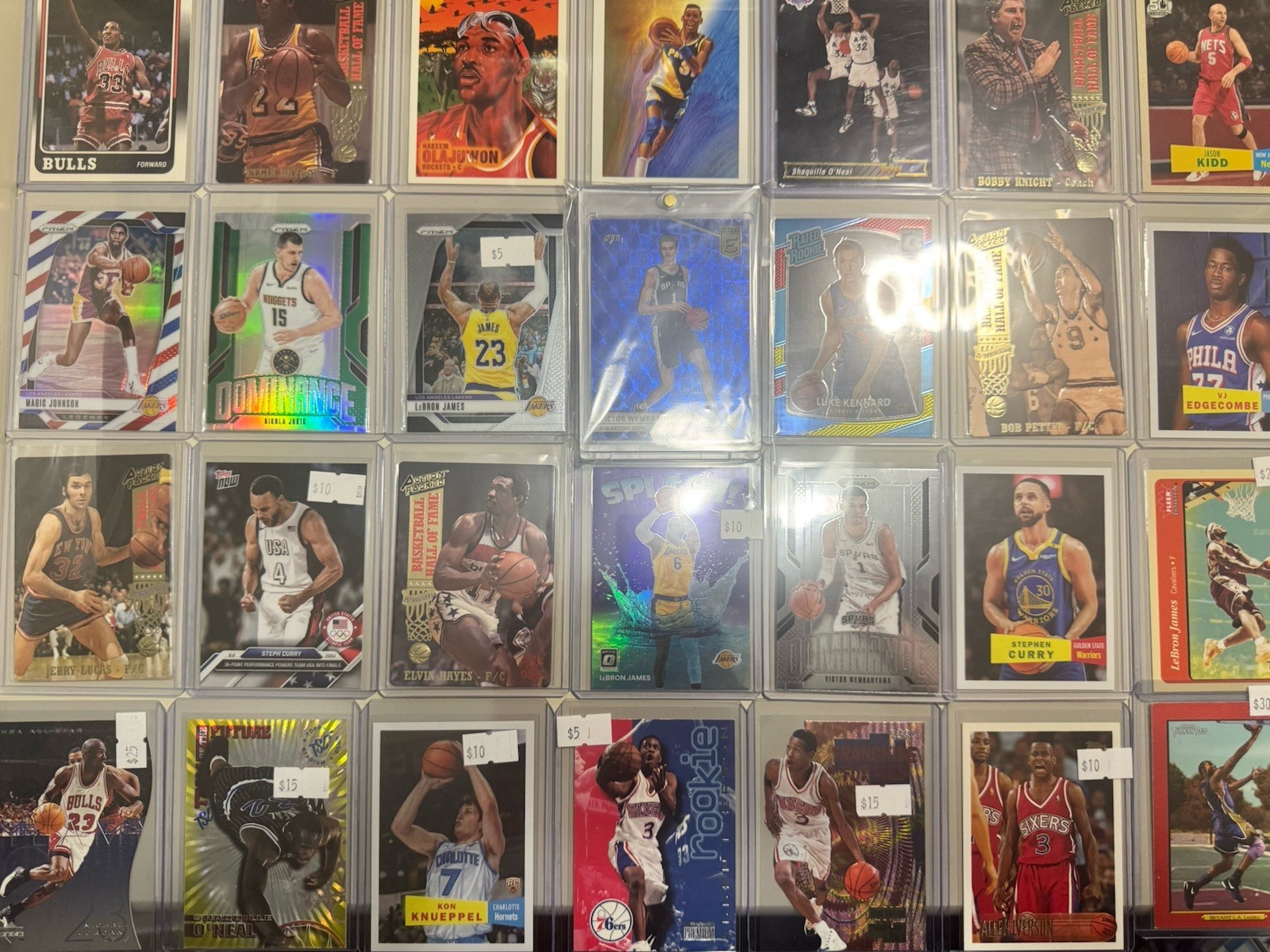
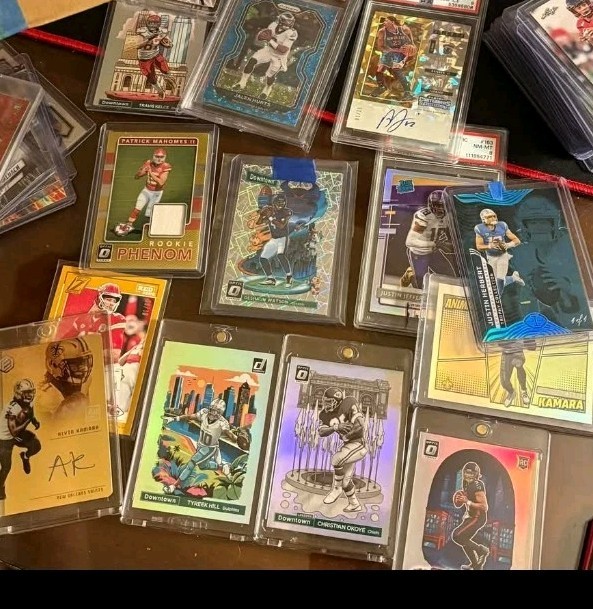


eBay links are affiliate links: JunkPal may earn a commission at no cost to you.
Resale values related to fine condition card price
Shop fine condition card price on eBay ↗



![Zapdos [Tekno] #145](/api/images/junkpal-products/cards/zapdos-tekno-145-pokemon-2000-topps-chrome-card/img0/thumb.webp)
![Charizard [Reverse Holo] #3](/api/images/junkpal-products/cards/charizard-reverse-holo-3-pokemon-legendary-collection-card/img0/thumb.webp)
JunkPal may earn a commission when you buy through eBay links, at no extra cost to you.
What’s worth the most
Ranked on medians of real closed eBay sales, not asking prices.