What does “fine condition card” mean?
What it means
"Fine condition card" denotes a trading card that has been handled with care, showing only minor, expected signs of use. This is not "near-mint" in the strictest sense; it is a step below that designation. The card is free from major structural damage such as deep creases, heavy edge whitening, or large corner chips. Acceptable flaws include light edge wear (slight rounding or scuffing), very minor surface abrasions, or minimal, barely perceptible print registration issues. In mainstream terms, this aligns closely with a "Near Mint-Light" (NM-LT) grade, though the specific tolerance for flaws varies by grading company. It represents a card that looks excellent to the casual observer but possesses subtle imperfections visible under close inspection.
What it does to price
The price premium over a "Very Good" (VG) or "Good" (G) card is substantial, often ranging from 2x to 5x the value of a lower-graded copy, depending on the card's rarity and market demand. The gap between "Fine" and "Gem Mint" (M) is significant; a Gem Mint copy can fetch 3x to 10x the price of a Fine copy for the same card. Flaws that push a card down from Fine to VG include noticeable print lines, significant whitening along the edges, or any visible surface scratches that catch the light. A realistic example: a common chase card might sell for \$15 in VG condition, but a well-documented Fine copy should command \$35 to \$50.
How to spot it
Inspect the edges first. Fine cards should have minimal chipping or rounding; if the edges look heavily worn, the card is likely closer to VG. Examine the surface under strong light for fine hairline scratches or print smudges—these are the tell-tale signs of minor wear. Corners should be sharp but may exhibit slight softening. Sellers must provide high-resolution photos of the card edges and the front/back surface, specifically focusing on areas where wear typically occurs. Be wary of sellers claiming "Fine" when the card shows evidence of significant corner dings; these are often honest mistakes in grading terminology.
Buying smart
Paying a premium for a Fine card is justified when the card is highly desirable, scarce, or part of a key set. If the card is a common pull or a low-tier chase card, the premium over a VG copy may not be worth the risk of minor flaws. A fair deal for a Fine card means the asking price reflects the documented minor flaws; if the seller presents the card as pristine but it shows visible edge wear, the price is inflated. A reasonable purchase is when the card looks visually near-perfect but the price is still below the established market rate for a professionally graded NM card.
Selling smart
To maximize return, the listing must clearly define the card's condition. Do not simply state "Fine"; describe the specific wear. For example: "Fine condition, minor edge wear only, no surface scratches." The single most valuable asset in a listing is a high-resolution, well-lit photograph that captures the card's edges and surface detail. This documentation manages buyer expectations, preventing disputes and allowing the seller to command the top end of the Fine condition price bracket.
On eBay right now
Current asking prices from live listings — not sold-comp medians.

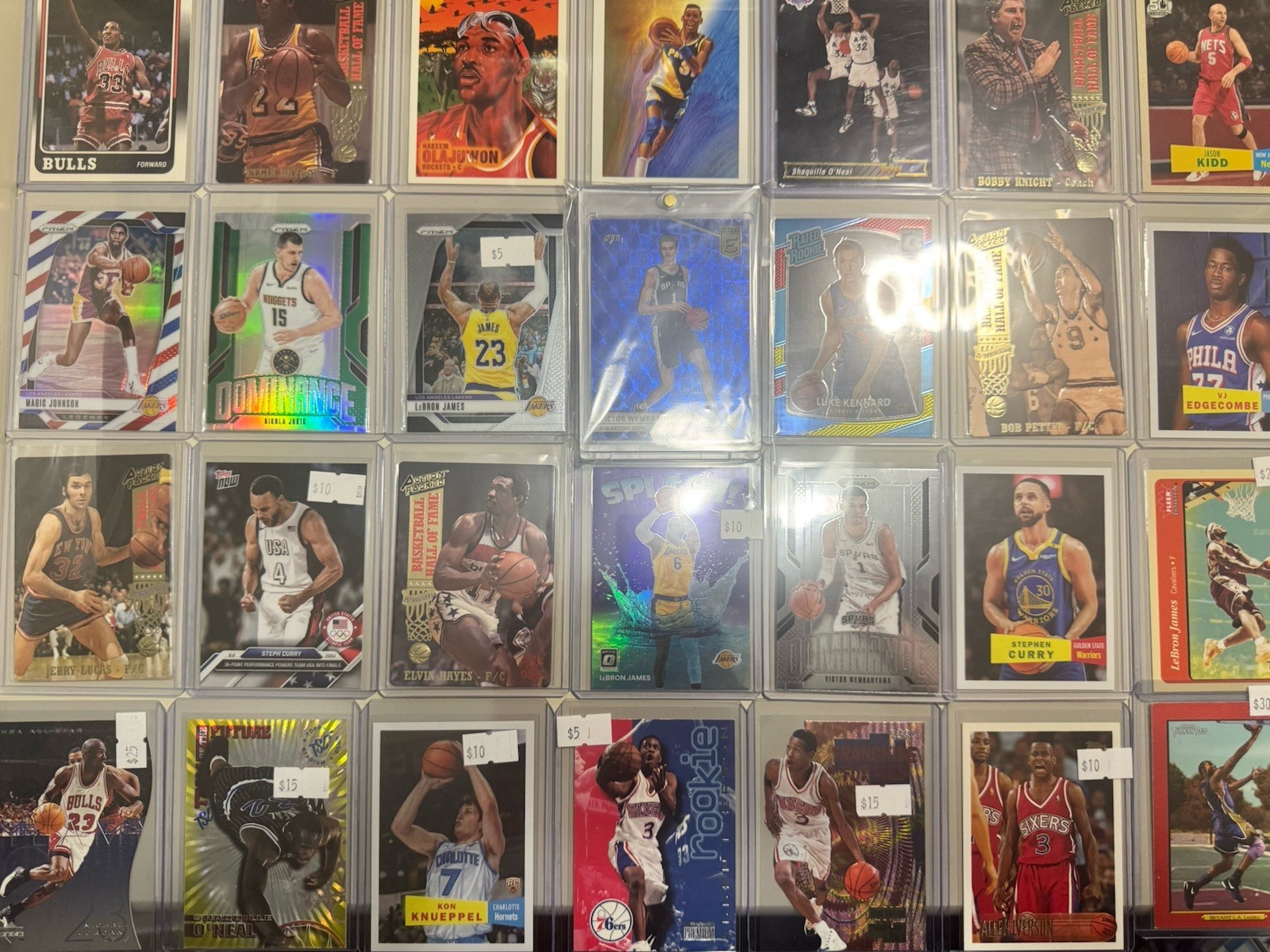
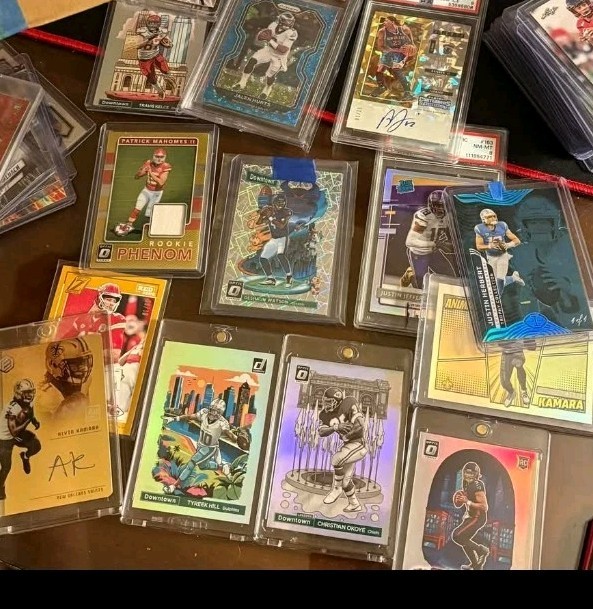


eBay links are affiliate links: JunkPal may earn a commission at no cost to you.
Resale values related to fine condition card
Shop fine condition card on eBay ↗



JunkPal may earn a commission when you buy through eBay links, at no extra cost to you.
What’s worth the most
Ranked on medians of real closed eBay sales, not asking prices.