What does “fine condition” mean?
What it means
"Fine condition" in trading cards denotes a high level of preservation, falling below Mint or Near Mint but significantly above Very Good or Good. The card shows only minor signs of handling consistent with careful play or storage. Edges are sharp with minimal, light wear (slight rounding), and corners exhibit only very slight, minor blunting, not significant dings or creases. The surface must be clean, free from heavy scuffs, print fading, or noticeable surface scratches. Color saturation remains strong, and the print registration is crisp. This is a functional, high-grade descriptor; it is not synonymous with "Near Mint."
What it does to price
Condition is a primary driver of valuation. A card rated Fine will typically command a price range of 2x to 4x that of the same card in Good condition, depending on rarity. For a mid-tier, sought-after chase card, the difference can be substantial. For example, a common card might sell for \$5 in Good condition, but a Fine copy could easily fetch \$15 to \$25. Factors pushing the price up within this category include perfect centering and unblemished surface areas. Factors pulling it down include even minor edge whitening or a small, light surface print imperfection.
How to spot it
Inspect corners first. Fine means corners are slightly softened, not sharply pointed. Edges should be clean; look for light rubbing, not heavy fraying. Examine the surface under magnification for print defects—look for microscopic ink bleed or light scratches that catch the light. Sellers should provide high-resolution images of all four corners and the edges. A common mistake is mislabeling a card that is actually in Very Good condition as Fine. Fakes are rare for condition grading but often involve poor centering or slightly off-color printing, which should be visible even in "Fine" examples.
Buying smart
Paying a premium for Fine condition is justified when the card is a high-demand, low-supply chase card, or if the card is essential for completing a high-value set. If the card is common or low-tier, the price jump from Good to Fine may not cover the risk or the marginal value increase. A fair deal involves the asking price being within 15-25% above the established average market price for a Good copy of the same card. If the seller is unwilling to provide detailed photos, the risk is too high to pay the Fine premium.
Selling smart
To maximize revenue, the listing must unequivocally prove the card meets the Fine standard. The single most effective element is a set of high-resolution, well-lit photos focusing specifically on the four corners and the edges. Use a neutral, bright light source. The word "Fine" is only valuable if the evidence supports it. Do not exaggerate minor wear; honesty in condition reporting prevents buyer disputes and protects the seller’s reputation, ensuring a quicker, higher-value sale.
On eBay right now
Current asking prices from live listings — not sold-comp medians.

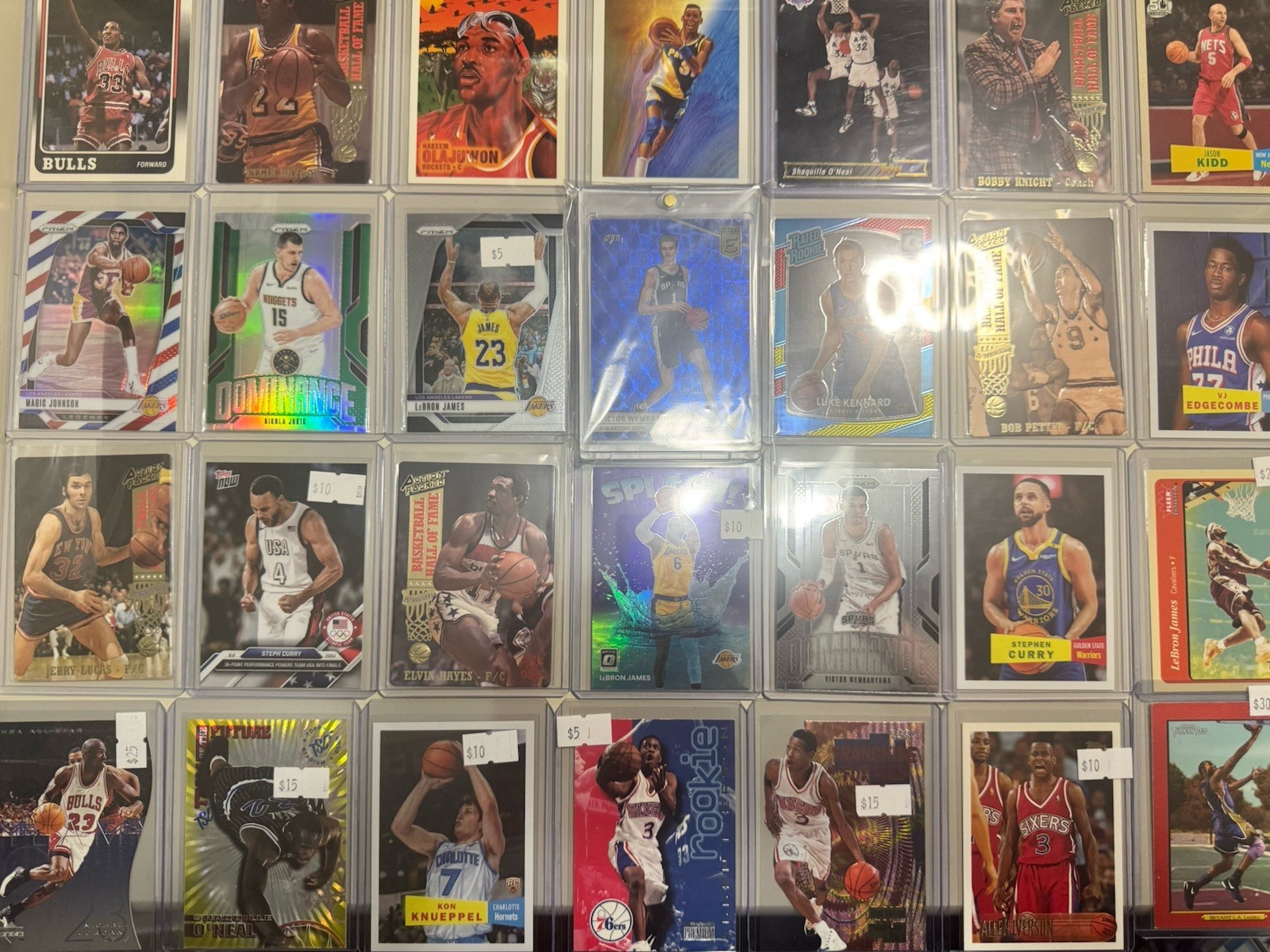
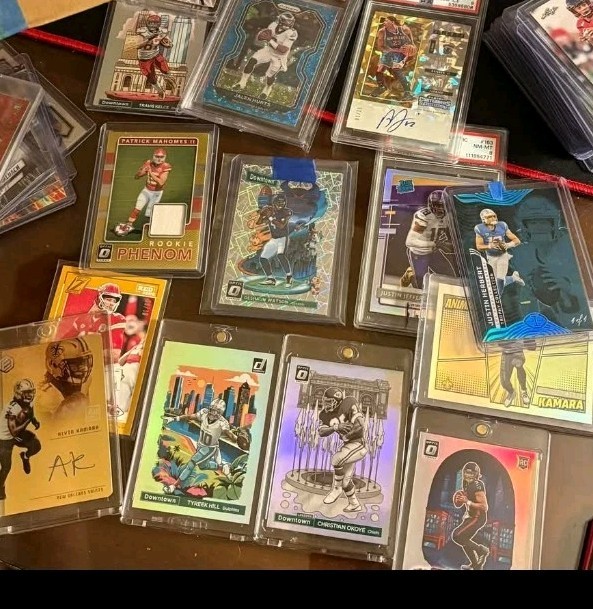

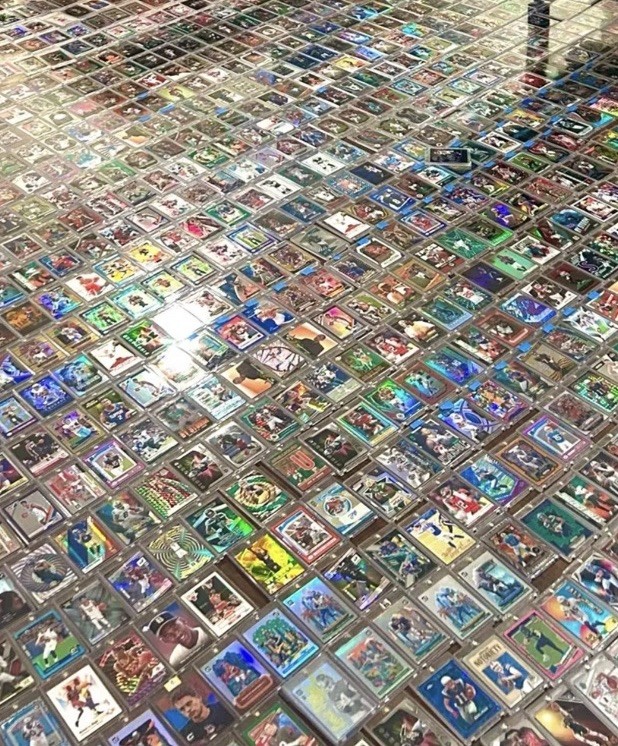

eBay links are affiliate links: JunkPal may earn a commission at no cost to you.
Resale values related to fine condition
Shop fine condition on eBay ↗![Scyther [Tekno] #123](/api/images/junkpal-products/cards/scyther-tekno-123-pokemon-2000-topps-chrome-card/img0/thumb.webp)

![Scyther [Sparkle] #123](/api/images/junkpal-products/cards/scyther-sparkle-123-pokemon-2000-topps-chrome-card/img0/thumb.webp)
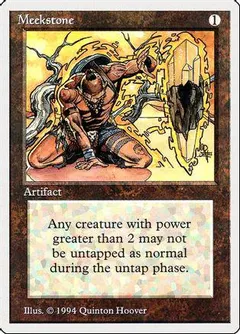


![Charizard [Box Topper] #S1](/api/images/junkpal-products/cards/charizard-box-topper-s1-pokemon-legendary-collection-card/img0/thumb.webp)
JunkPal may earn a commission when you buy through eBay links, at no extra cost to you.
What’s worth the most
Ranked on medians of real closed eBay sales, not asking prices.