What does “fair” mean?
What it means
"Fair" is a condition grade for trading cards indicating acceptable, but visibly imperfect, use. It is not "Good" (which implies heavy damage) nor is it "Very Good" or higher. Fair cards possess noticeable wear that prevents them from achieving high-grade status, such as PSA 8 or higher. This wear typically includes light edge whitening, minor surface scuffs, or slight corner rounding. The card remains structurally sound and recognizable, but the flaws are evident upon close inspection. Mainstream equivalent: Acceptable condition, but with clear, non-structural blemishes.
What it does to price
Condition dictates a significant price reduction from high-grade examples. A card graded Fair typically sells for 20% to 45% of the price of an equivalent Near Mint/Mint copy, depending on the card's inherent scarcity. Minor flaws, such as a single, light surface scratch, keep the card in the Fair tier. However, significant damage—like creasing across the face or heavy whitening on two or more corners—can push the card down to the "Poor" tier, drastically reducing value. For a common card, the difference might be negligible, but for a highly sought-after chase card, the difference could be hundreds of dollars.
How to spot it
Spotting Fair condition requires close examination under bright light. Check the edges for uniform, light discoloration (whitening). Examine the surface under magnification for fine scratches or print imperfections. Corners should show rounding, not sharp points. Sellers should provide high-resolution images focused specifically on the edges and corners. A common honest mistake is mislabeling a "Good" card as "Fair." A fake might mimic minor wear, but genuine Fair condition shows wear consistent with handling, not deliberate damage.
Buying smart
Paying a premium for a Fair card is only justifiable when the card itself is exceptionally rare, highly desirable, or part of a critical, incomplete set. If the card is common or has moderate market demand, the discount offered by the Fair grade is usually sufficient justification for the lower price. A fair deal means the asking price reflects the visible flaws—if the listing describes it as "Near Mint" but the card is visibly worn, the deal is poor.
Selling smart
Transparency regarding condition maximizes the final sale price. Listing the card as "Fair" and clearly photographing the specific flaws (e.g., "Light edge whitening on bottom right corner") manages buyer expectations and prevents returns or disputes. This honesty allows the seller to command the upper end of the Fair price range. Omitting flaws and hoping the buyer overlooks them risks a lower offer or a negative feedback rating.
On eBay right now
Current asking prices from live listings — not sold-comp medians.

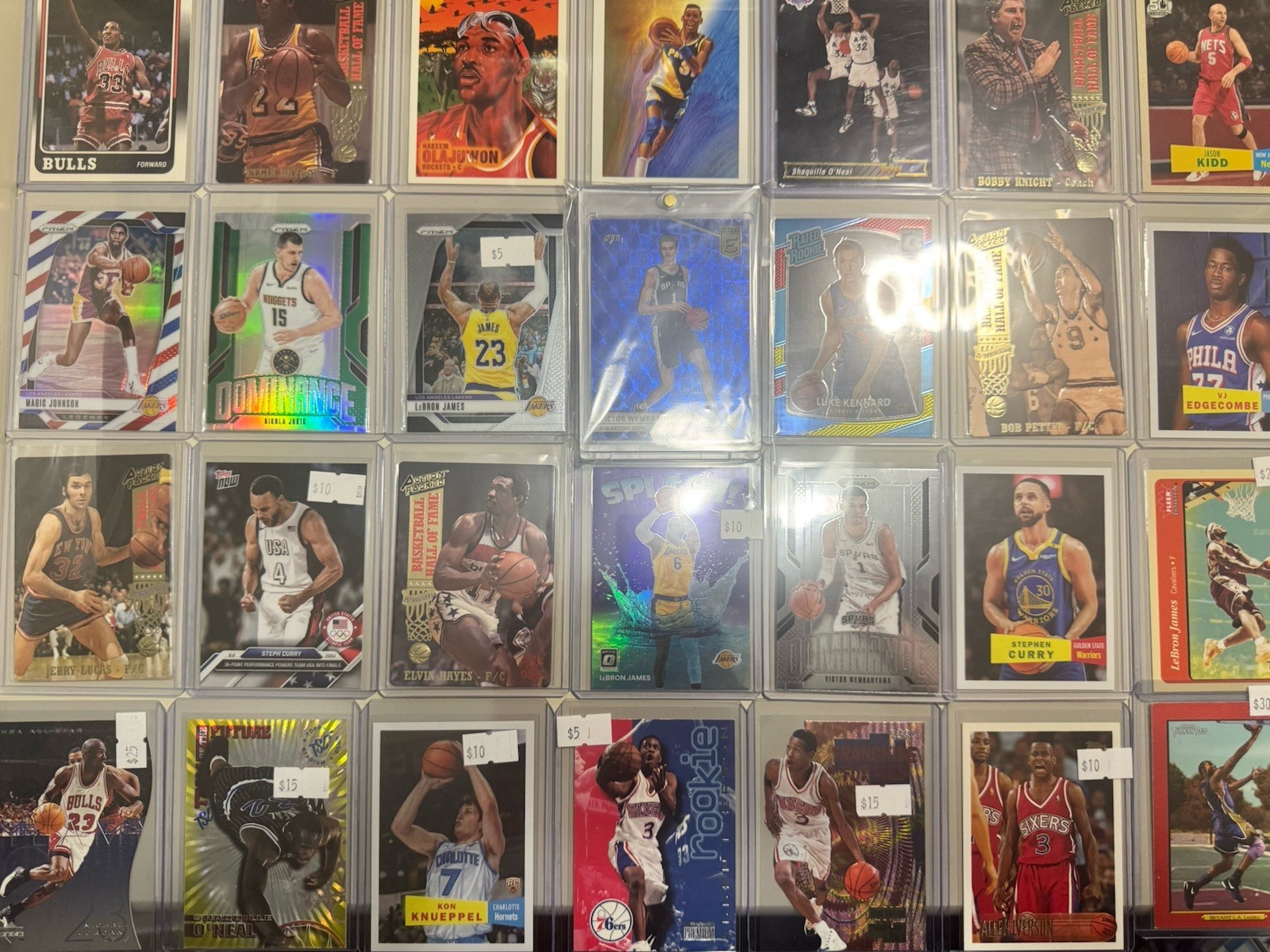
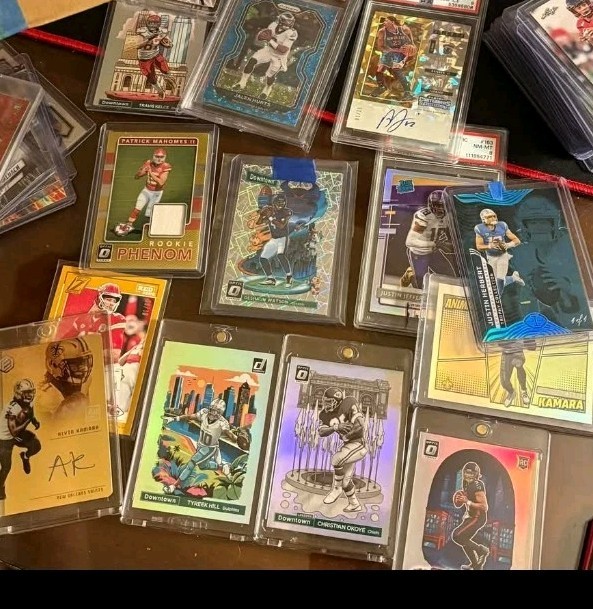


eBay links are affiliate links: JunkPal may earn a commission at no cost to you.
Resale values related to fair
Shop fair on eBay ↗


![Kabutops [Tekno] #141](/api/images/junkpal-products/cards/kabutops-tekno-141-pokemon-2000-topps-chrome-card/img0/thumb.webp)
![Zapdos [Sparkle] #145](/api/images/junkpal-products/cards/zapdos-sparkle-145-pokemon-2000-topps-chrome-card/img0/thumb.webp)
JunkPal may earn a commission when you buy through eBay links, at no extra cost to you.
What’s worth the most
Ranked on medians of real closed eBay sales, not asking prices.