What does “expansion” mean?
What it means
An expansion is a distinct, supplemental release of cards within a trading card game or series, separate from the initial base set. It functions as a thematic or mechanical update to the core product line. Expansions introduce new card artwork, characters, and often new game mechanics or card types. For market assessment, the expansion designation is the primary identifier of a card's origin and its place within the product timeline. This designation dictates the card's scarcity profile relative to the base set.
What it does to price
The expansion directly dictates the card's tier and potential value ceiling. Cards from highly sought-after, limited-run expansions can see multipliers of 5x to 20x over comparable cards from the base set, depending on rarity. A chase card from a recent, hyped expansion might command a price point significantly higher than an older, common card from the same series, even if the card's intrinsic artwork quality is similar. Conversely, an expansion that was poorly received or had an overly large print run will see its associated cards deflate rapidly. A common card from a highly desirable expansion might fetch $15-$30 loose, whereas the same common card from a low-demand expansion might only sell for $2-$5.
How to spot it
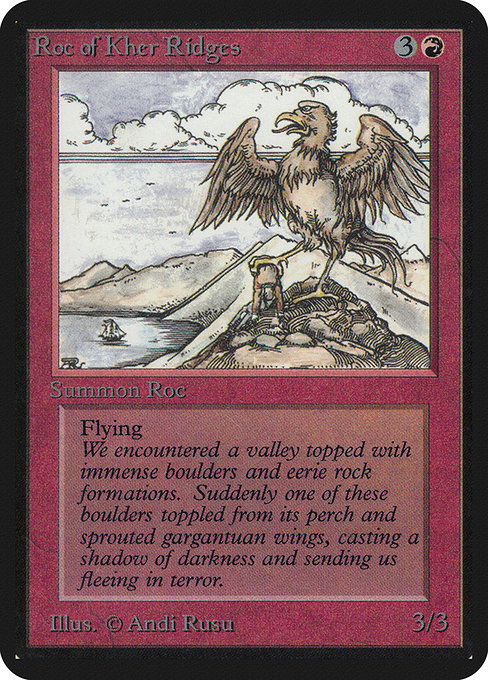
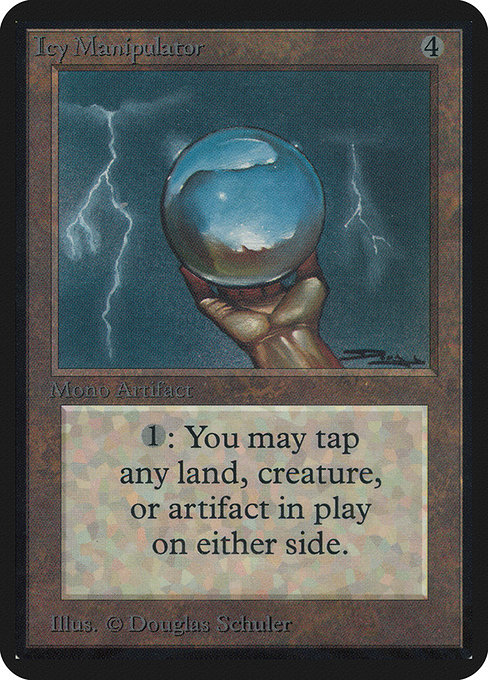
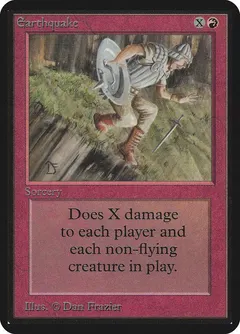
Identification relies on specific set symbols, numbering schemes, and often unique foil treatments specific to that release. Sellers must provide clear images of the card's border or corner, as set logos are often printed there. Common errors include mislabeling a modern reprint as a vintage expansion card. Collectors must verify the card number against known expansion checklists. A common mistake is confusing an alternate art parallel (which is a variation *within* an expansion) with a card from a completely different expansion.
Buying smart
Paying a premium for an expansion card is justified when the card is a known "chase" or "key art" piece from a critically acclaimed or highly anticipated release. If the expansion is known for massive print runs or poor reception, the premium is likely inflated and not worth the investment. A fair deal involves comparing the listed price against established sales data for that specific set symbol. If a card is listed at 3x the average market price for that expansion tier without corresponding scarcity evidence (e.g., confirmed low print run), the deal is likely overpriced.
Selling smart
Proving the card belongs to a specific, desirable expansion significantly increases buyer confidence and therefore the asking price. Listing the exact expansion name or set symbol in the title and description immediately filters the audience to serious collectors who understand the value hierarchy. The single most valuable piece of evidence is a clear, high-resolution photo showing the set symbol or the specific expansion numbering on the card's border. This moves the item from a generic "card" to a verifiable, collectible asset.
On eBay right now
Current asking prices from live listings — not sold-comp medians.




eBay links are affiliate links: JunkPal may earn a commission at no cost to you.
Resale values related to expansion
Shop expansion on eBay ↗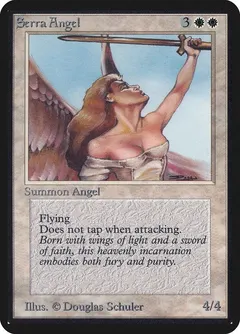


JunkPal may earn a commission when you buy through eBay links, at no extra cost to you.
What’s worth the most
Ranked on medians of real closed eBay sales, not asking prices.