What does “excellent condition card price” mean?
What it means
"Excellent condition card price" denotes the market valuation for a trading card assessed as being in near-perfect, but not flawless, state. This condition level is often equivalent to a near-mint or lightly played grade, depending on the specific grading scale used by the certifying body (e.g., PSA 8 or BGS 9.5). It signifies minimal surface wear, such as faint corner rounding or slight print fading, but lacks the absolute perfection of a "Gem Mint" (PSA 10). This is the standard benchmark for high-quality, desirable, yet imperfect, inventory.
What it does to price
Condition is a major determinant of price, often acting as a significant multiplier over common or worn copies. A card in excellent condition typically commands a premium ranging from 1.8x to 3.5x the price of a comparable card in "Near Mint" (NM) or lower condition. Factors that push the price toward the high end include centering (a critical element often overlooked) and crispness of the edges. Conversely, minor print lines or slight surface scratches will pull the price down toward the lower end of the excellent range. For example, a highly sought-after rookie card might sell for $150 loose, but the same card in excellent condition could easily command $350 to $450.
How to spot it
Visual inspection requires close examination of four areas: corners, edges, surface, and centering. Corners should show only very slight rounding; no sharp creases or dents. Edges must be clean, without chipping or whitening. The surface must be free of major scratches, print lines, or discoloration. Centering—the alignment of the image within the borders—must be tight, typically within 5-10% off perfect. Sellers should provide high-resolution photos, specifically close-ups of the corners and the back of the card to verify centering. Be wary of sellers claiming "excellent" when the card shows visible print shifting or heavy edge wear.
Buying smart
Paying a premium for excellent condition is justified when the card is a high-tier, blue-chip asset (e.g., a top-tier rookie or chase card) where condition directly impacts long-term value retention. For low-value or common cards, the premium rarely justifies the cost; the difference between excellent and near-mint is often negligible in resale profit. A fair deal requires the asking price to be supported by recent sales data for that specific grade/condition. If the asking price exceeds 2.5x the documented market value for that condition, further verification of the card's history is necessary.
Selling smart
Listing a card with verified excellent condition significantly increases buyer confidence and justifies a higher asking price. The most effective tool is a third-party grade, which removes all subjective debate. If grading is unavailable, the single most valuable piece of evidence is a set of four high-resolution photos: one of the front center, one of the front corners, one of the back center, and one of the back corners. Labeling the listing clearly with "Excellent Condition - Near Mint" sets the expectation and targets the right buyer pool.
On eBay right now
Current asking prices from live listings — not sold-comp medians.

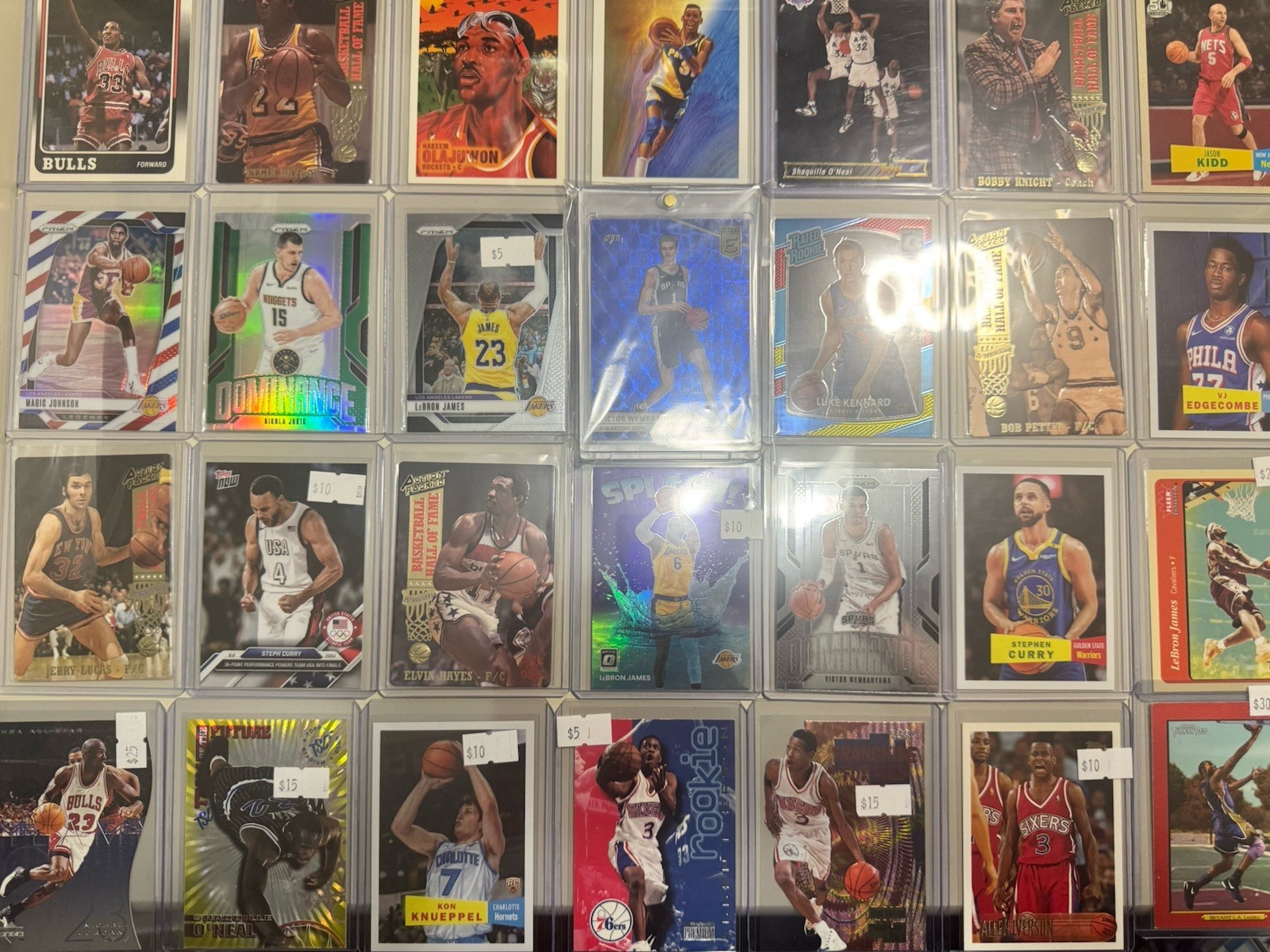

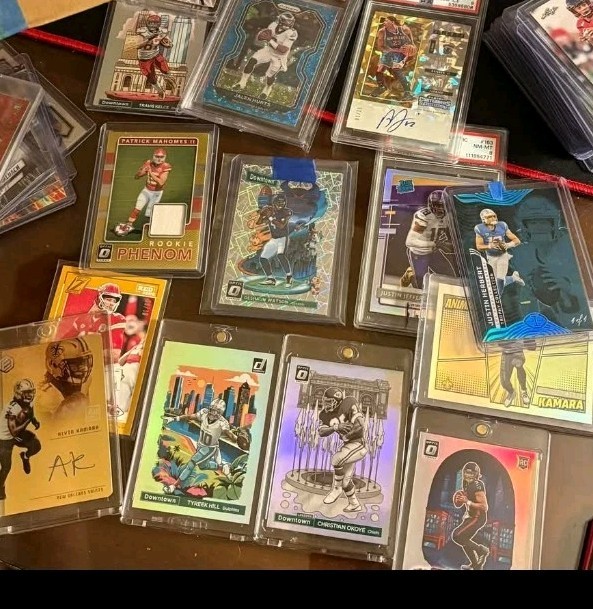


eBay links are affiliate links: JunkPal may earn a commission at no cost to you.
Resale values related to excellent condition card price
Shop excellent condition card price on eBay ↗

![Electabuzz [Tekno] #125](/api/images/junkpal-products/cards/electabuzz-tekno-125-pokemon-2000-topps-chrome-card/img0/thumb.webp)

![Charizard [Spectra] #6](/api/images/junkpal-products/cards/charizard-spectra-6-pokemon-2000-topps-chrome-card/img0/thumb.webp)
JunkPal may earn a commission when you buy through eBay links, at no extra cost to you.
What’s worth the most
Ranked on medians of real closed eBay sales, not asking prices.