What does “excellent condition card” mean?
What it means
"Excellent condition card" signifies a trading card that presents as nearly perfect. This level sits just below "Near Mint" (NM) or "Mint" (M) in standard grading scales, often corresponding to a high-end "Very Fine" (VF) or low-end "Near Mint" (NM) designation depending on the specific set's quality and the grading company's rubric. The card must possess sharp corners, flat centering, and negligible surface wear. Wear is defined as minor edge whitening, microscopic print blemishes, or extremely faint handling marks that do not impede the card's overall visual appeal. This is not a card that has been handled heavily; it has been protected.
What it does to price
Condition is a primary determinant of market value. A card rated "Excellent" will typically command a 1.8x to 3.5x premium over an identical card in "Good" or "Fine" condition. The difference between "Excellent" and "Near Mint" can be substantial, often representing a 40% to 70% price gap depending on the card's rarity. For a common chase card, the difference might be $5 to $15. For a high-demand, rare rookie card, the jump can easily exceed $100. Factors pushing the price up include perfect centering and pristine corners. Factors pulling it down include even minor, barely perceptible print lines or slight corner rounding.
How to spot it
Inspection requires magnification. Look for corner wear—a true Excellent card has corners that are crisp, not rounded. Check the surface under strong light for "print lines" or "scratches," which are microscopic abrasions visible only when the light catches them at an angle. Centering must be tight; excessive offset is a major flaw that immediately drops the grade potential. Sellers should provide high-resolution, edge-to-edge photos. A common mistake is mistaking light surface scuffing (which is usually acceptable in Excellent) for deeper wear (which is not).
Buying smart
Paying a premium for an "Excellent condition card" is justified when the card is a high-demand rookie or a key piece in a set where condition drives the entire value proposition. If the card is common or has low secondary market demand, the premium over a lower-grade copy is rarely worth the risk. A fair deal involves the asking price being within 15% of the established market average for that specific grade. If the seller is asking for a 30%+ premium over comparable listings, further inspection or negotiation is required.
Selling smart
Listing the card as "Excellent condition" requires substantiation. The listing description must detail the card's strengths (e.g., "Sharp corners, excellent centering"). The single most valuable asset in the listing is a high-resolution photo taken in bright, direct, diffused light, specifically showing the corners and the surface area. This photo serves as visual proof of the stated condition, justifying the higher price point and filtering out buyers who expect a lower grade for the same price.
On eBay right now
Current asking prices from live listings — not sold-comp medians.

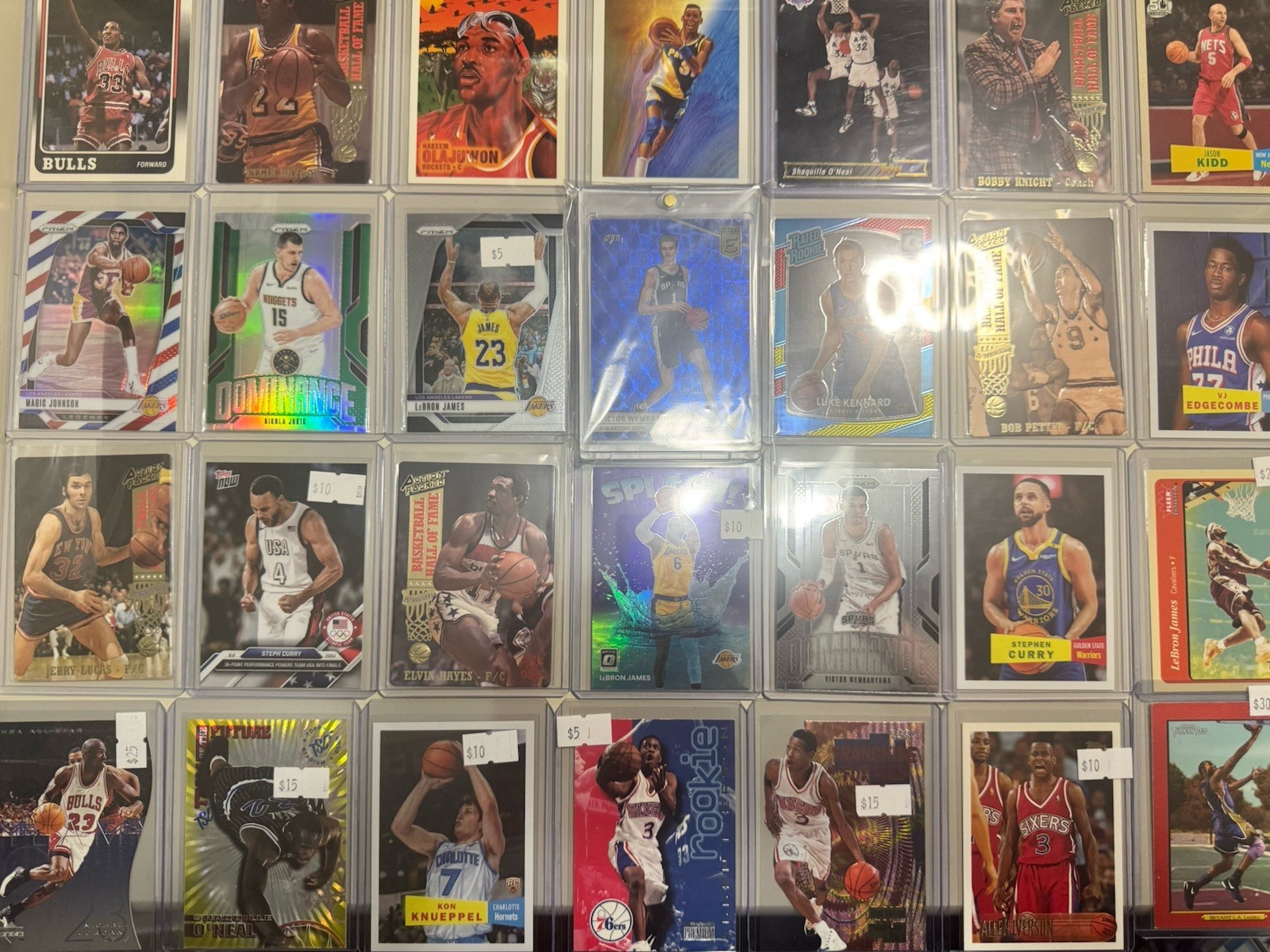
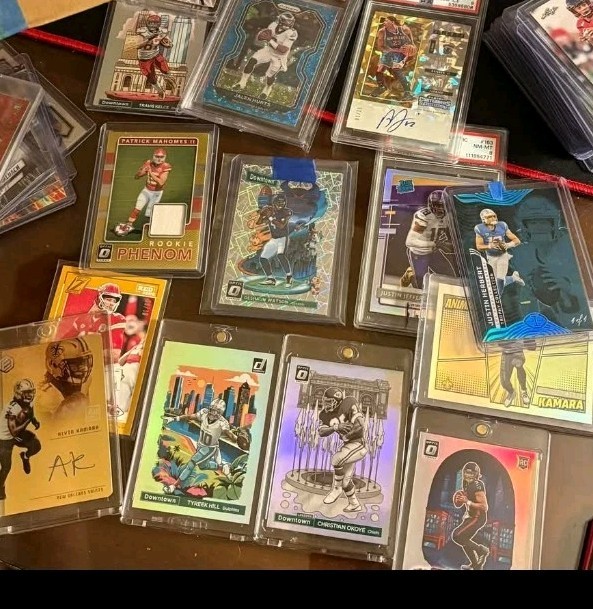



eBay links are affiliate links: JunkPal may earn a commission at no cost to you.
Resale values related to excellent condition card
Shop excellent condition card on eBay ↗



![Charizard [Sparkle] #6](/api/images/junkpal-products/cards/charizard-sparkle-6-pokemon-2000-topps-chrome-card/img0/thumb.webp)

JunkPal may earn a commission when you buy through eBay links, at no extra cost to you.
What’s worth the most
Ranked on medians of real closed eBay sales, not asking prices.