What does “excellent condition” mean?
What it means
"Excellent condition" in trading cards denotes a grade approaching Near Mint (NM) or Mint (M), but often represents a step above standard NM. It signifies a card that has seen minimal play or handling. Corners are sharp, edges are clean with no discernible whitening, and the surface is free of significant scratches, print defects, or discoloration. This descriptor is a qualitative assessment, not a formal PSA/BGS grade, though it aims for that standard. The mainstream equivalent is high-grade, near-perfect condition. It implies professional or extremely careful storage.
What it does to price
Condition is a primary driver of value. A card listed as Excellent will command a significant premium over the same card listed as Lightly Played (LP) or Played (P). For mid-tier, non-PSA graded cards, Excellent condition typically commands a 1.3x to 2.0x multiplier over a comparable LP copy. For high-demand, rare cards, this multiplier can exceed 3x. For example, a common holographic card might sell for $10 loose in LP; in Excellent condition, it could realistically fetch $18 to $25. Minor surface wear, even if subtle, can drop the price by 15-25% instantly.
How to spot it
Inspect the four corners under bright, direct light. Excellent cards should show no rounding or chipping. Examine the edges for any sign of print abrasion or whitening, particularly along the sides. The surface must be flawless—no print lines, scuffs, or creases visible. Sellers must provide high-resolution images focused specifically on the corners and edges. Common mistakes include confusing "Excellent" with "Near Mint" when the card actually has minor corner nicks that are hard to see in poor lighting. Always request close-ups of the front and back.
Buying smart
Paying a premium for Excellent condition is justified when the card is a key chase item, a high-value centerpiece, or when the difference between Excellent and NM is the difference between a $50 sale and a $150 sale. If the card is a low-value, common pull, the premium is rarely worth the risk or the extra cost. A fair deal involves the seller providing photographic evidence that matches the description. If the seller claims Excellent but the photos show even slight corner dulling, the price is inflated.
Selling smart
Listing the card as "Excellent Condition" immediately filters out casual buyers and attracts serious collectors willing to pay top dollar for near-perfect examples. The single most effective element in the listing is a macro photograph of the four corners taken in bright, neutral light. This photo substantiates the claim and justifies the higher asking price. Use precise language; avoid vague terms. If the card has a microscopic flaw, it must be noted, even if it doesn't drop the grade, to maintain buyer trust.
On eBay right now
Current asking prices from live listings — not sold-comp medians.

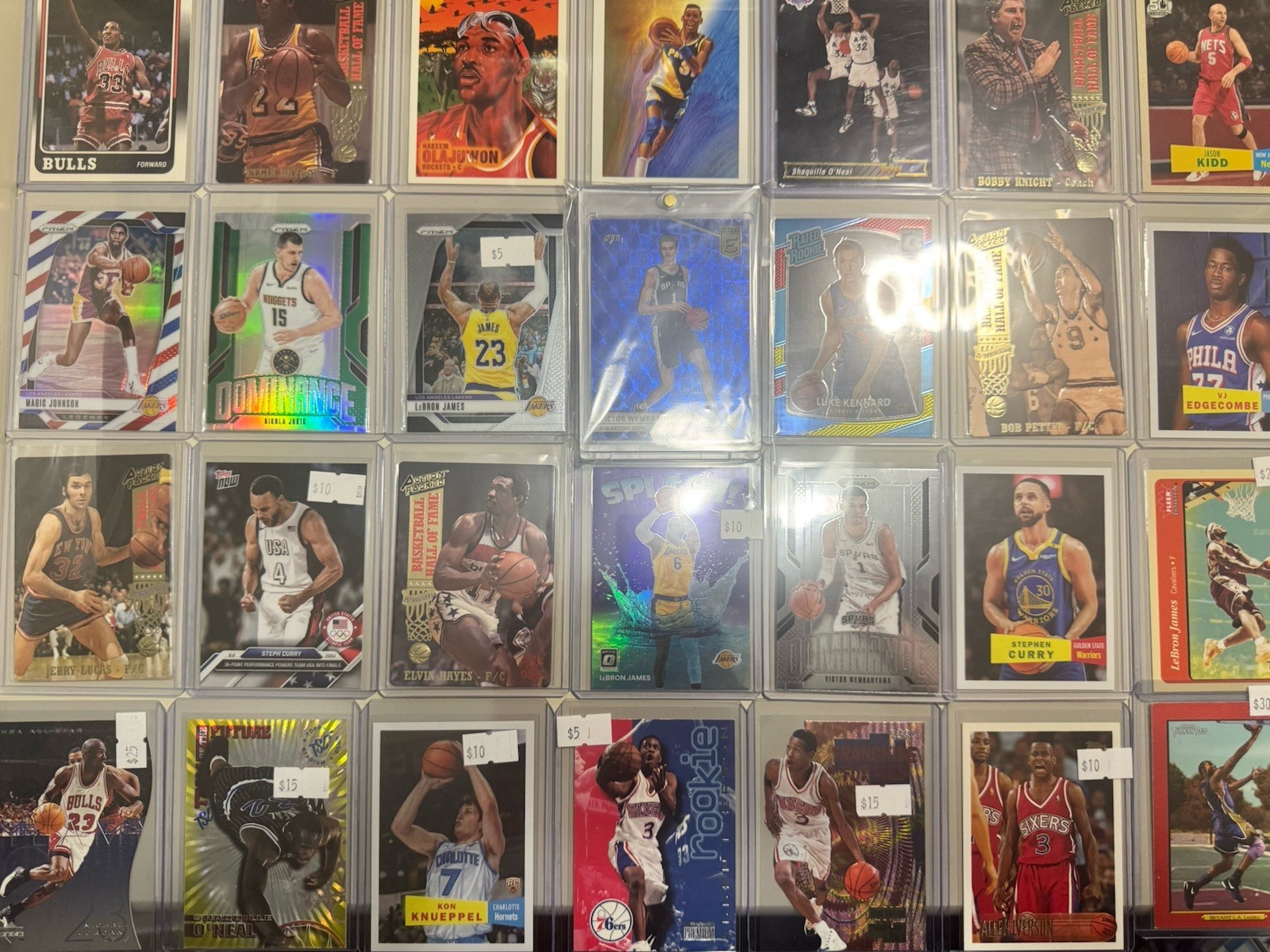
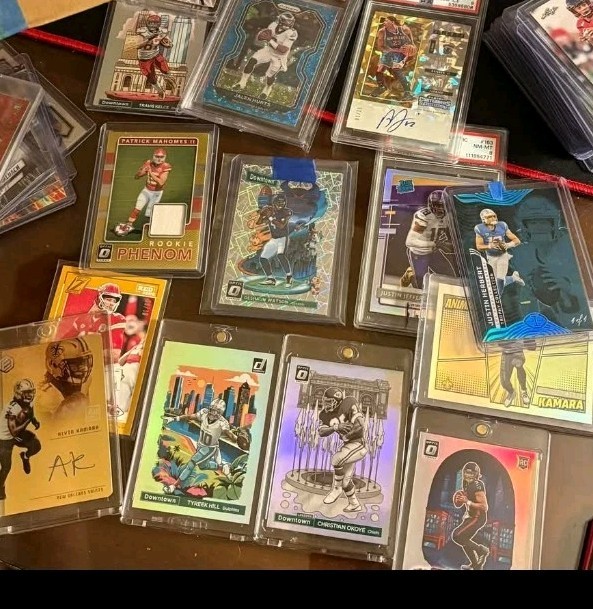



eBay links are affiliate links: JunkPal may earn a commission at no cost to you.
Resale values related to excellent condition
Shop excellent condition on eBay ↗






JunkPal may earn a commission when you buy through eBay links, at no extra cost to you.
What’s worth the most
Ranked on medians of real closed eBay sales, not asking prices.