What does “excellent” mean?
What it means
"Excellent" is a grading designation for a trading card indicating high-grade condition, falling just shy of perfect. It translates to near-mint in common vernacular. The card maintains sharp corners, vibrant color saturation, and minimal signs of use. Acceptable flaws include very light surface handling marks, minor edge wear, or slight, non-structural whitening along the edges. This grade is substantially superior to "Very Good" (VG), which implies noticeable wear, but it lacks the absolute flawlessness required for "Mint" (M) or "Gem Mint" (GM). The difference is presentation; "Excellent" is highly presentable, while "Mint" is showroom quality.
What it does to price
The price differential between "Excellent" and "Mint" is significant, often representing a 20% to 50% premium depending on the card's rarity and market demand. For a mid-tier, sought-after chase card, an "Excellent" copy might sell for 60-75% of the price of a certified "Mint" copy. Factors pushing the price up include perfect centering and crisp corners. Factors pushing it down include noticeable print lines or minor surface scratches that are not easily visible under poor lighting. For example, a common holographic card graded "Excellent" might sell for $15, whereas the same card in "Mint" condition could command $25.
How to spot it
Inspection requires magnification. Look for edge wear; "Excellent" allows for slight softening, but it should not appear frayed or chipped. Surface flaws are key: check for print lines, color shifts, or scuffs. Corners must be sharp; if they appear rounded or dented, the grade drops. Sellers must provide high-resolution photos showing the card from all four angles, including close-ups of the edges and surface. A common honest mistake is mislabeling a "Very Good" card as "Excellent" due to optimistic grading. Fakes are rare at this grade level unless the card is extremely valuable, but check for print registration errors.
Buying smart
Paying a premium for "Excellent" is justified when the card is a key piece in a high-value collection or when the difference between "Excellent" and "Mint" is negligible for the specific card in question. If the card is low-tier or has low market velocity, the premium over a lower grade is not worth the risk. A fair deal involves the asking price reflecting the known, minor flaws. If a seller claims "Excellent" but the photos show visible creasing, the price is inflated. A reasonable purchase price for an "Excellent" card should be at least 70% of the comparable "Mint" listing price.
Selling smart
To maximize return, the listing description must accurately define the flaws. Do not simply state "Excellent"; specify *why* it is Excellent (e.g., "Excellent condition, minor edge whitening on the bottom right corner"). The single most effective tool is a clear, well-lit photograph that allows the buyer to verify the stated condition. If the card has a slight print imperfection, a close-up photo highlighting that imperfection, alongside a clear photo showing the overall sharpness, builds trust and justifies the "Excellent" grade, preventing disputes and attracting serious buyers willing to pay the premium.
On eBay right now
Current asking prices from live listings — not sold-comp medians.

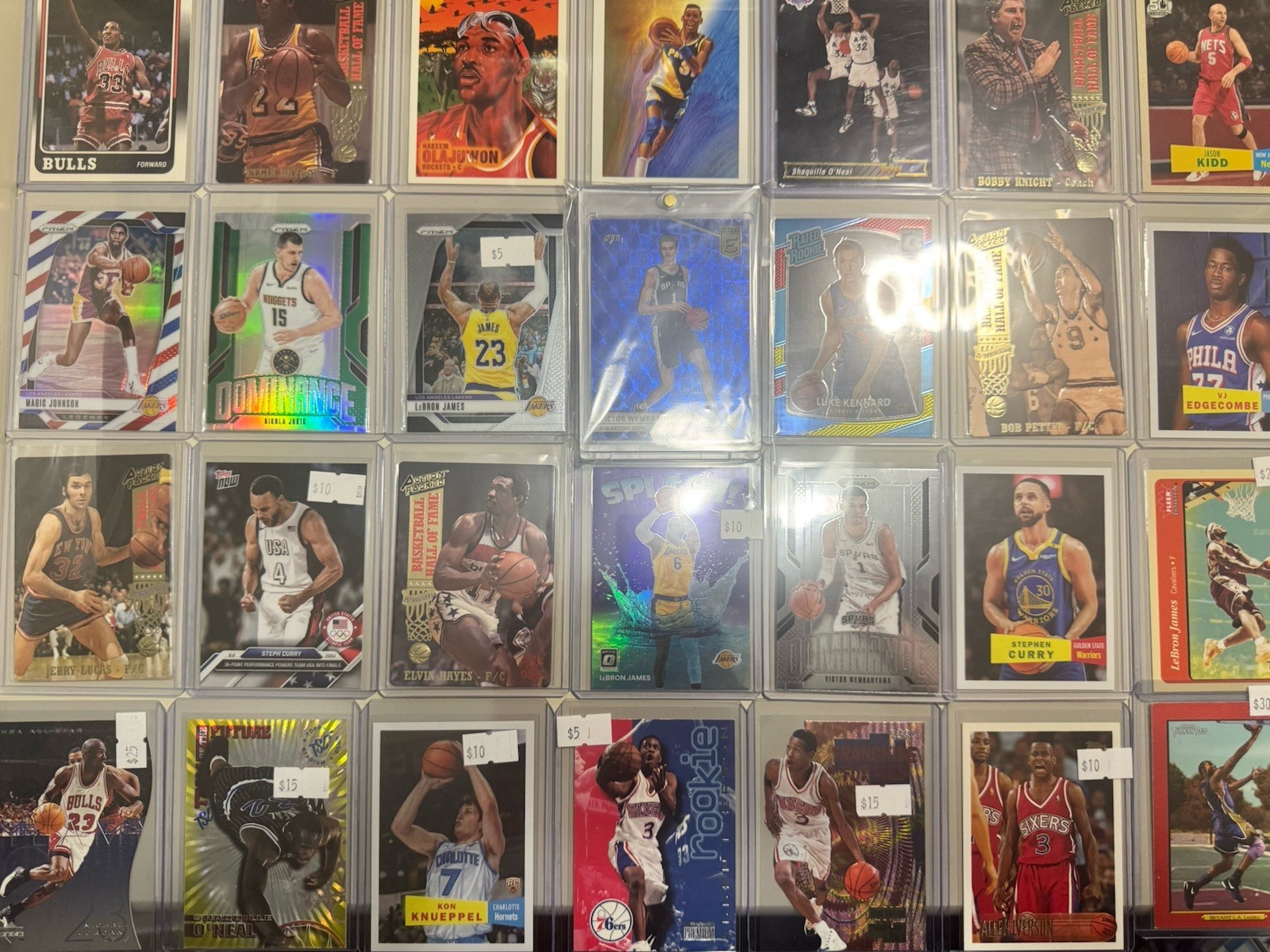
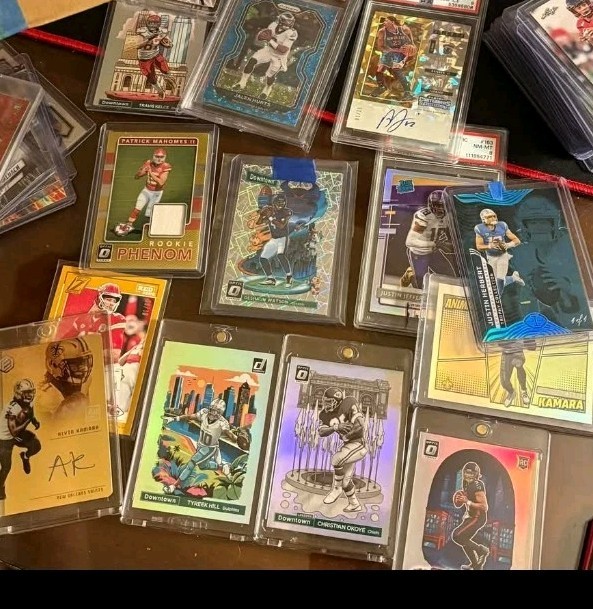

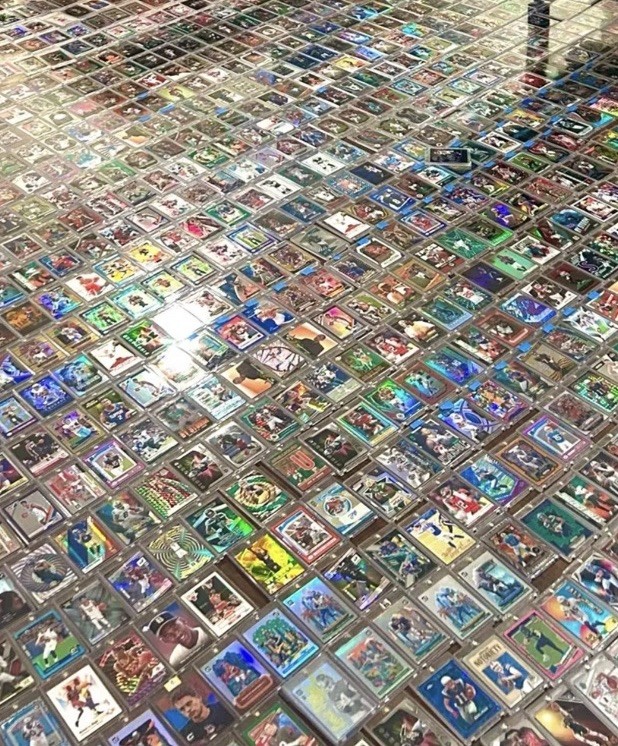

eBay links are affiliate links: JunkPal may earn a commission at no cost to you.
Resale values related to excellent
Shop excellent on eBay ↗
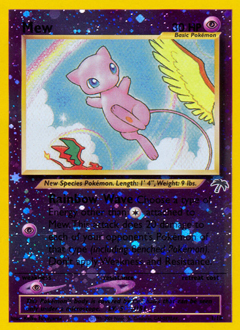
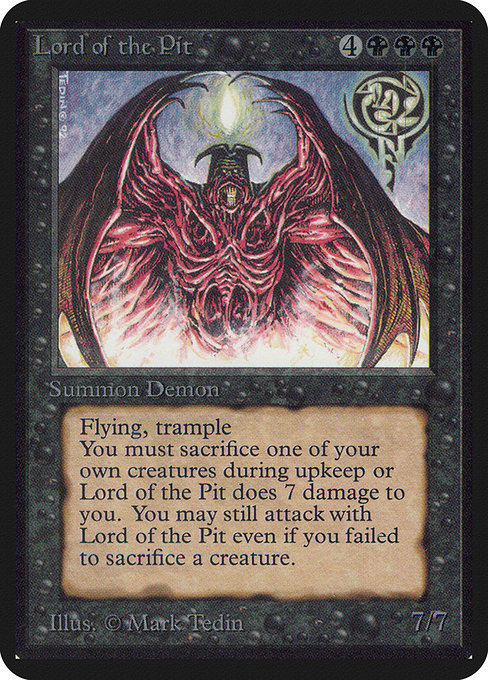


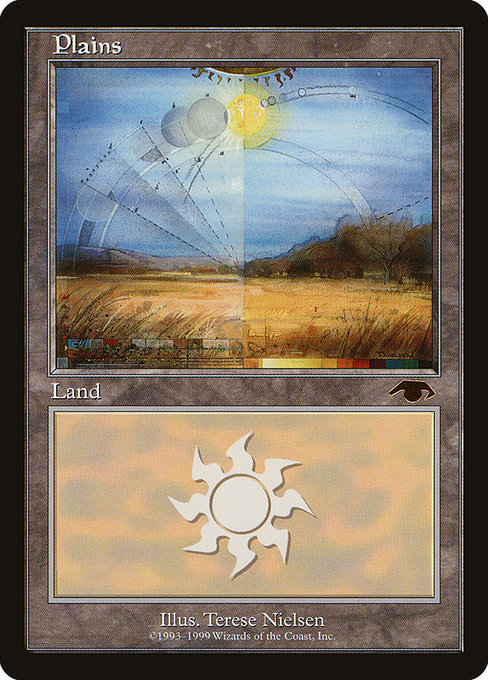

JunkPal may earn a commission when you buy through eBay links, at no extra cost to you.
What’s worth the most
Ranked on medians of real closed eBay sales, not asking prices.