What does “error card” mean?
What it means
An error card is a trading card bearing a verifiable deviation from the intended production standard. This deviation is a printing flaw, such as a misspelled name, an incorrect card image, a specific color shift, or a plate misregistration (misprint). In the collecting niche, this is not merely a defect; it is a documented production anomaly. The mainstream equivalent is a "variant" or "misprint," but the term "error card" specifically implies an unintended, non-standard deviation that collectors seek out.
What it does to price
The presence of a verifiable error can cause significant price inflation. A common, easily identifiable error might add 1.5x to the card's baseline value. However, a rare, undocumented, or significant error (like a color swap on a highly sought-after chase card) can result in multipliers of 10x or more, depending on scarcity. For example, a standard $50 base card with a verifiable, rare printing error might sell for $200–$300 loose, whereas a common, easily corrected error might only push it to $75. The rarity of the error dictates the ceiling.
How to spot it
Spotting an error requires direct comparison against known, correct examples of the same card. Sellers must provide high-resolution, macro photography of the specific area in question. Common tells include font variations, swapped character glyphs, or registration issues where colors bleed outside their intended boundaries. Honest mistakes (e.g., a minor crease) are not errors. Fakes or "intentional errors" created post-production are worthless to serious collectors and must be identified by comparing the print quality of the alleged error against known genuine print runs.
Buying smart
Paying a premium for an error card is justifiable only when the error is documented, verifiable, and rare within the set's production run. If the error is common or easily replicated, the premium is inflated speculation. A fair deal involves the premium being proportional to the documented scarcity. If a seller claims a rare error but cannot provide clear, comparative evidence, the purchase is high-risk speculation, not a sound investment.
Selling smart
To maximize sale price, the listing must explicitly detail the error. Vague descriptions lead to lowball offers. The single most valuable asset in a listing is a high-resolution, close-up photograph that isolates the error—a zoomed-in shot of the misspelling or color shift. A clear title referencing the specific error (e.g., "Error Card: Blue/Red Swap") immediately qualifies the item for the specialized buyer pool, justifying a higher asking price.
On eBay right now
Current asking prices from live listings — not sold-comp medians.

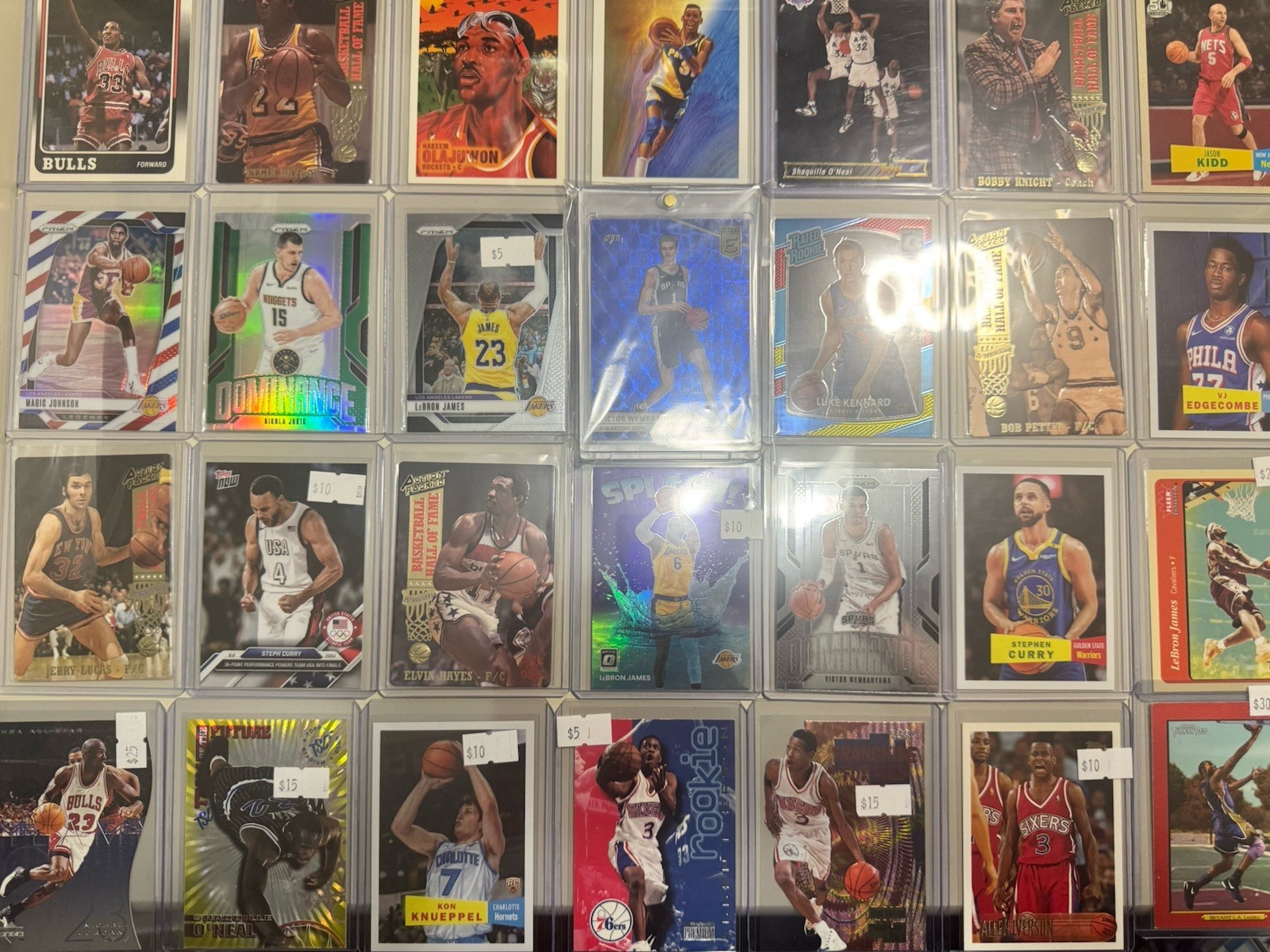
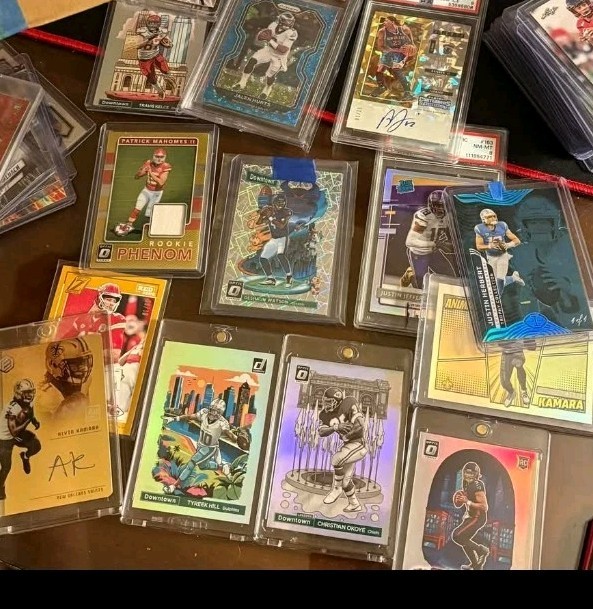


eBay links are affiliate links: JunkPal may earn a commission at no cost to you.
Resale values related to error card
Shop error card on eBay ↗![Kabutops [Tekno] #141](/api/images/junkpal-products/cards/kabutops-tekno-141-pokemon-2000-topps-chrome-card/img0/thumb.webp)
![Zapdos [Sparkle] #145](/api/images/junkpal-products/cards/zapdos-sparkle-145-pokemon-2000-topps-chrome-card/img0/thumb.webp)



JunkPal may earn a commission when you buy through eBay links, at no extra cost to you.
What’s worth the most
Ranked on medians of real closed eBay sales, not asking prices.