What does “energy cost” mean?
What it means
Energy cost, in trading card collecting, is not a literal resource drain but a proxy for scarcity, strategic importance, and perceived difficulty of acquisition. It quantifies the inherent value derived from a card's rarity tier, its functional necessity within competitive play (meta relevance), or the production difficulty of the specific print run. Mainstream equivalent: Intrinsic market valuation driven by utility. A high energy cost card is one that is either extremely hard to pull, or one that is currently indispensable for high-level gameplay.
What it does to price
High energy cost directly correlates with price inflation. Cards deemed "essential" or "chase" items can see price multipliers of 5x to 20x compared to base-level commons, depending on the game's current meta saturation. A common card might sell for $1-$3. A high-energy-cost staple card in a popular deck might easily command $50-$150+ for a near-mint copy. Factors pushing the price up include consistent tournament viability and low supply. Factors pushing it down include game format shifts that render the card obsolete.
How to spot it
Spotting energy cost requires analyzing the card's function and print characteristics. Functionally, look for cards that are frequently referenced in top-tier deck lists or guides. Physically, look for rarity symbols (e.g., Secret Rare, Gold Border) and specific set inclusions that denote limited production runs. When inspecting a potential purchase, request high-resolution images of the card's edges and the holographic/foil application. Be wary of "re-prints" or "promo variants" that mimic high-cost cards but lack the official rarity markers, as these are common counterfeits.
Buying smart
Paying a premium for high energy cost is justified when the card is a proven, durable staple in the current competitive meta, and the seller provides verifiable condition proof. This premium is unwarranted if the card is niche, only relevant to a dying format, or if the asking price exceeds 1.5 times the average price of a comparable, lower-tier alternative. A fair deal involves the asking price being within 10-20% of the established secondary market average for that card's specific condition.
Selling smart
To maximize return, listings must explicitly address the card's high energy cost. Instead of just listing the card name, the description must state its meta relevance (e.g., "Tier 1 Staple," "Format Defining Piece"). The single most effective addition is a photo showing the card being used in a competitive deck or a clear shot of the rarity/foil effect. This shifts the buyer's perception from "collectible piece" to "functional asset," allowing the seller to command the premium associated with its strategic value.
On eBay right now
Current asking prices from live listings — not sold-comp medians.


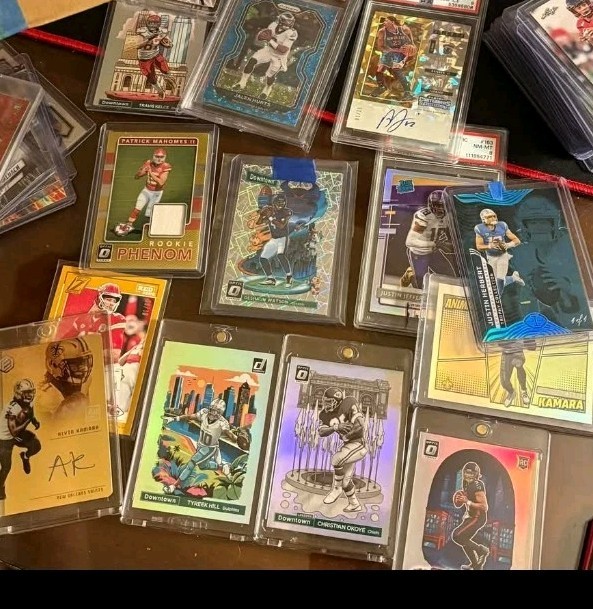

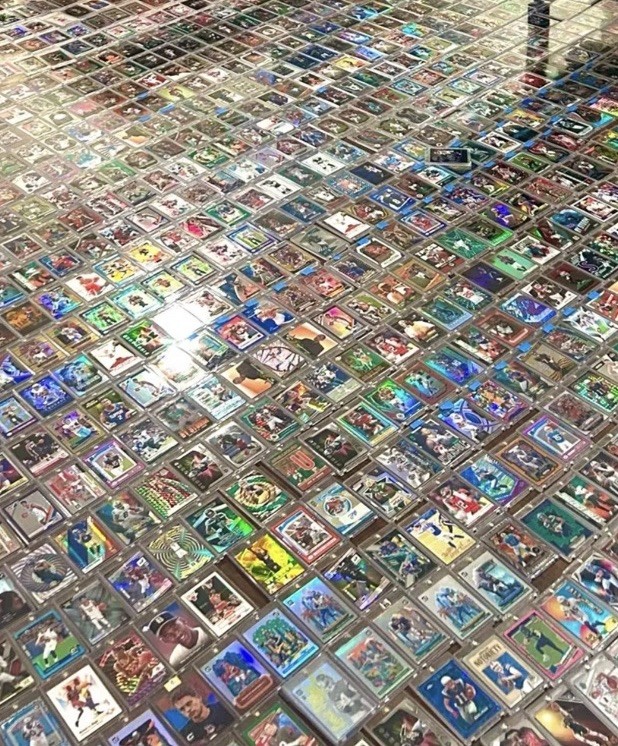

eBay links are affiliate links: JunkPal may earn a commission at no cost to you.
Resale values related to energy cost
Shop energy cost on eBay ↗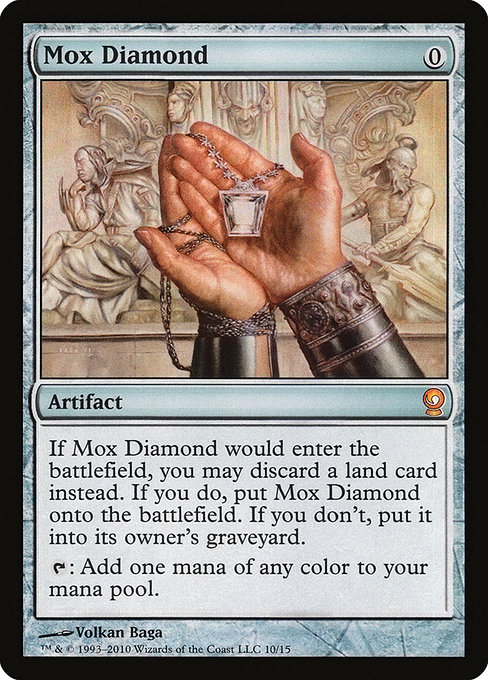
![Zapdos [Tekno] #145](/api/images/junkpal-products/cards/zapdos-tekno-145-pokemon-2000-topps-chrome-card/img0/thumb.webp)
![Charizard [Reverse Holo] #3](/api/images/junkpal-products/cards/charizard-reverse-holo-3-pokemon-legendary-collection-card/img0/thumb.webp)
![Charizard [Tekno] #6](/api/images/junkpal-products/cards/charizard-tekno-6-pokemon-2000-topps-chrome-card/img0/thumb.webp)

![Articuno [Sparkle] #144](/api/images/junkpal-products/cards/articuno-sparkle-144-pokemon-2000-topps-chrome-card/img0/thumb.webp)
JunkPal may earn a commission when you buy through eBay links, at no extra cost to you.
What’s worth the most
Ranked on medians of real closed eBay sales, not asking prices.