What does “edition” mean?
What it means
An edition designates a specific manufacturing run or release variant of a trading card set. This is distinct from the set name itself. Variations within an edition can involve changes to the card's artwork, the paper stock used, or the inclusion of specific parallel treatments (e.g., Gold, Refractor, or numbered parallels). A base set edition is the standard, mass-produced release. A special edition refers to a limited run, often tied to a promotion, specific retailer, or an early/late print run. In collecting terms, scarcity is the primary driver of edition value.
What it does to price
Edition status directly dictates market value. A standard base edition card will hold a baseline value. A verifiable, low-numbered parallel within a limited edition can multiply the value by 5x to 20x or more, depending on the card's inherent desirability. A common card from a highly sought-after, small-run promotional edition might fetch $15–$30, whereas the same card from a standard release might be worth $1–$3. Conversely, an overproduced or poorly executed special edition can depress value, sometimes making it worth less than the standard release.
How to spot it
Edition markers are found in several places. Check the card back for specific print runs or set identifiers. Parallels are often indicated by a specific symbol or numbering sequence (e.g., /10, /50). Special promotional editions often have unique card borders, holographic overlays, or specific logos printed on the card face or edges that are absent from the base set. Sellers should provide high-resolution photos of the card's edges and back, not just the front, to confirm the edition status. Misidentifying a standard parallel as a rare insert is a common honest mistake.
Buying smart
Paying a premium for an edition is justified when the scarcity is provable and the card is otherwise high-grade (PSA 9 or higher). If the edition is a low-numbered parallel of a top-tier player, the premium is necessary. Paying a high premium for a common card from a minor promotional run is rarely worth it unless the card itself is highly sought after. A fair deal involves the asking price being within 15–25% of the established market value for that specific edition/parallel combination.
Selling smart
Proving the edition status in a listing immediately qualifies the card for a higher price tier. Simply stating "Limited Edition" is weak; specifying the exact variant (e.g., "2023 Set, Gold Parallel /50") is mandatory. The single most valuable piece of evidence for a listing is a clear, close-up photo of the card's numbering or unique border feature. This documentation shifts the listing from a general sale to a specialized, high-value offering, justifying the maximum possible premium.
On eBay right now
Current asking prices from live listings — not sold-comp medians.


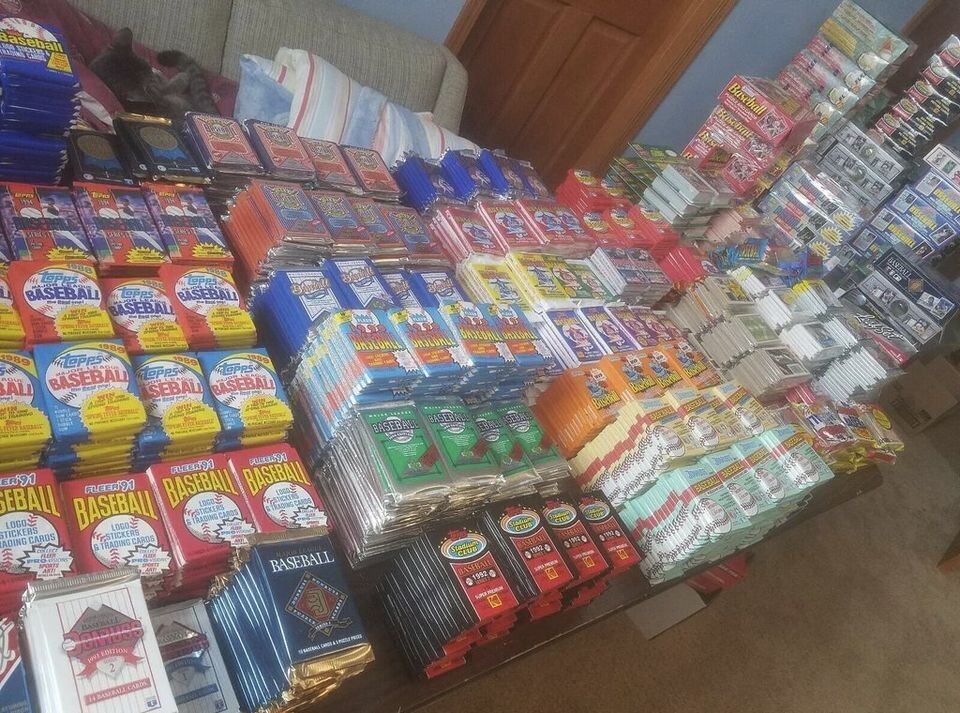


eBay links are affiliate links: JunkPal may earn a commission at no cost to you.
Resale values related to edition
Shop edition on eBay ↗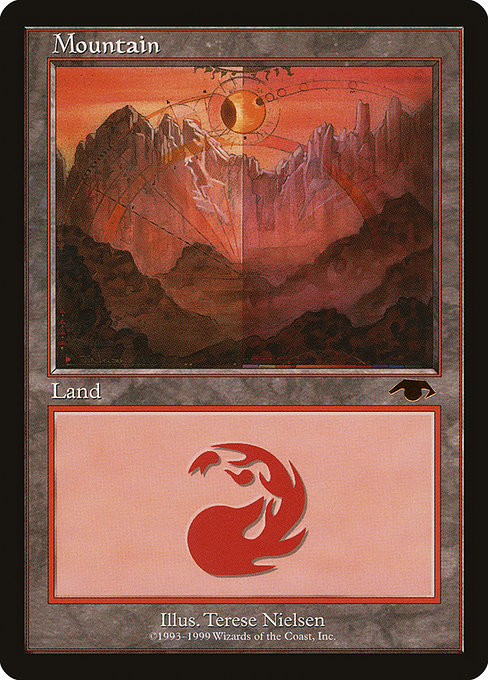
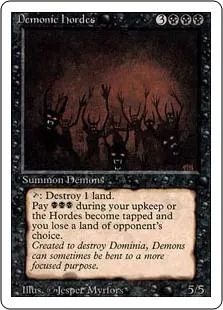


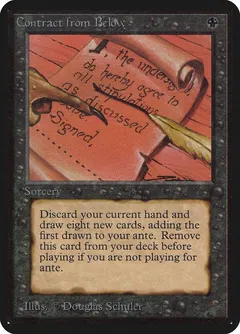

![Island [Alt Art]](/api/images/junkpal-products/cards/island-alt-art-magic-summer-edition-card/img0/thumb.webp)
JunkPal may earn a commission when you buy through eBay links, at no extra cost to you.
What’s worth the most
Ranked on medians of real closed eBay sales, not asking prices.