What does “edge wear” mean?
What it means
Edge wear is physical degradation occurring along the four borders of a trading card. This damage includes, but is not limited to, nicks (small chips or indentations), rounding (softening of sharp corners), and fraying (minor fiber loss along the edge). In the grading industry, this is a primary determinant of the card's overall condition score. A card with perfect, sharp edges is classified at the highest tiers (e.g., PSA 10, BGS 9.5). Any visible wear, even microscopic, forces a downgrade. The mainstream equivalent is general "edge condition."
What it does to price
Edge wear creates a direct, inverse correlation with market value. A card in pristine, sharp-edge condition can command a premium of 2x to 5x the price of the exact same card exhibiting noticeable edge wear. For a mid-tier, high-demand card, a difference between a "Near Mint" (NM) and "Excellent" (EX) grade, often dictated by edge quality, can translate to a $50 to $200 difference in retail value. Minor, localized fraying might drop a card from a high-end price bracket into the mid-range, while severe corner dings can render a card a low-grade, low-value asset.
How to spot it
Inspection requires magnification, ideally 10x or higher. Look for consistent damage patterns versus isolated incidents. Corner rounding is common; nicks are sharp, distinct points of damage. Fraying appears as subtle, fuzzy texture along the border. Sellers must provide high-resolution photos focused specifically on all four corners and along the longest edges. A common mistake is confusing minor handling scuffs (surface wear) with structural edge damage (nicks/fraying). Fakes are rare in this category, but poor photography is the biggest red flag for misrepresenting condition.
Buying smart
Paying a significant premium for perfect edge condition is justified only when the card is a blue-chip asset—a chase card with massive market liquidity (e.g., top rookie cards). If the card is a lower-tier pull or a speculative investment, the price difference between NM and EX may not justify the risk. A fair deal involves a price that reflects the *actual* condition shown in high-resolution images. If the seller claims "Mint" but the photos show even slight rounding, the price should be discounted by at least 15-25% to account for the inevitable grade drop.
Selling smart
When listing, condition documentation is paramount. Do not simply state "Near Mint." Specify the edge condition: "Sharp edges, minimal corner rounding" or "Light edge wear present." If the card is professionally graded, the grade itself is the primary selling point, and edge wear is already quantified by the grading company. If selling raw, the single most valuable photo is a macro shot focused on the four corners, clearly displaying the sharpness (or lack thereof) of the edges. This transparency builds buyer trust and prevents disputes over condition grading.
On eBay right now
Current asking prices from live listings — not sold-comp medians.

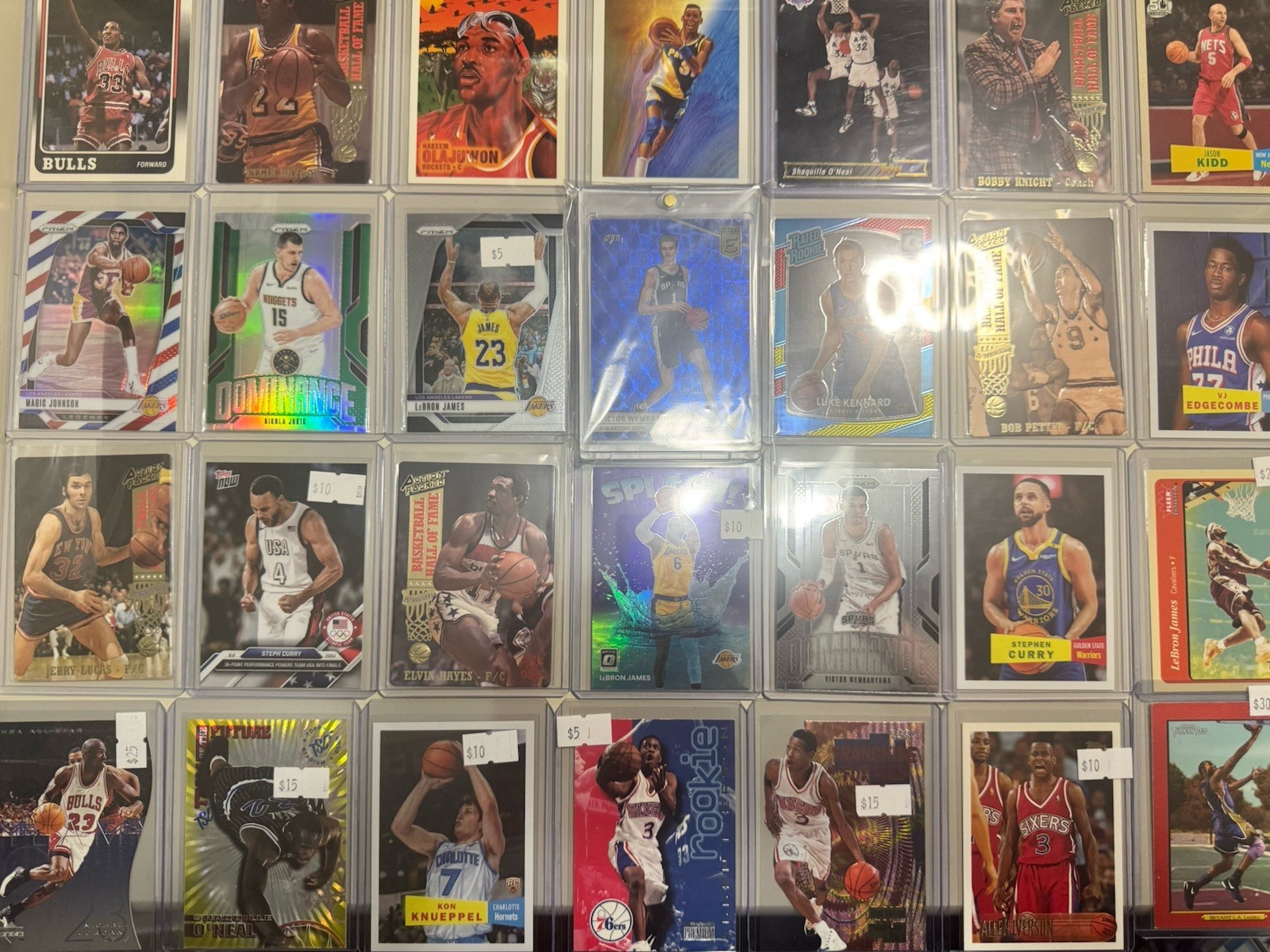
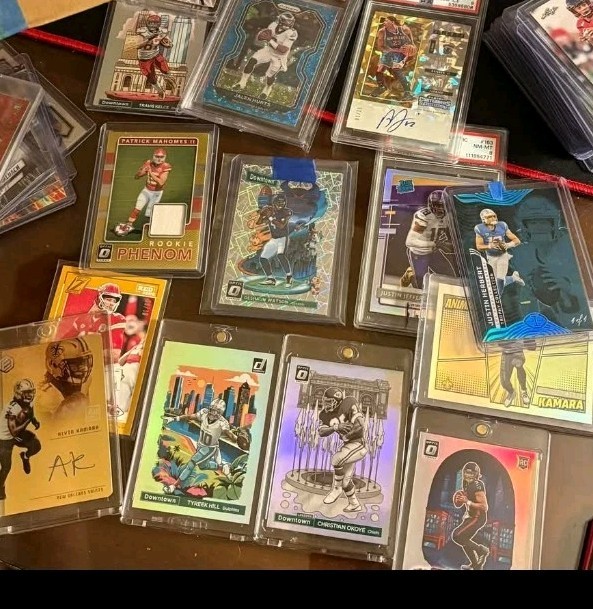

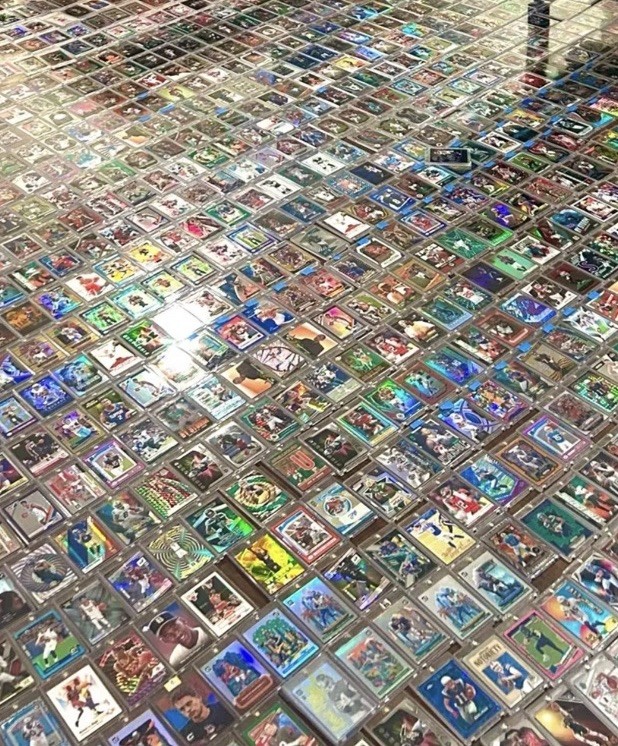

eBay links are affiliate links: JunkPal may earn a commission at no cost to you.
Resale values related to edge wear
Shop edge wear on eBay ↗


![Kabutops [Tekno] #141](/api/images/junkpal-products/cards/kabutops-tekno-141-pokemon-2000-topps-chrome-card/img0/thumb.webp)
![Zapdos [Sparkle] #145](/api/images/junkpal-products/cards/zapdos-sparkle-145-pokemon-2000-topps-chrome-card/img0/thumb.webp)

JunkPal may earn a commission when you buy through eBay links, at no extra cost to you.
What’s worth the most
Ranked on medians of real closed eBay sales, not asking prices.