What does “distributor” mean?
What it means
A distributor is the intermediary company authorized by the card manufacturer to move sealed product from the factory to licensed retailers. This is the official supply chain. In the trading card niche, this refers to product that has passed through legitimate, verifiable channels, distinguishing it from grey market imports or unofficial bulk sourcing. The mainstream equivalent is the wholesale supplier. For collectors, the distributor verifies the product's initial point of entry into the market, establishing a baseline for authenticity.
What it does to price
Provenance via an official distributor adds a layer of risk reduction, which translates to a premium. For high-end, scarce sealed product (e.g., first-run booster boxes), verifiable distributor sourcing can command a 10% to 25% premium over unverified sealed stock, assuming the condition is identical. If a highly sought-after, limited-run product is sold directly through a known distributor’s secondary channel, the price floor is higher. Conversely, if a seller claims distributor status but cannot provide any paper trail, the price should be discounted by at least 15% to account for verification risk.
How to spot it
Spotting official distribution is rarely about a physical mark on the card itself, but rather on the packaging or accompanying paperwork. Look for official distributor stickers, invoices, or lot numbers that trace back to the manufacturer's distribution agreements. Common mistakes include resellers mislabeling grey market imports as "official distribution." A telltale sign of an unofficial source is packaging that lacks standard regional barcodes or has slightly inconsistent print quality compared to known legitimate stock. Always request high-resolution photos of the outer packaging seals and any accompanying paperwork.
Buying smart
Paying a premium for distributor-sourced sealed product is justified when the item is extremely rare, highly valuable, or if the buyer requires absolute assurance of authenticity for investment purposes. If the item is common or mid-tier, the premium often outweighs the risk reduction. A fair deal involves a price that is within the established secondary market rate for that item, plus a modest 5-10% surcharge specifically for the verifiable provenance documentation. If the premium exceeds 25% without robust proof, the risk is too high.
Selling smart
When selling sealed product, explicitly stating "Official Distributor Sourced" in the listing title or description immediately elevates the perceived value. This claim justifies a higher asking price, often allowing for the 10-25% premium mentioned earlier. The single most effective element to earn this premium is a photograph of the original, dated invoice or a shipping manifest that clearly shows the item moving from a recognized distributor entity. This documentation transforms the listing from a simple sale to a verified provenance transaction.
On eBay right now
Current asking prices from live listings — not sold-comp medians.


eBay links are affiliate links: JunkPal may earn a commission at no cost to you.
Resale values related to distributor
Shop distributor on eBay ↗


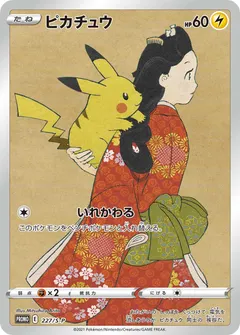
![Zapdos [Tekno] #145](/api/images/junkpal-products/cards/zapdos-tekno-145-pokemon-2000-topps-chrome-card/img0/thumb.webp)
![Charizard [Reverse Holo] #3](/api/images/junkpal-products/cards/charizard-reverse-holo-3-pokemon-legendary-collection-card/img0/thumb.webp)

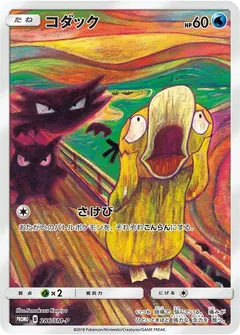
JunkPal may earn a commission when you buy through eBay links, at no extra cost to you.
What’s worth the most
Ranked on medians of real closed eBay sales, not asking prices.