What does “dinged corner” mean?
What it means
A dinged corner is physical damage to the four edges of a trading card. This damage includes bends, creases, small dents, or chips along the perimeter. In grading terminology, this falls under "edge wear" or "corner wear." Unlike surface scratches (which are face damage), corner dings are structural flaws affecting the card's integrity. A minor ding is a slight deformation; a severe ding involves a noticeable break or sharp crease that compromises the card's flatness. This is not merely cosmetic; it is a quantifiable defect that lowers the card's numerical grade (e.g., dropping a card from a Near Mint 9 to a Lightly Played 7).
What it does to price
The impact on price is directly proportional to the severity and the card's base value. For common, low-value cards, a ding might only reduce the price by 10-20% compared to a perfect copy. For high-value, graded chase cards, the effect is more drastic. A card that would otherwise command a $500 premium in Near Mint condition might see its value drop by 30-50% if it has a noticeable corner ding that prevents a high-grade slab. Conversely, if a card is already heavily damaged, a minor ding might not change the price much because the damage is already factored in. A $100 card with a minor ding might sell for $75-$85 loose.
How to spot it
Inspection requires holding the card under direct, bright light, preferably against a neutral background. Look closely at all four corners, not just the ones visible in the main photo. A common mistake by sellers is photographing only the center of the card. Buyers must request high-resolution photos specifically of all four corners. Fakes or oversights sometimes involve slightly rounded corners that are not true wear but manufacturing inconsistencies, but true dings show evidence of impact or folding. If the card feels slightly thicker or uneven at the corner, it is likely dinged.
Buying smart
Paying a premium for a dinged corner is only justifiable if the card is otherwise flawless and the ding is microscopically small, affecting only the absolute highest grade tiers (e.g., buying a 9.5 when a 10 is available, but the 10 is severely damaged elsewhere). Generally, if a card is worth over $100, a visible ding warrants significant price negotiation. A fair deal for a high-value card with a clear ding is usually 15-25% below the established "Pristine" market price. If the ding is severe, the card should be purchased for significantly less, treating it as a lower-grade item.
Selling smart
When listing, transparency regarding corner condition is mandatory. Do not hide dings. If the card is ungraded, use precise language: "Minor corner ding on bottom right" rather than "Lightly worn." If the ding is minor, photograph it clearly, perhaps with an arrow pointing to the defect, and list the condition accurately (e.g., "Near Mint with minor corner wear"). This prevents returns and disputes. Buyers pay a premium for condition assurance; by proactively disclosing the ding, the seller earns trust and avoids the penalty of a buyer claiming misrepresentation.
On eBay right now
Current asking prices from live listings — not sold-comp medians.


eBay links are affiliate links: JunkPal may earn a commission at no cost to you.
Resale values related to dinged corner
Shop dinged corner on eBay ↗


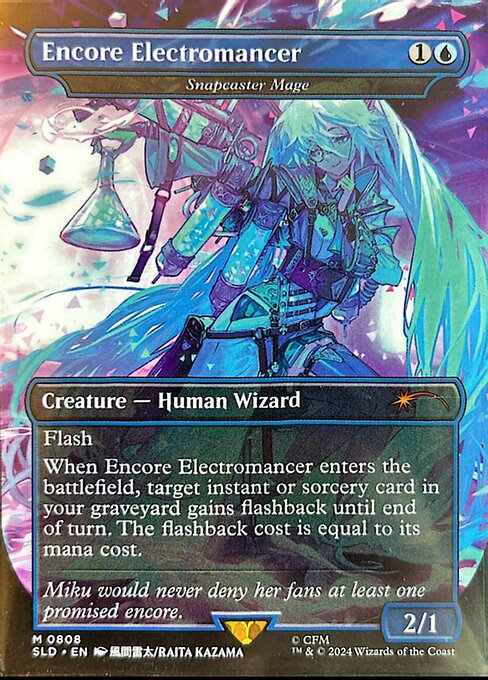

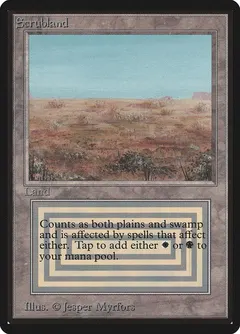

JunkPal may earn a commission when you buy through eBay links, at no extra cost to you.
What’s worth the most
Ranked on medians of real closed eBay sales, not asking prices.