What does “die cut” mean?
What it means
A die cut is a trading card where the perimeter has been custom-cut into a shape other than a standard rectangle or square. This shaping is deliberate, often following the outline of the character or logo featured on the card. It is not a simple trim; it requires specialized cutting machinery. In the mainstream collecting world, this is equivalent to "shaped card" or "custom trim." The function of the die cut is aesthetic, transforming the card from a mass-produced item into a display piece.
What it does to price
Die cuts generally command a premium over standard versions, provided the cut is clean and the card is otherwise in high condition. A standard, mint condition card might sell for $10. A die-cut version of the same card, assuming the cut is well-executed and the card is graded or near-mint, can typically fetch 1.8x to 3x that price. Factors that increase value include complex, accurate cuts and limited edition status. Factors that decrease value include chips or nicks along the custom edge, which can drop the value by 20-40%.
How to spot it
The primary tell is the edge profile. A standard card has four straight, 90-degree corners. A die cut will have curves, pointed sections, or irregular edges matching the artwork. Look for evidence of the cutting process—a perfectly smooth, consistent edge indicates professional production. Common errors include "chatter marks," where the cutting machine vibrates, leaving tiny, uneven striations along the cut line. Sellers should provide high-resolution photos focused specifically on the perimeter edge from multiple angles. Fakes usually have a slightly dull or uneven cut compared to the sharp, clean lines of legitimate production runs.
Buying smart
Paying a premium for a die cut is justified when the card is part of a known, limited, or highly sought-after set, and the cut itself is flawless. If the die cut is minor—a slight curve on a standard-issue card—the price increase is unlikely to justify the risk. A fair deal involves the premium price being less than 40% higher than the standard version's market value for the same card, assuming comparable condition. If the premium is excessive, the buyer risks paying for novelty rather than collectible quality.
Selling smart
To maximize return, the listing must explicitly state "Die Cut" and provide close-up photographs of the cut edge. Do not just list it as a "special edition" if the cut is the defining feature. The single most effective element in a listing is a macro shot of the perimeter, showing the sharpness of the cut against the card stock. Using the term "Precision Die Cut" signals quality to serious buyers, allowing for the higher price bracket. Avoid vague descriptions; specificity drives perceived value.
On eBay right now
Current asking prices from live listings — not sold-comp medians.

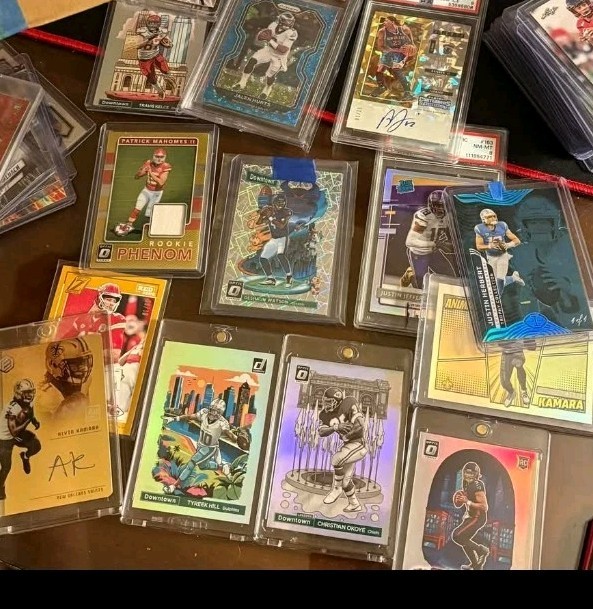


eBay links are affiliate links: JunkPal may earn a commission at no cost to you.
Resale values related to die cut
Shop die cut on eBay ↗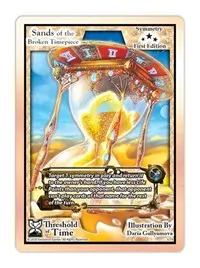
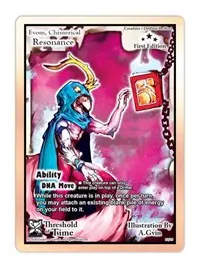




JunkPal may earn a commission when you buy through eBay links, at no extra cost to you.
What’s worth the most
Ranked on medians of real closed eBay sales, not asking prices.