What does “dent” mean?
What it means
A dent is any physical deformation on a trading card surface. This includes creases, scuffs, dings, or indentations that break the card's plane. In grading terms, this falls under surface wear or structural damage. It is not merely a smudge or print variation; it is a permanent physical alteration to the card stock itself. A minor surface ding is distinct from a deep crease that compromises the card's structural integrity or corner alignment. Collectors and grading companies penalize these imperfections severely because they detract from the card's perceived "mint" quality.
What it does to price
The impact of a dent is inversely proportional to the card's base value. For common, low-value cards, a dent might reduce the price by 10-20% compared to a perfect copy. For high-grade, scarce, or graded cards (PSA 10/BGS 9.5 and above), even a minor, unlisted dent can cause a catastrophic drop in value, often resulting in a downgrade or a 30-50% reduction in market price versus a flawless copy. For example, a highly sought-after rookie card with a noticeable crease might sell for $150 loose, whereas the same card in pristine condition could command $350.
How to spot it
Dents are visible under direct, bright light, especially when the card is held against a light source. Look for shadows cast by the imperfection. Examine the edges and corners closely, as dents often start there. Sellers should provide high-resolution, close-up photos of the entire front and back, specifically asking them to illuminate the card surface. A common mistake is confusing a minor print variation or a factory edge imperfection with a true dent. Genuine dents are physical depressions in the card stock, not ink bleed or surface scratches.
Buying smart
Paying a premium for a dented card is only justifiable if the card is extremely rare, and the dent is minimal—a hairline ding barely visible under scrutiny. If the card is a mid-tier collectible, the risk of a significant price drop outweighs the potential gain. A fair deal for a dented card is one where the asking price reflects the expected downgrade. If a seller lists a dented card at the price of a perfect copy, the deal is inflated. A reasonable discount for a visible, non-structural dent is typically 20-35% off the graded market average.
Selling smart
Transparency regarding dents is non-negotiable. Hiding or downplaying a dent leads to returns, negative feedback, and damaged reputation. Listing the imperfection clearly—e.g., "Minor surface ding on upper left corner"—manages buyer expectations and prevents disputes. The single most effective action is providing a dedicated, well-lit macro photograph of the specific dent. This photo acts as proof of condition, allowing the buyer to self-assess the damage and accept the corresponding reduced price, thereby securing a faster, more reliable sale.
On eBay right now
Current asking prices from live listings — not sold-comp medians.

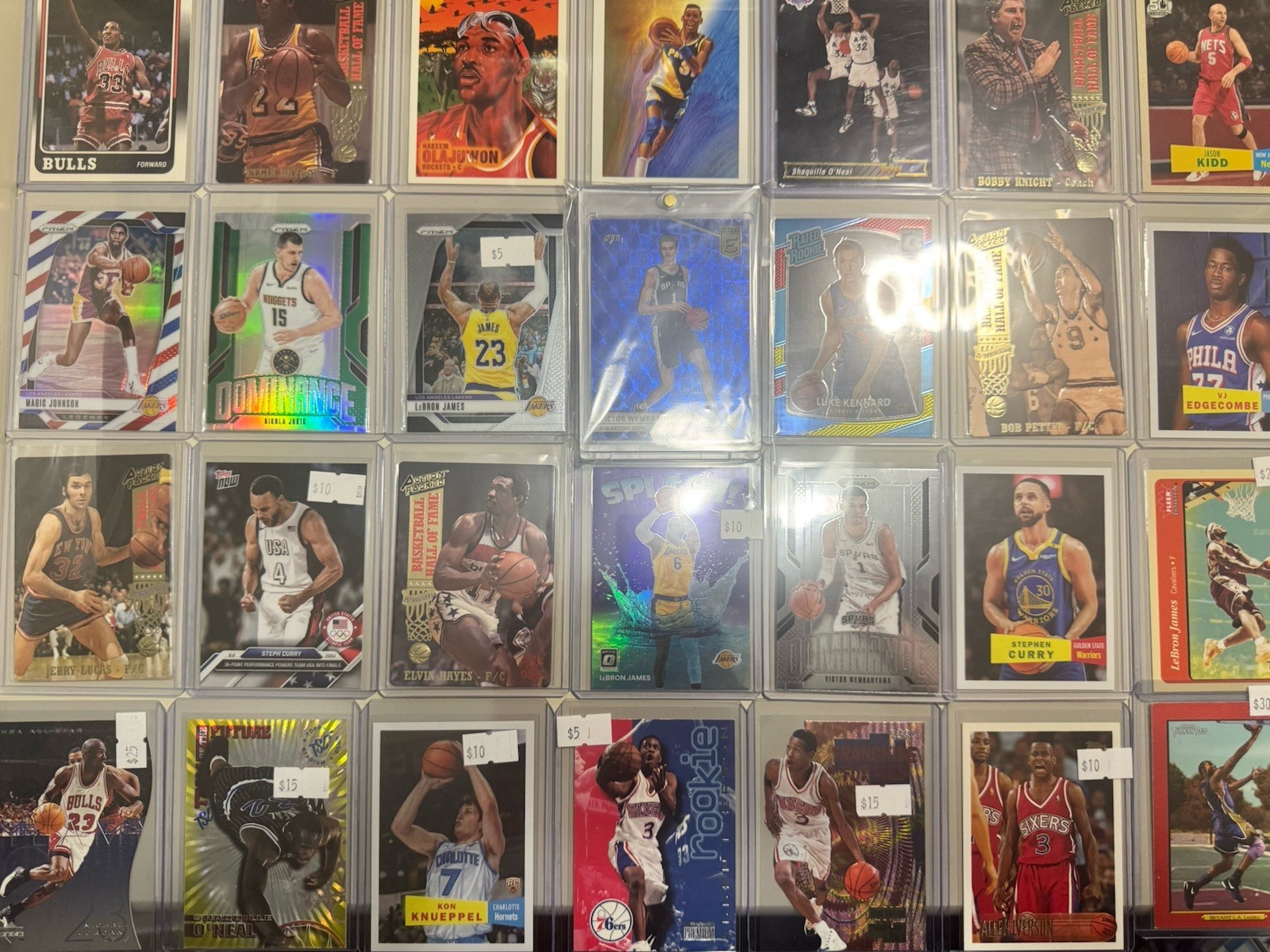
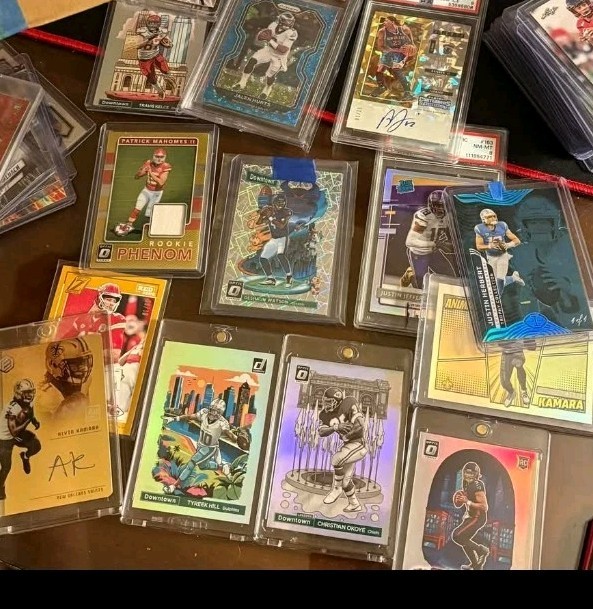


eBay links are affiliate links: JunkPal may earn a commission at no cost to you.
Resale values related to dent
Shop dent on eBay ↗

![Charizard [Box Topper] #S1](/api/images/junkpal-products/cards/charizard-box-topper-s1-pokemon-legendary-collection-card/img0/thumb.webp)


![Eevee [Sparkle] #133](/api/images/junkpal-products/cards/eevee-sparkle-133-pokemon-2000-topps-chrome-card/img0/thumb.webp)


JunkPal may earn a commission when you buy through eBay links, at no extra cost to you.
What’s worth the most
Ranked on medians of real closed eBay sales, not asking prices.