What does “demand curve” mean?
What it means
The demand curve in trading cards maps how many buyers want a specific card at different prices. It is an economic model, equivalent to the standard concept of market demand. In this niche, it measures price sensitivity. A steep curve means buyers abandon the card quickly if the price rises slightly; the card is elastic. A flat curve means buyers will pay more without significantly reducing their purchase quantity; the card is inelastic. This concept dictates pricing power.
What it does to price
Inelastic demand allows for higher pricing power. For a highly desirable, low-print-run chase card (inelastic), a $100 card might sustain a $150 listing price with steady sales. Conversely, a common, easily replaceable card (elastic) might see its sales volume drop by 50% if the price moves from $10 to $15. Factors driving inelastic demand include scarcity (low population reports) and utility (key set inclusion). A sudden, high-profile card release can shift the entire curve upward instantly.
How to spot it
Spotting demand elasticity requires looking beyond the card itself. Check recent auction results for the specific card or its direct parallels (e.g., same set, same rarity). Look for consistency: if the card sells for $X at three different price points over six months, demand is stable. If the price jumps $50 in one week and then stalls, the demand is volatile, indicating sensitivity. Examine print variations; a specific, rare printing error often creates an inelastic pocket of demand.
Buying smart
Paying a premium is justified when the demand curve is demonstrably inelastic. This applies to cards with verifiable scarcity (low graded population) or those tied to major, recurring events (e.g., a championship rookie). If a card is priced significantly above recent comparable sales without a clear, verifiable scarcity driver, the curve is likely elastic, and the premium is speculative. A fair deal reflects the *recent* average transaction price, not the *highest* outlier bid.
Selling smart
Proving inelastic demand in a listing translates directly to higher bids. This is achieved by providing verifiable proof of scarcity or condition. The single most effective element is a high-resolution image clearly showing the card's centering and corners, ideally alongside a population report screenshot if available. Stating "Verified Low Population" or "Error Print Confirmed" shifts the perceived demand from general interest to targeted collector need, justifying a higher price point.
On eBay right now
Current asking prices from live listings — not sold-comp medians.

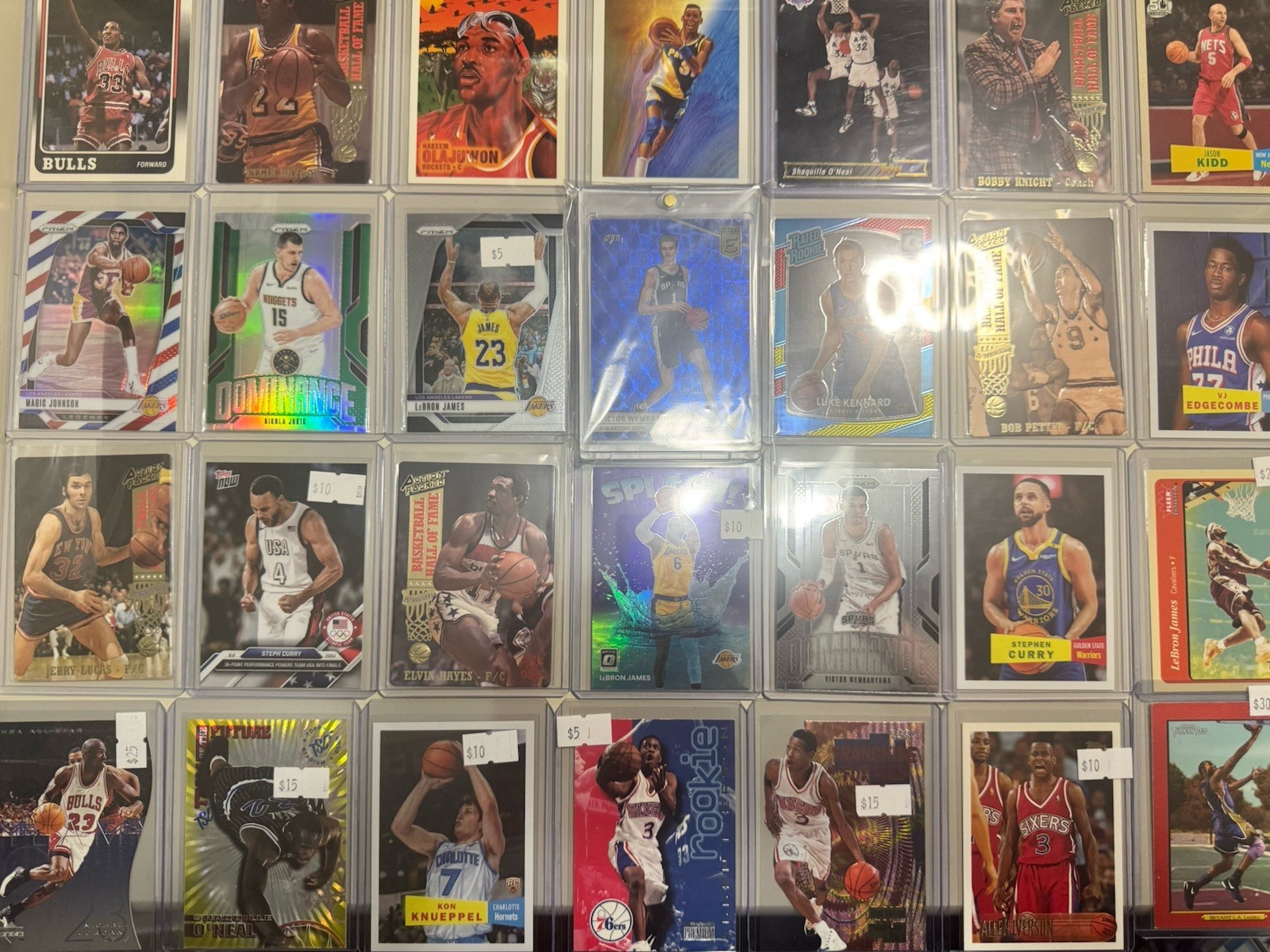
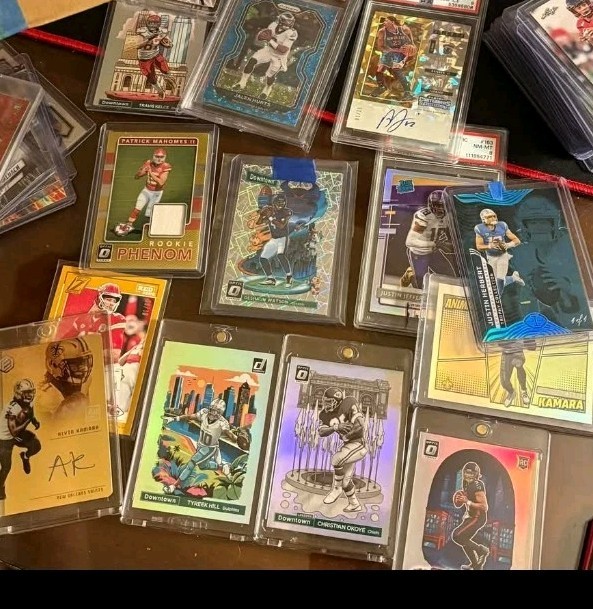



eBay links are affiliate links: JunkPal may earn a commission at no cost to you.
Resale values related to demand curve
Shop demand curve on eBay ↗![Voltorb [Tekno] #100](/api/images/junkpal-products/cards/voltorb-tekno-100-pokemon-2000-topps-chrome-card/img0/thumb.webp)






JunkPal may earn a commission when you buy through eBay links, at no extra cost to you.
What’s worth the most
Ranked on medians of real closed eBay sales, not asking prices.