What does “deluxe” mean?
What it means
"Deluxe" in trading cards denotes a premium release tier above the standard edition. It is not merely a marketing term; it signifies tangible differences in production. These differences usually manifest as upgraded packaging (e.g., slipcases, magnetic closures, collector boxes), enhanced card stock, special printing techniques (e.g., holographic overlays, spot UV coating, metallic foils), or the inclusion of unique extras like art cards or memorabilia. The mainstream equivalent is "premium edition." The designation signals a deliberate scarcity intended to appeal to higher-end collectors.
What it does to price
The "deluxe" designation acts as a direct price multiplier. For a comparable, standard-issue card, a deluxe version can command a 1.3x to 3x price premium, depending on the rarity of the specific deluxe variant. If a standard card sells loose for $10, the deluxe version might start at $13 and reach $30 or more. Factors that push the price up include limited print runs and verifiable scarcity. Factors that drag the price down are poor condition of the packaging or if the "deluxe" designation is merely applied to a minor, non-collectible variant.
How to spot it
Identification requires close inspection of the product, not just the card itself. Look for specific edition numbering or stamps on the outer packaging. Deluxe sets often feature unique SKU numbers distinct from the base set. When examining the card, check for specific foil patterns or texture variations not present on standard versions. Sellers must provide high-resolution photos of the packaging seals and any accompanying inserts. A common error is confusing a promotional "special pull" card with a true, numbered deluxe set inclusion; these are different categories.
Buying smart
Paying the premium for a deluxe item is justified when the enhanced presentation directly contributes to the card's long-term collectibility or display value. If the packaging is art-grade and sealed, the investment holds better. It is not worth the premium if the "deluxe" status only means a slightly thicker cardboard backing on a standard card. A fair deal requires the listed price to correlate with the known scarcity of the specific deluxe variant, not just the general term. If the price is 5x the standard release without corresponding scarcity proof, it is likely inflated.
Selling smart
Listing must explicitly name the deluxe variant (e.g., "Deluxe Gold Foil Edition," not just "Deluxe"). This specificity filters out casual buyers and attracts serious collectors willing to pay the premium. The single most valuable asset in the listing photos is a clear, uncropped image of the *exterior packaging*, showing any official seals, numbering, or unique branding that confirms its deluxe status. Using the exact edition name in the title is the most direct way to earn the expected price bump.
On eBay right now
Current asking prices from live listings — not sold-comp medians.

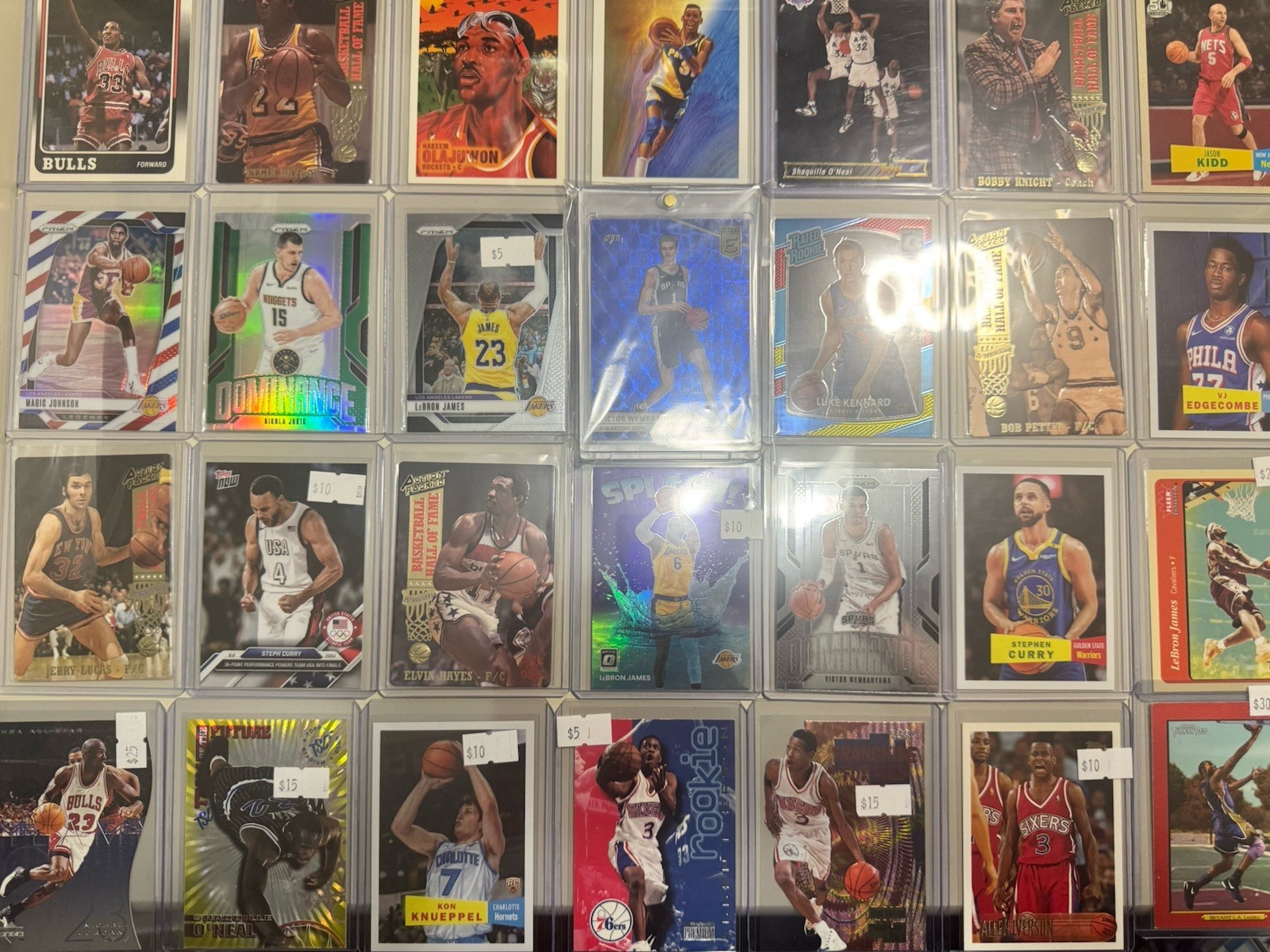
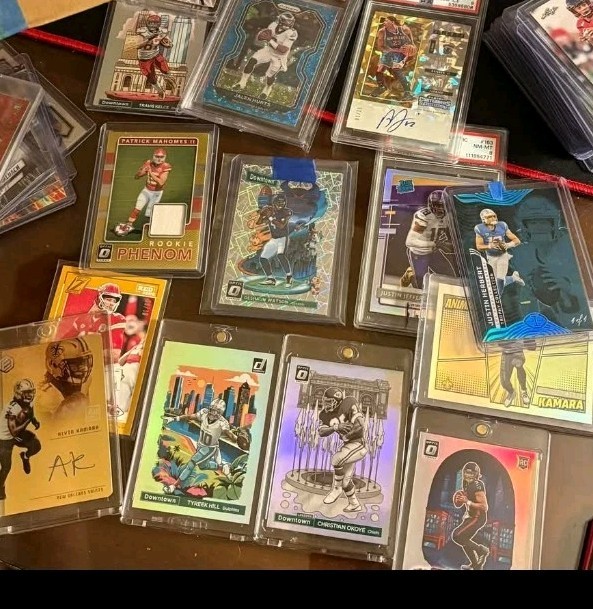

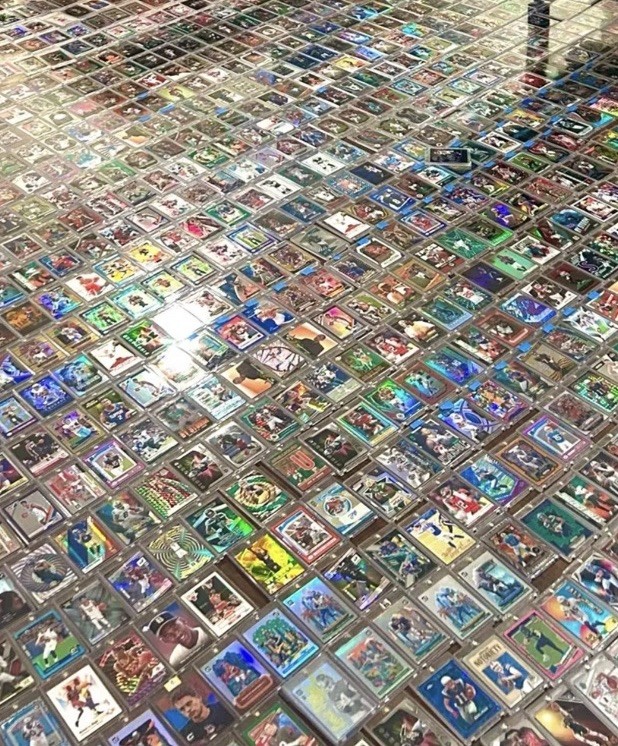

eBay links are affiliate links: JunkPal may earn a commission at no cost to you.
Resale values related to deluxe
Shop deluxe on eBay ↗

![Rhydon [Tekno] #112](/api/images/junkpal-products/cards/rhydon-tekno-112-pokemon-2000-topps-chrome-card/img0/thumb.webp)




JunkPal may earn a commission when you buy through eBay links, at no extra cost to you.
What’s worth the most
Ranked on medians of real closed eBay sales, not asking prices.