What does “defense value” mean?
What it means
Defense value is the quantifiable in-game utility of a card within a specific trading card game (TCG) meta. It measures a card's functional strength—its ability to stop, mitigate, or counter opponent actions—rather than its scarcity or physical grade. In TCG terms, this is often referred to as "power level" or "meta relevance." A card with high defense value is a reliable, functional piece of the game, regardless of whether it is a common print. Its value is derived from its performance, not its rarity.
What it does to price
High defense value acts as a consistent demand floor. Cards essential to current competitive strategies maintain higher floor prices because active players require them for tournament viability. A card with high defense value might see its loose market price hold steady or increase by 20-40% year-over-year, even if its print run was large. Conversely, a card with negligible defense value is purely a completionist item and its price is dictated by set completion, often fluctuating wildly based on market sentiment rather than gameplay. For example, a highly contested defensive staple might sell for $40 loose, whereas a functionally useless card from the same set might sell for $2.
How to spot it
Defense value is determined by card text and official rulings, not physical attributes. To assess it, review the card's abilities against current competitive decks. Look for keywords or effects that explicitly counter common aggressive strategies (e.g., "cannot be targeted," "reduces incoming damage by X"). There are no edition markers that denote defense value; it is purely functional. Sellers must provide high-resolution scans of the card text box so buyers can verify the exact wording of the ability.
Buying smart
Paying a premium for defense value is justified when the card is demonstrably central to the current competitive meta. If tournament results show a specific archetype dominating, and this card is a key component of that archetype, the premium is warranted. It is not worth the premium if the card is niche, only useful in one or two obscure strategies, or if the meta has recently shifted away from its function. A fair deal reflects the card's proven, current competitive viability relative to its print run.
Selling smart
Listing a card with high defense value requires framing the description around its utility, not just its condition. Use terminology like "Meta Staple," "Essential Counter," or "High-Tier Defensive Piece." The single most effective element in a listing is a photo clearly showing the card text and the game's current competitive environment (e.g., a screenshot of a recent tournament report showing the card being used). This shifts the buyer’s perception from "collectible" to "investment/tool," justifying a higher price point.
On eBay right now
Current asking prices from live listings — not sold-comp medians.


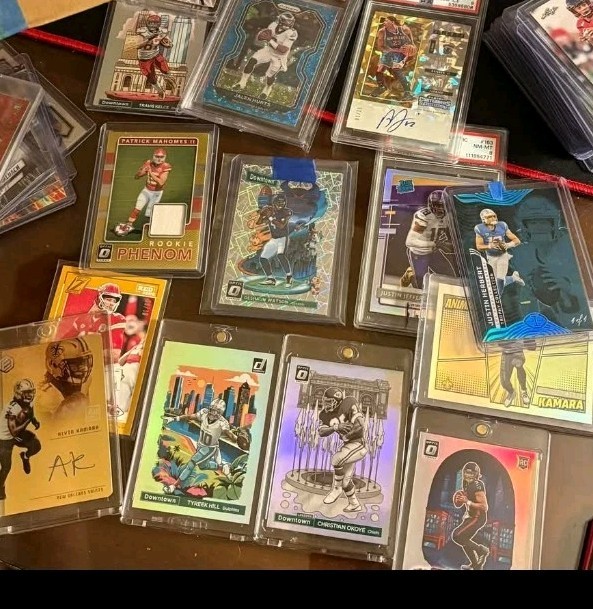



eBay links are affiliate links: JunkPal may earn a commission at no cost to you.
Resale values related to defense value
Shop defense value on eBay ↗![Vaporeon [Sparkle] #134](/api/images/junkpal-products/cards/vaporeon-sparkle-134-pokemon-2000-topps-chrome-card/img0/thumb.webp)
![Flareon [Tekno] #136](/api/images/junkpal-products/cards/flareon-tekno-136-pokemon-2000-topps-chrome-card/img0/thumb.webp)

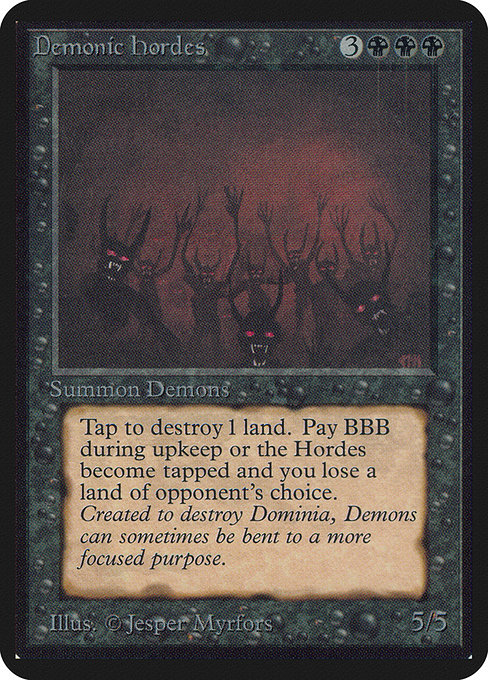

![Mew [Sparkle] #151](/api/images/junkpal-products/cards/mew-sparkle-151-pokemon-2000-topps-chrome-card/img0/thumb.webp)
![Exeggutor [Tekno] #103](/api/images/junkpal-products/cards/exeggutor-tekno-103-pokemon-2000-topps-chrome-card/img0/thumb.webp)
JunkPal may earn a commission when you buy through eBay links, at no extra cost to you.
What’s worth the most
Ranked on medians of real closed eBay sales, not asking prices.