What does “dealer pricing” mean?
What it means
Dealer pricing is the wholesale acquisition cost for a trading card, the price a professional reseller pays to obtain inventory. This is not the final retail price charged to the end consumer. It represents the baseline cost of goods before any markup. This term is distinct from "retail price" or "market price," which reflects what a collector pays on a public marketplace. Dealer pricing is the transaction price between two businesses or a dealer and a bulk supplier.
What it does to price
Dealer pricing establishes the floor for a reseller’s potential profit. The markup applied over dealer pricing determines the final retail price. For common, ungraded cards, the markup might be minimal, perhaps 10-25% over the acquisition cost. For rare, high-grade cards, the markup can be significantly higher, sometimes 50-100% or more, depending on market scarcity and immediate demand. For example, if a dealer acquires a mid-tier rookie card for $15 (dealer price), selling it for $30 (retail price) achieves a 100% gross margin.
How to spot it
Dealer pricing is rarely explicitly stated by sellers unless they are operating as a B2B supplier. The tell is the source. If a seller is listing cards as "bulk lot purchase" or "dealer acquisition," they are referencing this pricing tier. To verify the true dealer cost, one must cross-reference the card against recent completed sales data on major platforms (like eBay Sold Listings) for the *same* condition. A common mistake is confusing the dealer acquisition cost with the current market value; a card might be bought cheaply in bulk but instantly command a much higher retail price.
Buying smart
Paying a premium for a card based on perceived dealer pricing is only justifiable when the card is guaranteed to move quickly or when the acquisition cost is significantly below the established market floor. If the dealer price is already close to the low end of the established retail range, the potential profit margin is too thin to justify the risk. A fair deal occurs when the acquisition cost is 30-50% below the current average retail price for that card's condition. If the dealer price is 80% or more of the retail price, the purchase is likely inefficient.
Selling smart
Proving a card was acquired at a low dealer price can sometimes justify a slightly lower initial listing price, appealing to buyers looking for a "deal," but this is rare. More often, demonstrating the card’s provenance—that it is sourced from a known, legitimate wholesale channel—lends credibility to the seller, reducing buyer hesitation regarding authenticity. The single most effective element is providing clear, high-resolution photos of the card itself, not just the packaging, allowing the buyer to assess condition against the known standard.
On eBay right now
Current asking prices from live listings — not sold-comp medians.

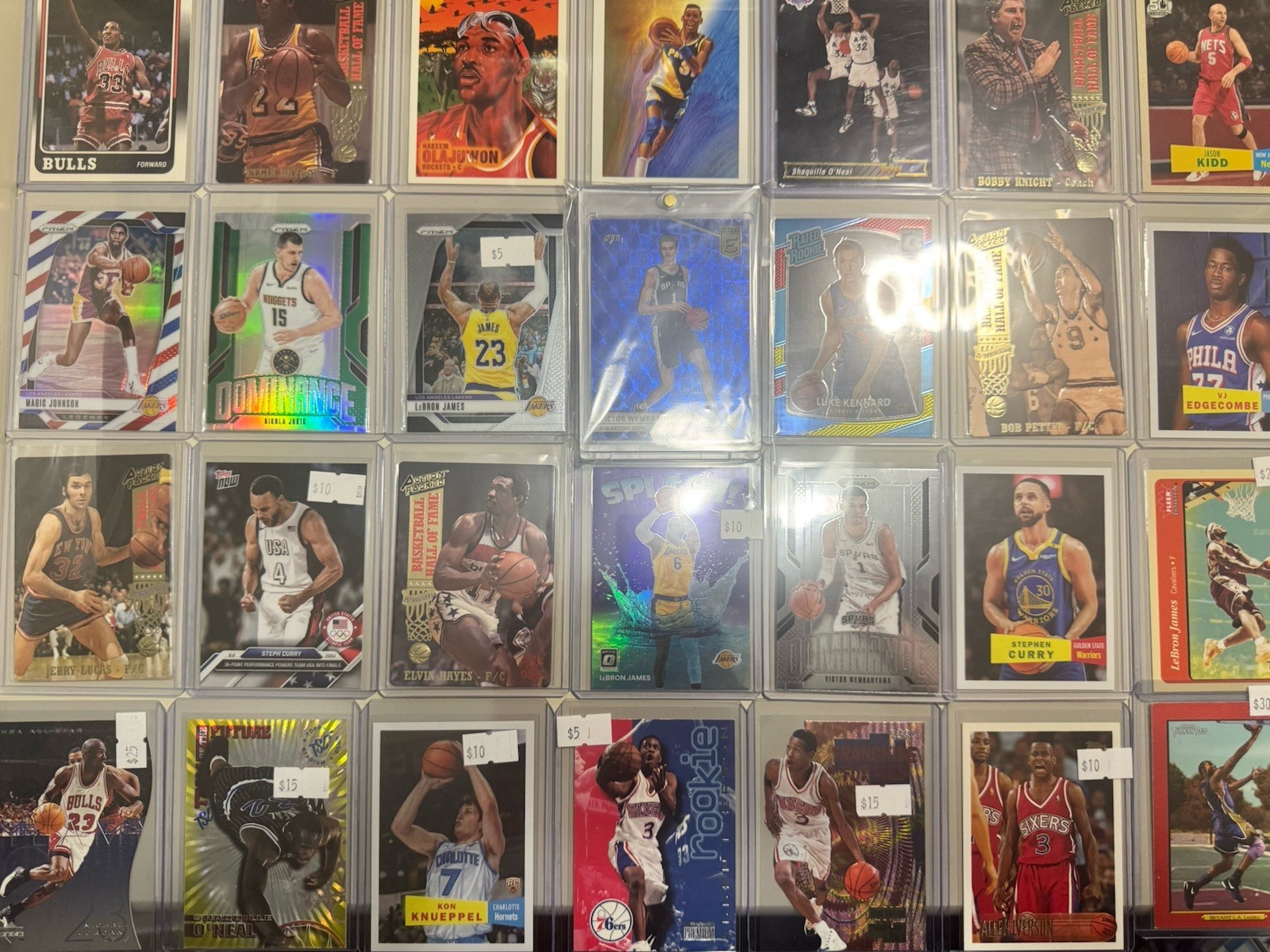
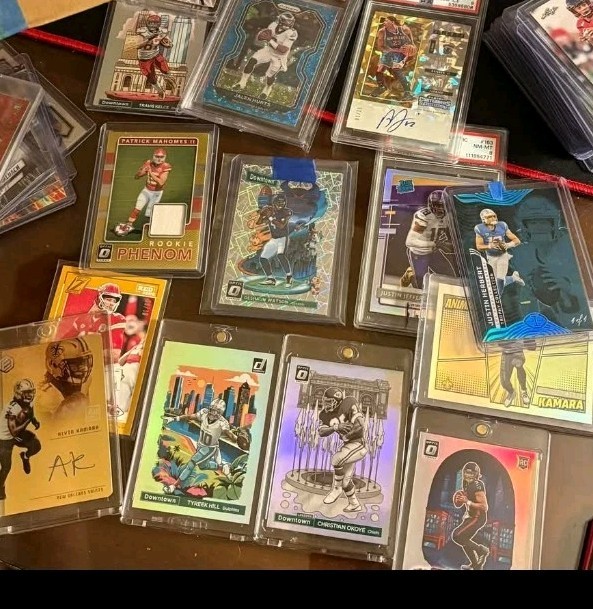

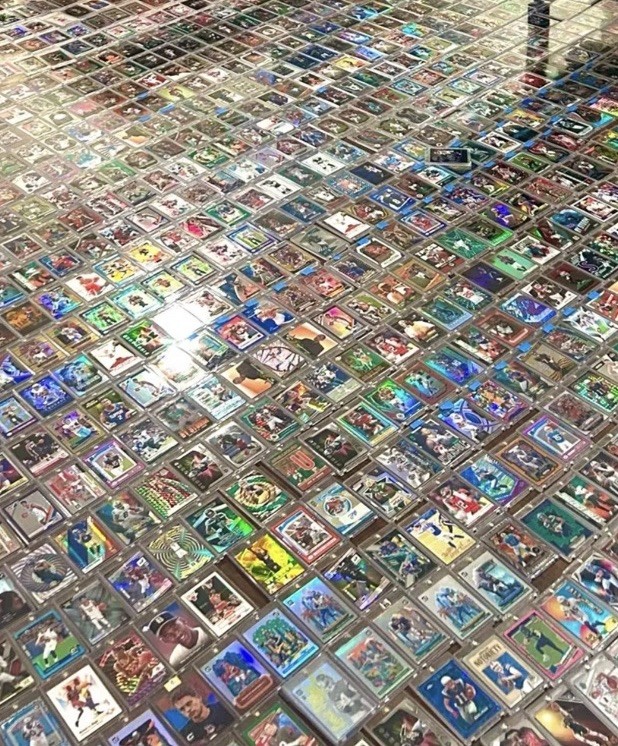

eBay links are affiliate links: JunkPal may earn a commission at no cost to you.
Resale values related to dealer pricing
Shop dealer pricing on eBay ↗
![Espeon [Gold Star] #16](/api/images/junkpal-products/cards/espeon-gold-star-16-pokemon-pop-series-5-card/img0/thumb.webp)
![Duel Link Dragon, the Duel Dragon [Ultra Rare] YCSW-EN012](/api/images/junkpal-products/cards/duel-link-dragon-the-duel-dragon-ultra-rare-ycsw-en012-yugioh-championship-series-card/img0/thumb.webp)
JunkPal may earn a commission when you buy through eBay links, at no extra cost to you.
What’s worth the most
Ranked on medians of real closed eBay sales, not asking prices.