What does “dealer grade card” mean?
What it means
A dealer grade card is a trading card that has undergone professional authentication and condition assessment by a recognized third-party grading company. These services include PSA (Professional Sports Authenticator), BGS (Beckett Grading Services), and SGC (Sportscard Guaranty Corporation). The resulting grade is a numerical score—typically 1 through 10—that quantifies the card's physical state. This assessment covers four primary areas: centering (how well the image is centered on the card), corners (sharpness and wear), edges (chipping or whitening), and surface (scratches or print damage). For the reseller, the grade is the primary determinant of market value. A high grade, such as a PSA 10, signifies near-perfect condition.
What it does to price
The grade applies a significant, often exponential, multiplier to the card's base value. A raw, ungraded card might sell for $X. A professionally graded copy of the same card, especially in a high grade (e.g., 9 or 10), typically commands a premium ranging from 2x to 10x the raw price, depending on the card's inherent rarity and demand. For a common, mid-tier card, a jump from raw to graded 9 might yield a 1.5x to 2.5x increase. For a highly sought-after rookie card, the difference between a raw 8 and a graded 10 can easily result in a price differential of several thousand dollars. Condition downgrades (e.g., a graded 5 instead of a 10) can cause value drops exceeding 70%.
How to spot it
The definitive tell is the protective plastic case, known as a "slab," sealed by the grading company. The slab will feature holograms, unique serial numbers, and the assigned grade prominently displayed. Authentication is confirmed by the company's official website using the unique ID printed on the slab. Common issues include counterfeit slabs or stickers placed over existing slabs. A common mistake is confusing a "graded" card with a "certified" card; grading implies a specific numerical condition assessment, whereas certification can sometimes refer to authenticity only. Always verify the grading company's logo and seal before accepting the item.
Buying smart
Paying the premium for a high-grade card is justified only when the card possesses significant inherent scarcity or established blue-chip status within the collecting community. For low-rarity, common, or speculative cards, the premium often outweighs the potential profit, making the purchase inefficient. A fair deal involves comparing the asking price against recent sales data for that specific card *in that specific grade*. If a PSA 9 is listed at 4x the average sale price of a PSA 9 from the last six months, the asking price is inflated.
Selling smart
Listing a card with a professional grade immediately shifts the buyer perception from "potential value" to "verified asset." The presence of the slab is the single most effective selling tool. In the listing description, the grade (e.g., "PSA 10") must be stated clearly and prominently. A single, high-resolution photo of the card *inside* the slab is required. This eliminates buyer doubt regarding condition and authenticity, allowing the seller to command the maximum market premium associated with guaranteed, third-party verification.
On eBay right now
Current asking prices from live listings — not sold-comp medians.

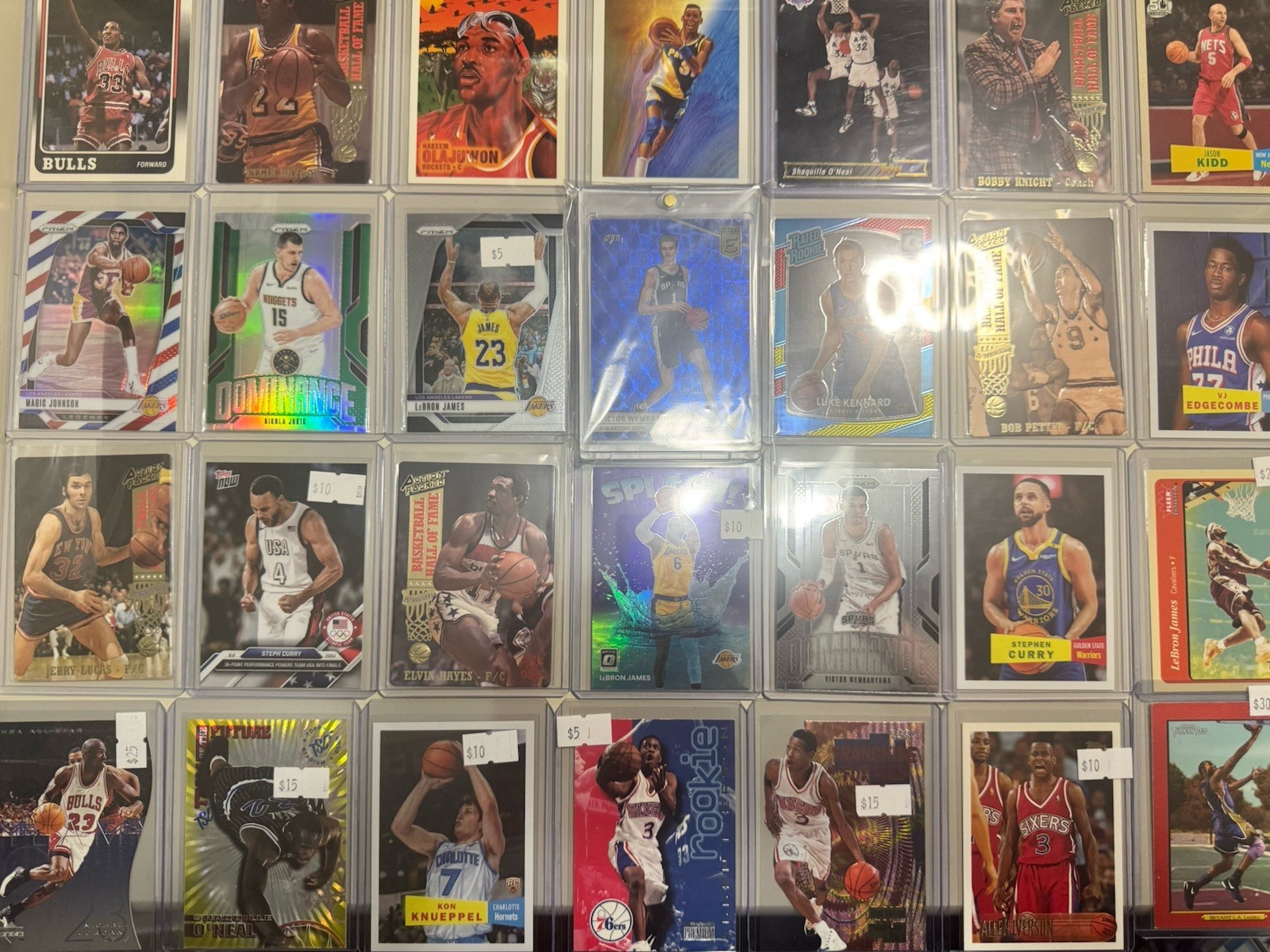
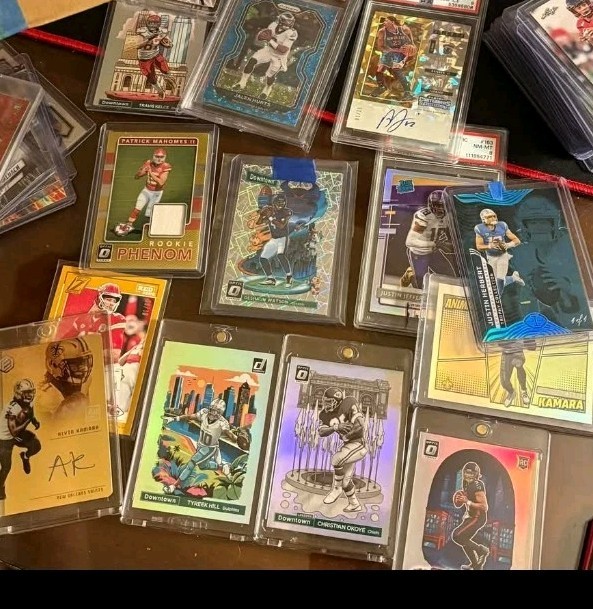

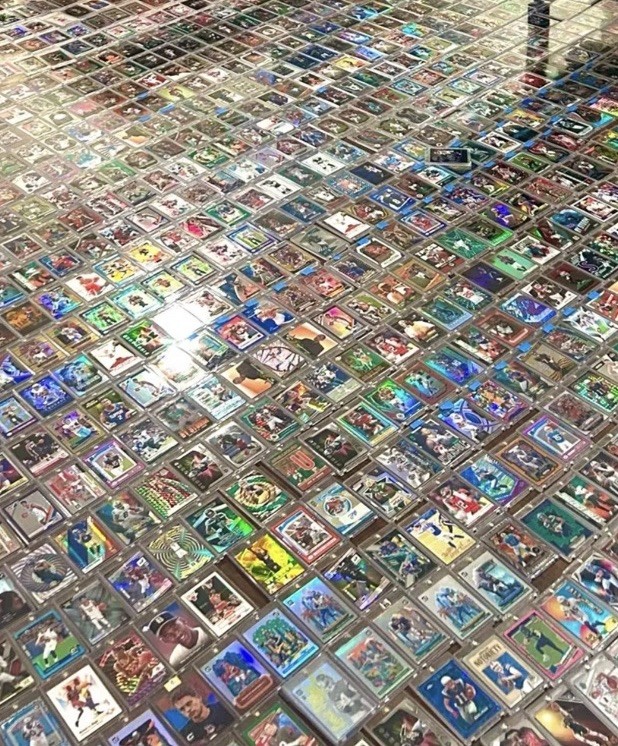

eBay links are affiliate links: JunkPal may earn a commission at no cost to you.
Resale values related to dealer grade card
Shop dealer grade card on eBay ↗


![Espeon [Gold Star] #16](/api/images/junkpal-products/cards/espeon-gold-star-16-pokemon-pop-series-5-card/img0/thumb.webp)


![Duel Link Dragon, the Duel Dragon [Ultra Rare] YCSW-EN012](/api/images/junkpal-products/cards/duel-link-dragon-the-duel-dragon-ultra-rare-ycsw-en012-yugioh-championship-series-card/img0/thumb.webp)
JunkPal may earn a commission when you buy through eBay links, at no extra cost to you.
What’s worth the most
Ranked on medians of real closed eBay sales, not asking prices.