What does “dealer grade” mean?
What it means
"Dealer grade" in the context of modern trading cards refers specifically to the numerical assessment assigned by a recognized, third-party grading company (e.g., PSA, BGS, SGC). This is not a casual opinion; it is a standardized, objective evaluation of the card’s physical condition across multiple criteria: centering, corners, edges, and surface. The scale typically runs from 1 (Poor) to 10 (Gem Mint). A grade of 9 is Near Mint, while a 10 is flawless. This certified grade serves as the definitive, universally accepted measure of a card's quality, replacing subjective condition reports.
What it does to price
The grade is the single largest determinant of market value. The jump from a lower grade (e.g., a raw 8) to a high grade (e.g., a PSA 10) can result in value increases ranging from 3x to 10x, depending on the card's rarity and demand. For a common chase card, the difference between a raw 9 and a graded 10 might be $50 to $150. For a highly sought-after rookie card, that same jump can easily exceed $1,000. Factors that push the price up are a perfect grade (10) and perfect centering. Factors that pull the price down are lower grades (under 8) or evidence of poor centering, even if the surface is clean.
How to spot it
The tell is the official, tamper-evident plastic slab or holder. Reputable grading companies seal the card inside this holder, and the grade is permanently affixed to the label. Do not accept a seller's photo of a card *before* it has been graded. Common issues include "slab-less" grading claims (unverified condition reports) or cards that have been "re-slabs" (a card placed in a holder after the original grade was lost or tampered with). Always verify the grading company's authentication process if a deal seems too good to be true.
Buying smart
Paying a premium for a graded card is justified only when the card is a high-demand asset (a "chase" card) where the difference between a 9 and a 10 represents a significant percentage of the total value. If the card is common or has low market liquidity, the premium paid for the slab may not yield adequate returns. A fair deal involves comparing the asking price of the graded card against recent sales data for the *exact same card* in that *exact grade* from reputable marketplaces. If the asking price is significantly above the established market average for that grade, it is overpaying.
Selling smart
When listing a card, the grade is the primary selling tool. A card listed as "PSA 10" commands a vastly higher price than the same card listed as "Near Mint." The single most effective element in a listing is providing a clear, high-resolution photograph of the official grading label, showing the grade number and the company logo. This visual proof instantly validates the card's quality, allowing the seller to command the maximum premium associated with certified, authenticated condition.
On eBay right now
Current asking prices from live listings — not sold-comp medians.

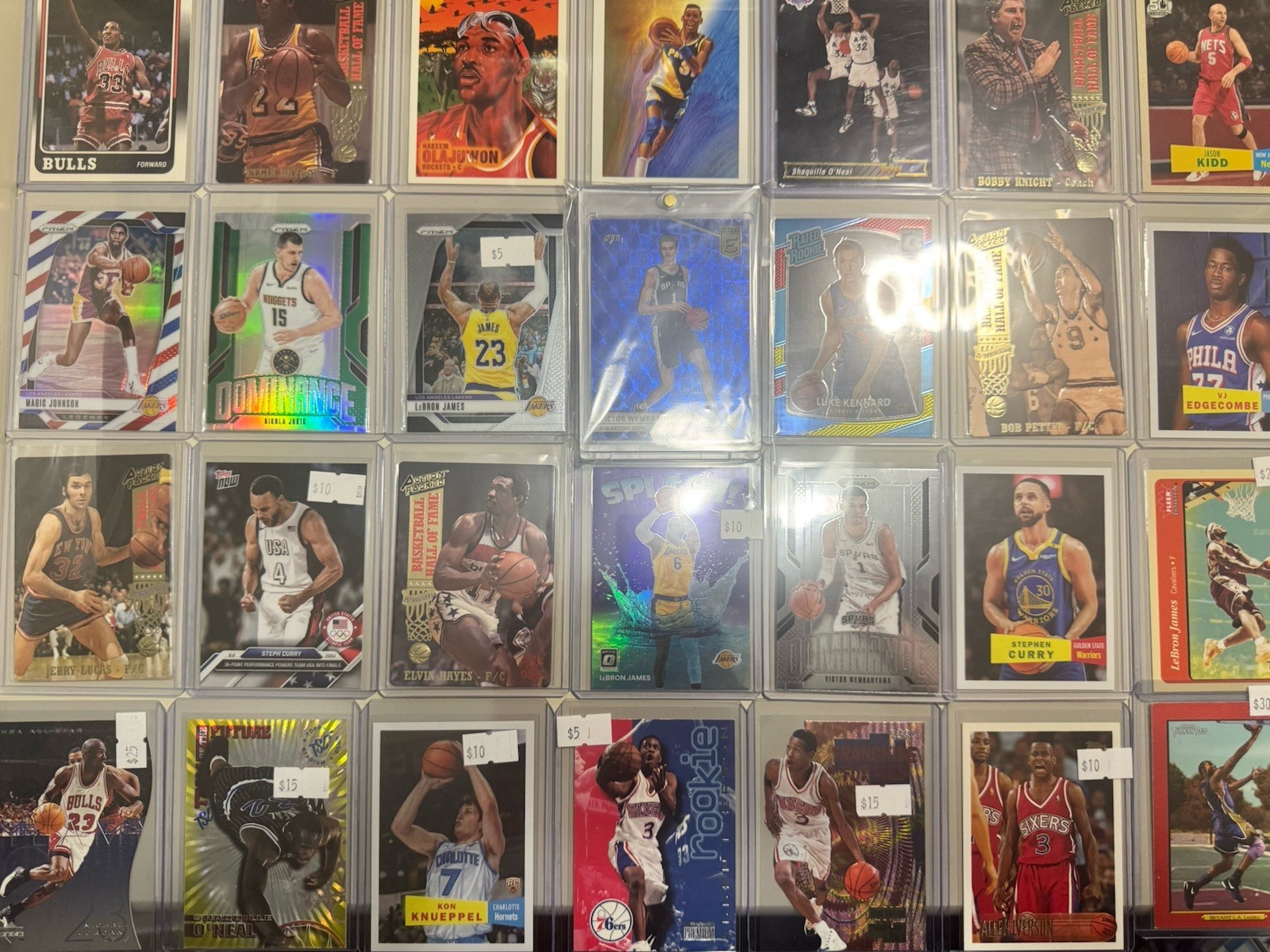
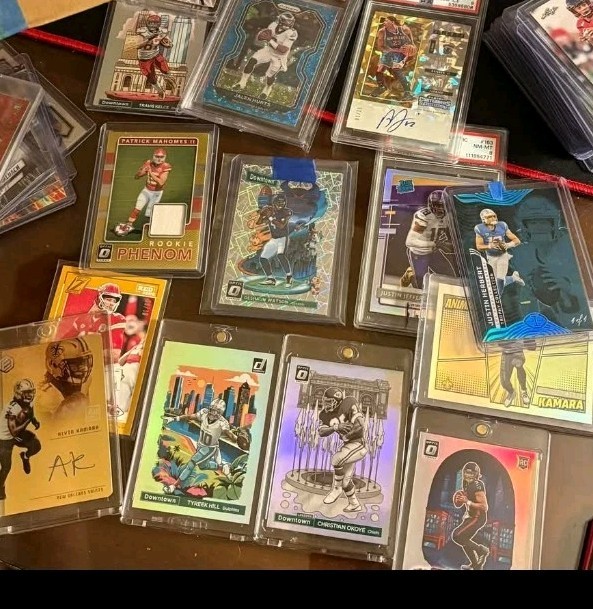


eBay links are affiliate links: JunkPal may earn a commission at no cost to you.
Resale values related to dealer grade
Shop dealer grade on eBay ↗![Island [Alt Art]](/api/images/junkpal-products/cards/island-alt-art-magic-summer-edition-card/img0/thumb.webp)





JunkPal may earn a commission when you buy through eBay links, at no extra cost to you.
What’s worth the most
Ranked on medians of real closed eBay sales, not asking prices.