What does “damaged” mean?
What it means
"Damaged" in trading cards is a broad term for any physical imperfection that compromises the card's aesthetic or structural integrity compared to a mint or near-mint specimen. This encompasses edge wear (fraying, rounding), surface abrasions (scuffs, scratches), corner damage (dings, whitening), and print defects (misregistration, ink bleed). This is not a single grade but a spectrum of flaws. Minor wear is often categorized as "lightly played," while severe damage—such as deep creases, tears, or major print failures—is considered "heavily damaged" or "poor." The mainstream equivalent is simply "condition," but "damaged" focuses specifically on deviations from perfection.
What it does to price
Damage introduces a direct, non-linear depreciation curve. The value reduction depends entirely on the card's base market value. For a common, low-value card, a small scuff might reduce value by 5-10%. For a high-value, graded card (e.g., a $500 base value), a visible crease or corner chip can cause a 30-50% drop in secondary market value. Conversely, minor, undetectable wear might only warrant a 5-15% reduction. A card with heavy, distracting damage might sell for 10-25% of its pristine counterpart's value. For example, a mint copy of a $100 card might sell for $100; a copy with a noticeable corner ding might sell for $70-$85.
How to spot it
Inspect edges under bright, direct light for whitening or fraying. Examine the surface under magnification for micro-scratches or print misalignment (misregistration). Corners must be checked for rounding or stress marks. Sellers must provide high-resolution images focused specifically on corners and edges. Common honest mistakes include cards that were previously handled roughly or stored improperly. Fakes sometimes mimic wear, but true damage often presents as structural stress (e.g., a crease that bends the card slightly). Always ask for a photo showing the card held flat against a white background to check for warping.
Buying smart
Paying a premium for a "damaged" card is only justifiable if the damage is extremely minor, nearly invisible under normal viewing conditions, and the card's base market value is very high. In these cases, the discount for the imperfection is minimal, making the purchase worthwhile for investment or immediate playability. It is not worth paying a premium for a card described as "damaged." A fair deal involves the asking price reflecting the documented flaws. If a seller claims "light wear" but the photos show significant corner chipping, the buyer should negotiate down by at least 20%.
Selling smart
Transparency is the highest-value strategy when selling damaged inventory. Listing the specific damage—e.g., "Light edge wear on bottom right," or "Minor surface scuff near center"—allows the buyer to self-assess the discount. This prevents post-sale disputes. The one photo that earns the premium (or justifies the lower price) is a close-up, well-lit shot of the specific flaw. Documenting the defect upfront shifts the negotiation from "Is this worth it?" to "What is the discount for this known flaw?"
On eBay right now
Current asking prices from live listings — not sold-comp medians.



eBay links are affiliate links: JunkPal may earn a commission at no cost to you.
Resale values related to damaged
Shop damaged on eBay ↗
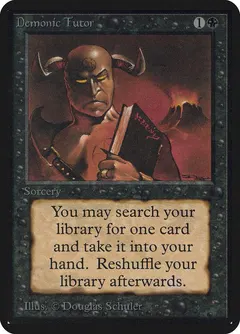
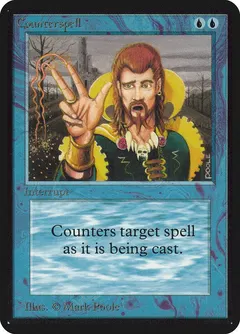
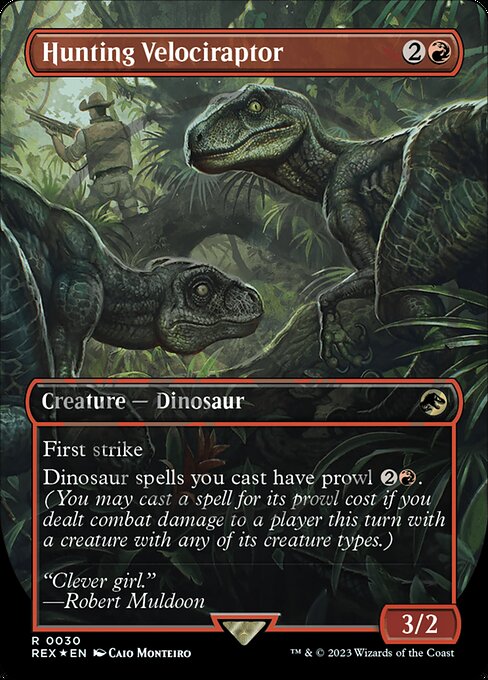


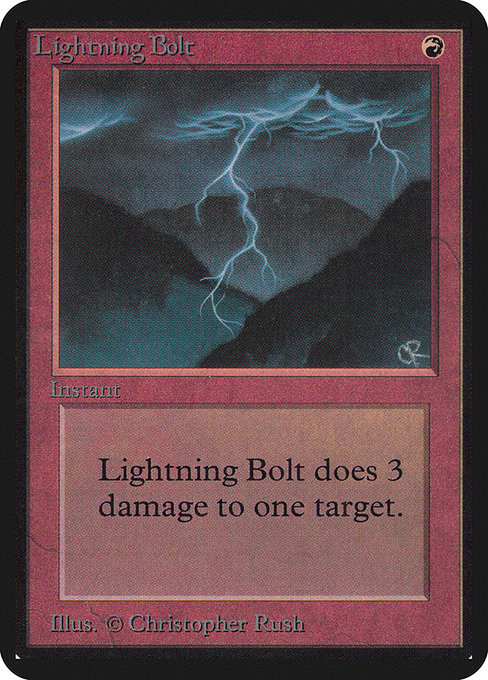
JunkPal may earn a commission when you buy through eBay links, at no extra cost to you.
What’s worth the most
Ranked on medians of real closed eBay sales, not asking prices.