What does “damage grade” mean?
What it means
Damage grade is the formal assessment of a trading card's physical condition. It documents every imperfection, including surface wear, edge chipping, print defects, and centering issues. This is not subjective opinion; it is a standardized evaluation used by grading companies (e.g., PSA, BGS). The resulting grade (e.g., Near Mint, Lightly Played, Poor) is a direct cataloging of the card’s preservation state. Mainstream equivalent: Physical condition report.
What it does to price
Condition dictates value exponentially. A card graded Mint (M) can fetch 3x to 10x the price of the same card graded Played (P). Minor flaws, such as a light surface scratch or a small corner ding, can drop the value by 30% to 50% compared to a perfect copy. Conversely, flawless centering and sharp corners can push a card into a higher tier, sometimes adding 20-40% premium over a comparable but slightly off-center version. For a common, mid-tier card, a difference between a Near Mint and Lightly Played copy can represent a $5 to $25 difference in final sale price.
How to spot it
Inspect cards under strong, direct light. Look for print lines (scratches across the image), edge wear (fraying or whitening on the borders), and corner rounding (dings or softness). Centering is critical; check the distance between the card's image and the borders—poor centering is a form of damage. Sellers must provide high-resolution photos showing the card from all four corners and a clear top/bottom view. Common mistakes include mistaking minor factory print variations for damage, or failing to disclose minor edge whitening.
Buying smart
Paying a premium for a high-grade card is justified only when the card is rare, highly sought after, or part of a confirmed chase set. For common or low-value cards, the premium for a perfect grade rarely outweighs the cost difference between buying raw (ungraded) and buying graded. A fair deal means the asking price reflects the *grade* offered, not just the card's inherent rarity. If a seller claims a high grade but the photos show clear flaws, the price is inflated.
Selling smart
Proving the card's condition directly impacts buyer confidence and final sale price. Listing the card "raw" requires detailed descriptions of every flaw; buyers will discount heavily for documented damage. If the card is professionally graded, the slab itself is the proof. The single most valuable element in a listing is a clear, well-lit photo that shows the card's most significant flaw (or lack thereof) in context. Transparency about condition minimizes returns and validates the asking price.
On eBay right now
Current asking prices from live listings — not sold-comp medians.

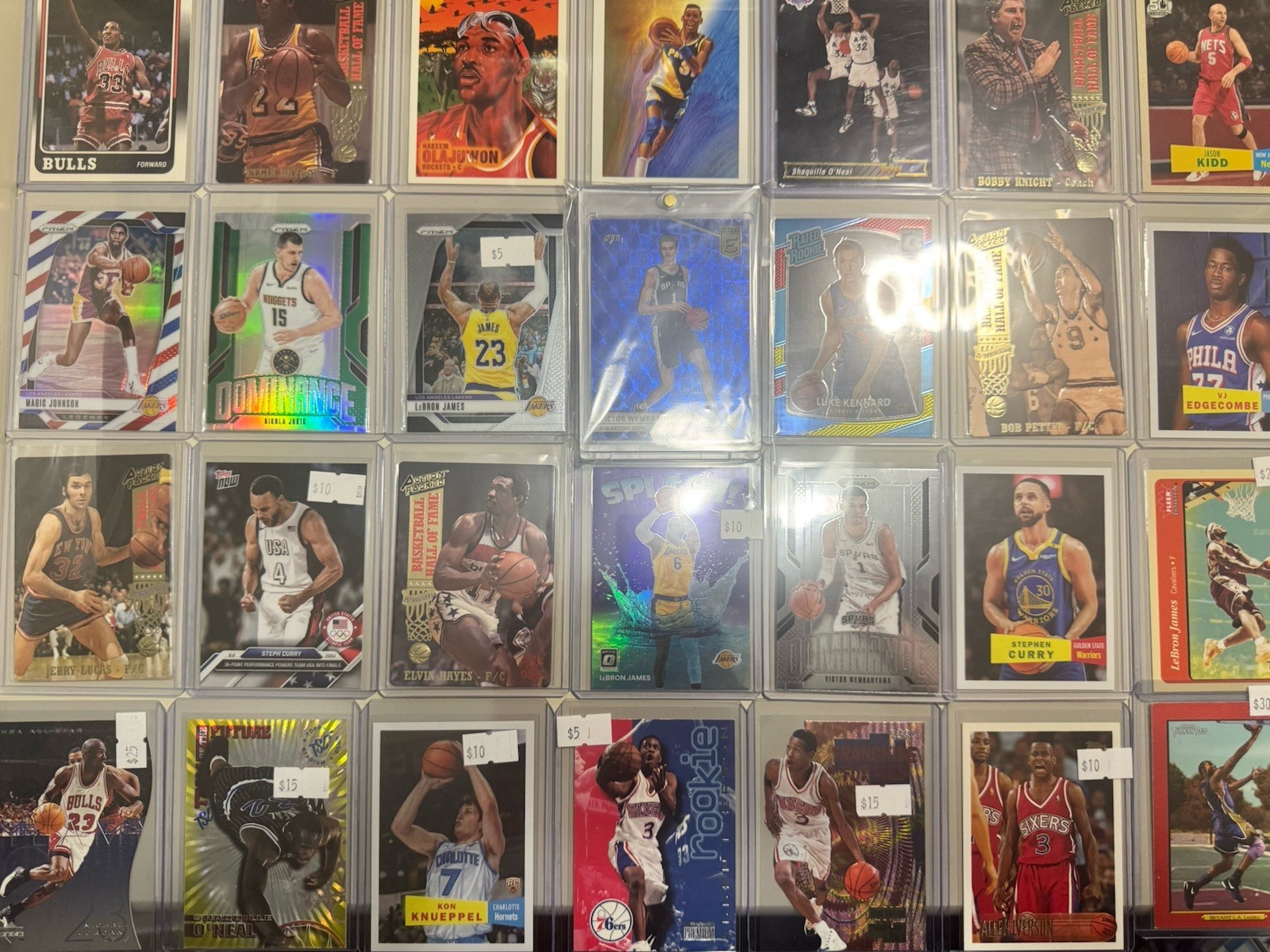
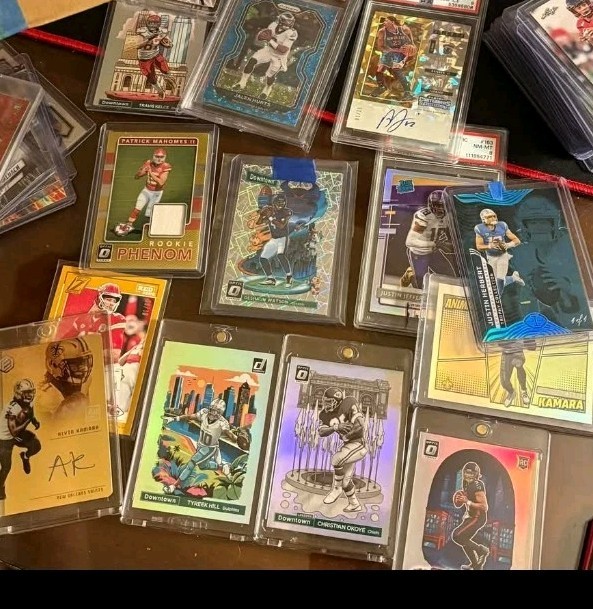

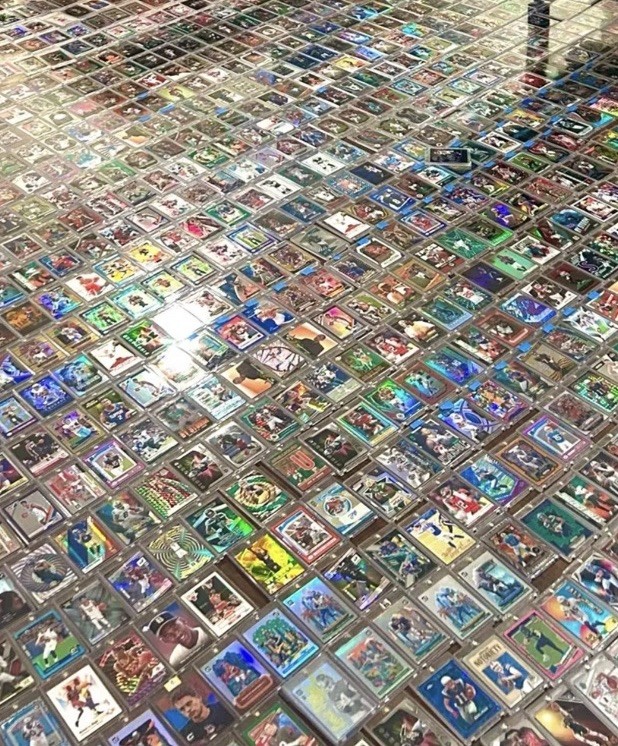

eBay links are affiliate links: JunkPal may earn a commission at no cost to you.
Resale values related to damage grade
Shop damage grade on eBay ↗

![Articuno [Sparkle] #144](/api/images/junkpal-products/cards/articuno-sparkle-144-pokemon-2000-topps-chrome-card/img0/thumb.webp)



JunkPal may earn a commission when you buy through eBay links, at no extra cost to you.
What’s worth the most
Ranked on medians of real closed eBay sales, not asking prices.