What does “crease” mean?
What it means
A crease is a permanent deformation of the card stock, manifesting as a linear fold, bend, or stress line. It is not simply surface scuffing; it involves the physical bending of the card material. In grading terms, a crease is a major flaw that immediately drops a card from Mint (M) or Near Mint (NM) down into Excellent (EX) or lower. The severity dictates the grade impact: a slight bend is less damaging than a sharp, deep fold that penetrates the card's structure. This is a physical defect, not a surface print error.
What it does to price
Creases introduce immediate downward pressure on value. A card graded PSA 10 (Gem Mint) with a visible crease will typically sell for 30% to 60% less than an identical, uncreased PSA 10. For high-value, graded cards, a single crease can render the card un-slab-worthy for top-tier investment buyers, potentially dropping the value by hundreds or even thousands of dollars. For common, loose cards, a noticeable crease can reduce the selling price by 40% or more compared to a pristine copy. Example: A common rookie card might sell for $5.00 loose and uncreased, but the same card with a visible crease might only fetch $2.50.
How to spot it
Creases are most visible under direct, bright light. Look for sharp changes in the card's plane—where the surface abruptly changes direction. Examine the edges and corners closely, as stress often concentrates there. When reviewing photos, look for shadow lines that do not align with the card's natural curvature. Sellers should provide high-resolution, zoomed-in images of the entire front and back, held flat against a white background. Fakes are rare in creases; most are honest handling mistakes, though excessive "wear" applied to mimic creases is a possibility in bulk lots.
Buying smart
Paying a premium for a card with a known crease is only justifiable if the card is otherwise exceptionally rare, highly sought after, or if the crease is extremely minor and barely visible without magnification. For common or mid-tier cards, accepting a crease means accepting a significant discount. A fair deal for a card with a moderate crease is one where the asking price reflects a minimum 35% depreciation from the uncreased market value. If the seller claims it is "lightly creased" but the photo shows a deep fold, the price is inflated.
Selling smart
When selling, disclosing a crease is mandatory; hiding it results in buyer disputes and returns. If the crease is minor, list it clearly as "Minor Crease Present" in the description. If the crease is significant, list it as "Creased" or "EX/Below NM." The single most valuable element in a listing is a clear, well-lit, close-up photo specifically highlighting the crease. This transparency manages buyer expectations, allowing the seller to command the correct, lower price without being accused of misrepresentation.
On eBay right now
Current asking prices from live listings — not sold-comp medians.

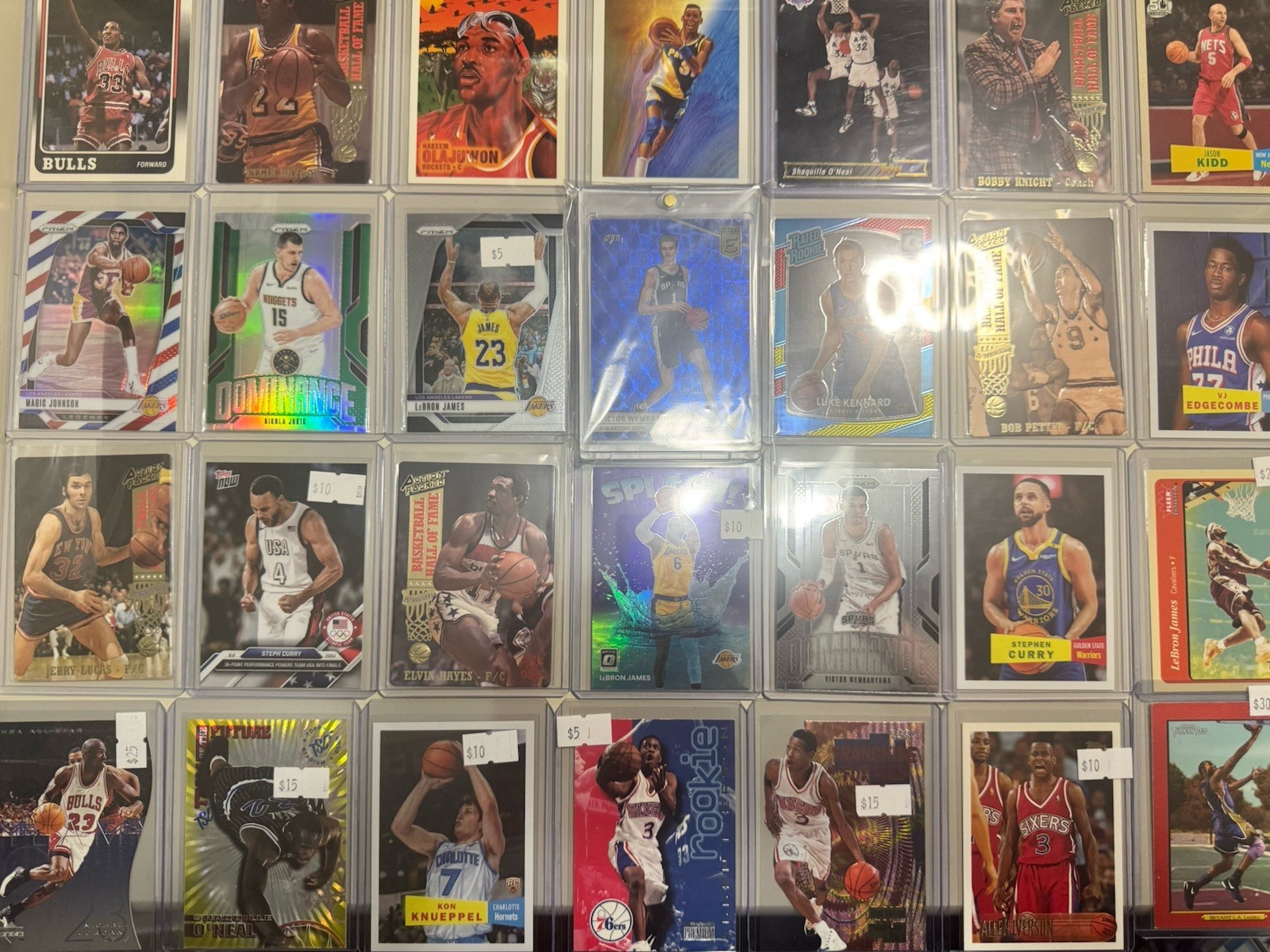
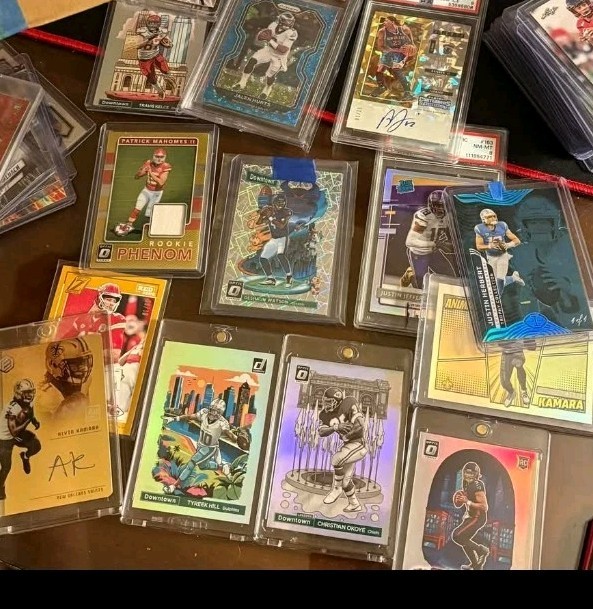

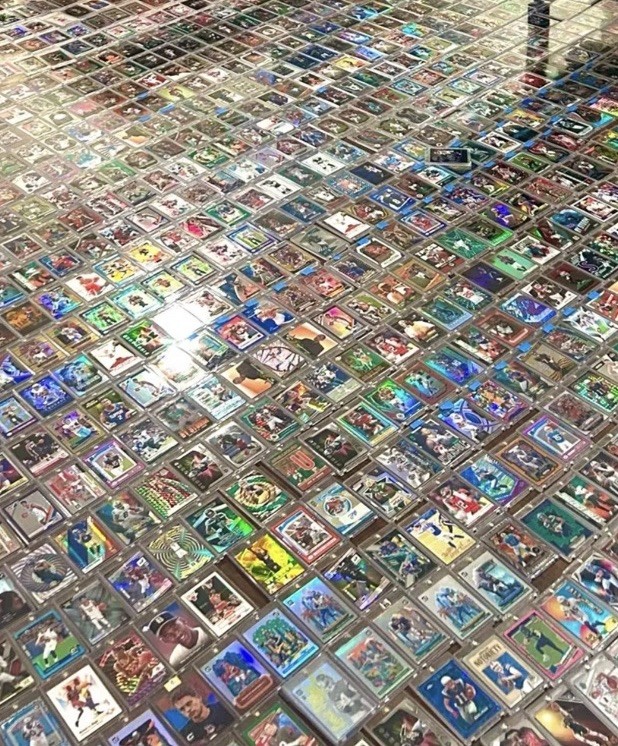

eBay links are affiliate links: JunkPal may earn a commission at no cost to you.
Resale values related to crease
Shop crease on eBay ↗
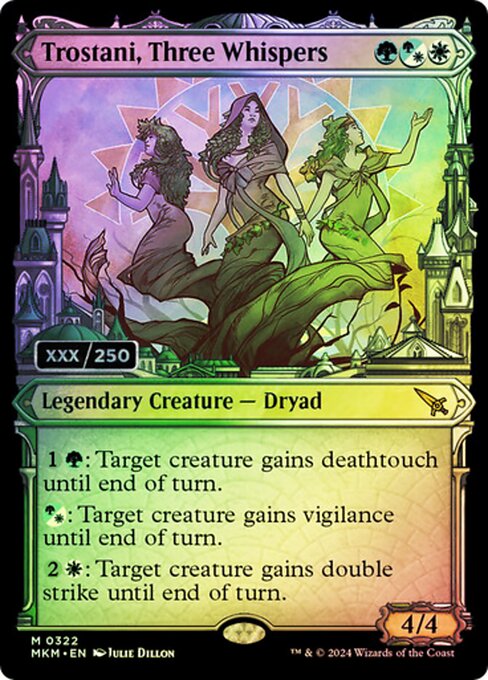
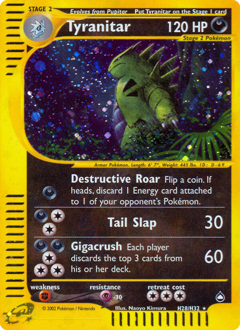
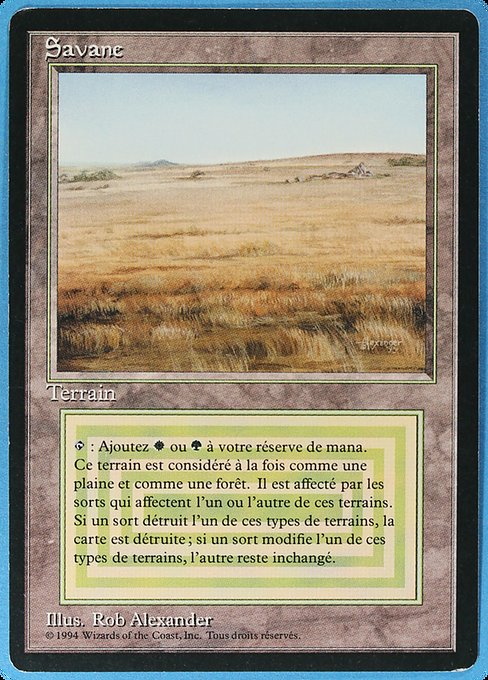
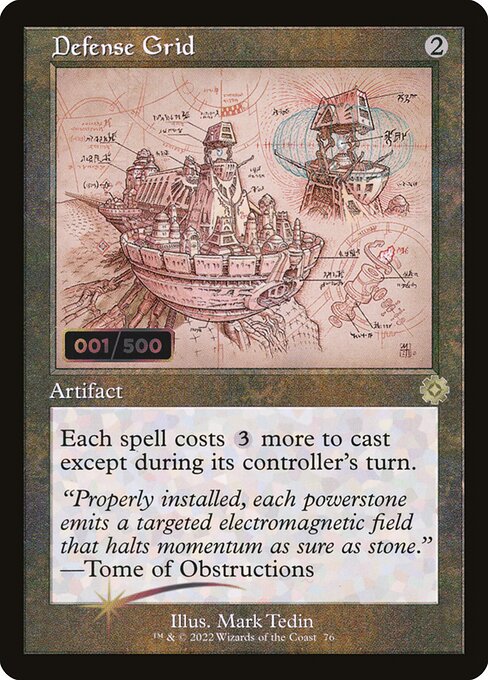
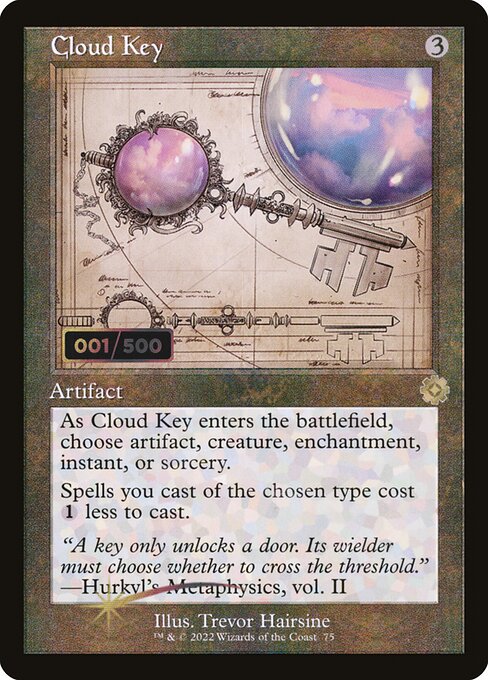
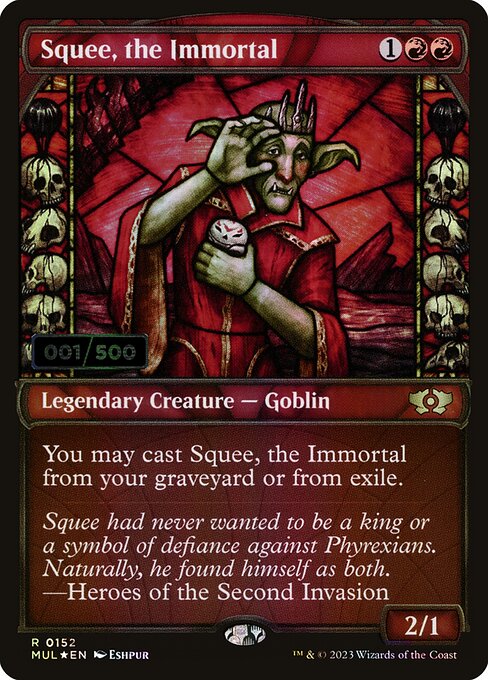

JunkPal may earn a commission when you buy through eBay links, at no extra cost to you.
What’s worth the most
Ranked on medians of real closed eBay sales, not asking prices.