What does “competitive play” mean?
What it means
Competitive play in trading card games refers to structured, rules-governed matches between players aiming to win under official tournament conditions. For collectors, this concept translates to "meta-game relevance." A card's value is often directly tied to its effectiveness within the current competitive environment—its "tier." A staple card, one frequently used in high-level play, commands a premium because demand from serious players is constant. Conversely, cards deemed weak or banned in competitive formats see reduced demand from this segment. This is distinct from general collectibility; competitive value is functional, not purely aesthetic.
What it does to price
Competitive viability acts as a direct multiplier on card value. A card that is a Tier 1 staple in the current meta can see prices 3x to 10x higher than an identical, functionally equivalent card that is considered niche or unviable. For example, a key removal spell that dominates current tournaments might fetch $150 loose, while a similar, less powerful version might only sell for $15. Factors pushing prices up include recent high-level tournament wins utilizing the card. Factors pushing prices down include a major format shift that renders the card obsolete.
How to spot it
Spotting competitive relevance requires monitoring professional play. Check official tournament results from major circuits. Community discussions on dedicated forums and social media often label cards with tier designations (e.g., "meta-defining," "staple," "dead"). Sellers should provide context if the card is high-demand. Look for specific print runs or supplemental sets that introduced the card into a powerful format; these editions may carry a higher competitive premium. Fakes are usually detectable by print quality, but genuine market status is confirmed via external play data, not just the card itself.
Buying smart
Paying a premium for a competitive card is justified when the card is demonstrably a core component of the current top-tier strategy. If a card is only marginally useful or only good in casual play, the premium is likely inflated speculation. A fair deal involves comparing the asking price against recent sales data for that specific card in tournament-relevant conditions. If the asking price exceeds 2x the established market rate for its functional tier, further verification of its current meta status is required.
Selling smart
Listing a card with competitive relevance allows for a higher price ceiling. The single most effective detail to include in a listing is a brief, factual statement referencing its current utility, such as "Current Meta Staple" or "Top Tier Format Enabler." This immediately filters buyers into the high-value collector/player segment. A photo showing the card in a recognizable, high-end tournament binder or next to official tournament signage (if applicable) reinforces the card's status and justifies the premium over a simple, loose photo.
On eBay right now
Current asking prices from live listings — not sold-comp medians.


eBay links are affiliate links: JunkPal may earn a commission at no cost to you.
Resale values related to competitive play
Shop competitive play on eBay ↗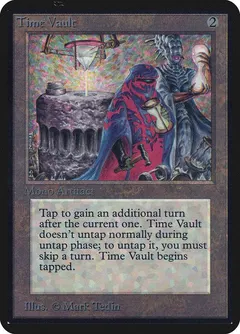



![Shining Mewtwo [1st Edition] #109](/api/images/junkpal-products/cards/shining-mewtwo-1st-edition-109-pokemon-neo-destiny-card/img0/thumb.webp)
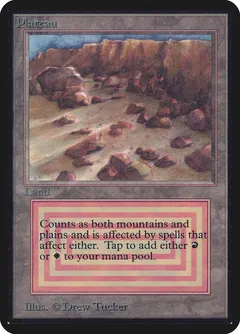

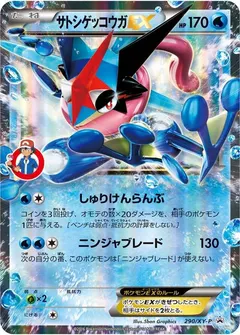
JunkPal may earn a commission when you buy through eBay links, at no extra cost to you.
What’s worth the most
Ranked on medians of real closed eBay sales, not asking prices.