What does “common rarity” mean?
What it means
Common rarity denotes the lowest tier of scarcity within a trading card set. These cards are mass-produced and represent the majority of the print run. In mainstream collecting terms, this is equivalent to the "base" or "standard" card. The definition is precise: these cards possess the lowest inherent desirability due to high supply. While they have low intrinsic value individually, their collective presence defines the overall market volume of a set.
What it does to price
Common cards establish the floor price for a set. Their value is highly dependent on condition and demand for the specific artwork or character. A standard, ungraded common card typically trades in the $0.10 to $0.75 range loose. A CIB (Complete In Box) copy of a common card rarely fetches more than 2x its loose value unless the set is extremely rare or sought after for bulk completion. Factors that push the price up include pristine centering (near 100/100) or if the common card is part of a minor, desirable subset (e.g., a specific parallel printing).
How to spot it
Identification relies on set checklist references. Common cards are usually the lowest numbered entries in the set guide. Print details often include specific foil patterns or lack of premium holographic treatments associated with rarer tiers. Sellers should provide high-resolution images showing the card edges and corners to verify centering. Common mistakes include mislabeling a common as a rare, or conversely, listing a low-tier parallel as a standard common.
Buying smart
Paying a premium for a common card is only justified when the card serves a specific function: completing a set checklist, or if the card is in near-mint condition and is part of a known, small-scale chase subset. For general collection building, purchasing commons in bulk lots is the most cost-effective strategy. A fair deal for a single, high-grade common card is typically 1.5x its established loose market value, provided the seller offers clear proof of condition.
Selling smart
Listing a common card as "Near Mint" when it is only "Good" will result in buyer disputes and returns. Proving the card's condition directly impacts the final sale price. The single most valuable element in a listing is a high-resolution, centered photo of the front and back showing no visible surface scratches or edge wear. Using the term "Bulk Lot" versus "Individual Grade" clearly sets buyer expectations regarding the price point.
On eBay right now
Current asking prices from live listings — not sold-comp medians.

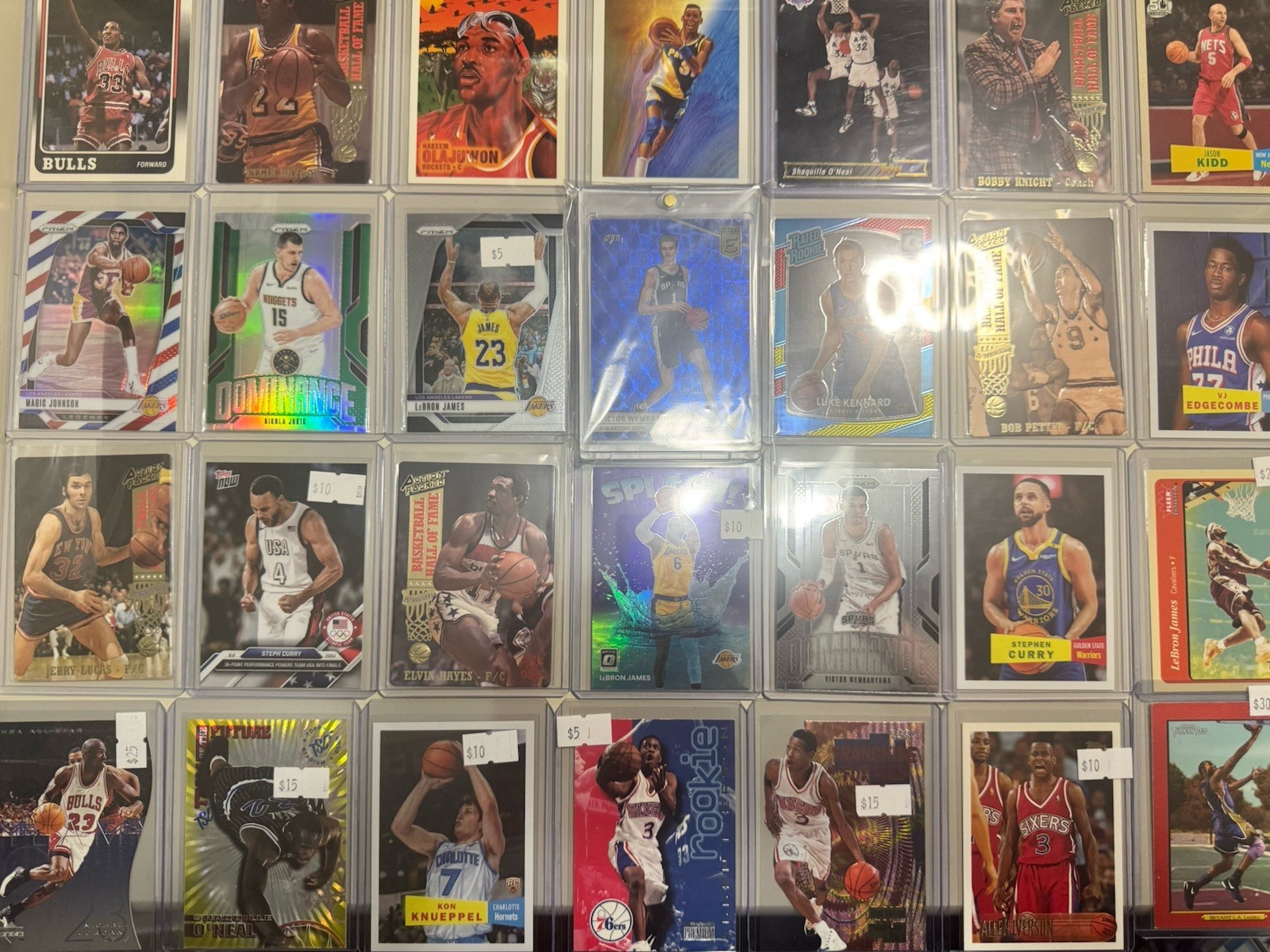
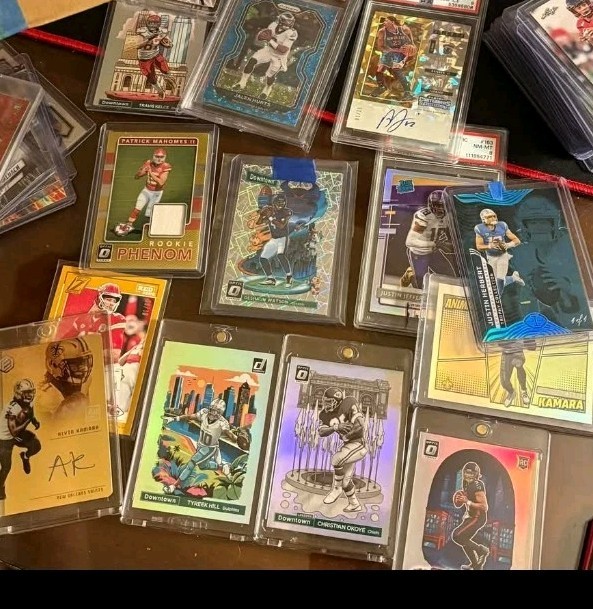


eBay links are affiliate links: JunkPal may earn a commission at no cost to you.
Resale values related to common rarity
Shop common rarity on eBay ↗
![Blackwing - Vayu The Emblem Of Honor [Misprint] ANPR-EN005](/api/images/junkpal-products/cards/blackwing-vayu-the-emblem-of-honor-misprint-anpr-en005-yugioh-ancient-prophecy-card/img0/thumb.webp)
![Poke Ball Tin Display [Q2 2020]](/api/images/junkpal-products/cards/poke-ball-tin-display-q2-2020-pokemon-promo-card/img0/thumb.webp)

![Kabuto [Tekno] #140](/api/images/junkpal-products/cards/kabuto-tekno-140-pokemon-2000-topps-chrome-card/img0/thumb.webp)

JunkPal may earn a commission when you buy through eBay links, at no extra cost to you.
What’s worth the most
Ranked on medians of real closed eBay sales, not asking prices.