What does “common” mean?
What it means
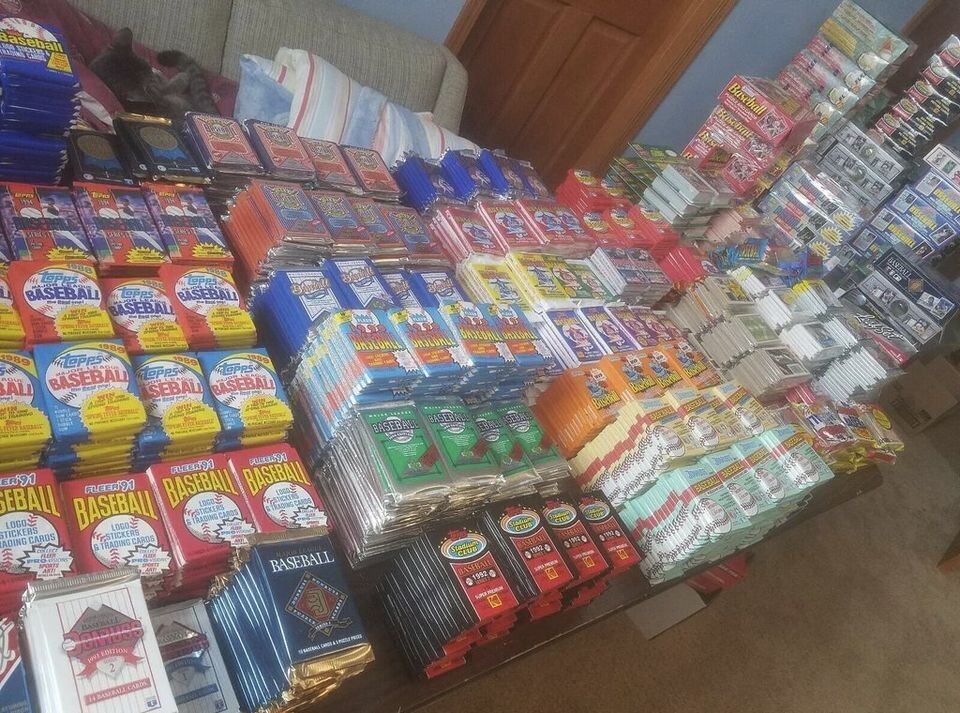
"Common" designates the lowest rarity tier within a trading card set. This is the most frequently printed card, meaning the manufacturer intended it to be the most abundant. In the context of collecting, rarity is the primary driver of market value. Common cards form the foundational bulk of any set. While they are plentiful, their value is not fixed. A common card's worth is secondary to its specific utility—whether it is required for set completion, desirable within the associated game mechanics, or belongs to a highly sought-after franchise.
What it does to price
Price is heavily dictated by condition and demand, not just the rarity designation. A Near Mint (NM) common card from a current, high-demand set might trade for \$0.50 to \$2.00 loose. A heavily played, poor-condition common card from the same set might sell for \$0.10 or less. Conversely, a common card from an extremely popular, vintage set, even if common, can command higher prices based on nostalgia or completeness. Damage (creases, whitening, corner dings) reduces value immediately by 30-60% depending on the card's base price.
How to spot it
Rarity is usually indicated by a specific symbol or text printed on the card, often a specific border color or a designated rarity icon (e.g., a circle or star). The exact placement varies by manufacturer and set. For print quality, check for sharp edges and consistent ink saturation. Common fakes are rare for this tier unless the set is very obscure, but common mistakes include mislabeling by sellers. Always request high-resolution photos of the card's edges and the back to verify the set numbering and printing quality.
Buying smart
Paying a premium for a common card is only justified when it serves a specific, non-bulk purpose. This includes completing a critical subset of a highly desirable modern collection, or if the card possesses an unexpected, high-utility function within the game it represents. For general set completion, buying common cards in bulk lots is the most economical approach. A fair deal for a single, high-demand common card should reflect its current market average, not its potential.
Selling smart
Listing a common card requires accurate grading terminology. Using precise condition terms (e.g., "Lightly Played" vs. "Good") sets buyer expectations and justifies the asking price. For bulk sales, clearly stating the quantity and the set is sufficient. To earn a premium on a single common card, the listing must include a clear, focused photo showcasing the card's best side, preferably with a ruler or coin for scale, and explicitly state its condition grade.
On eBay right now
Current asking prices from live listings — not sold-comp medians.




eBay links are affiliate links: JunkPal may earn a commission at no cost to you.
Resale values related to common
Shop common on eBay ↗

![Elite Trainer Box [Pokemon Center]](/api/images/junkpal-products/cards/elite-trainer-box-pokemon-center-pokemon-destined-rivals-card/img0/thumb.webp)
![Elesh Norn, Grand Cenobite [Serialized] #133](/api/images/junkpal-products/cards/elesh-norn-grand-cenobite-serialized-133-magic-multiverse-legends-card/img0/thumb.webp)
![Rakdos, Patron Of Chaos [Serialized] #320](/api/images/junkpal-products/cards/rakdos-patron-of-chaos-serialized-320-magic-murders-at-karlov-manor-card/img0/thumb.webp)

![Blackwing - Vayu The Emblem Of Honor [Misprint] ANPR-EN005](/api/images/junkpal-products/cards/blackwing-vayu-the-emblem-of-honor-misprint-anpr-en005-yugioh-ancient-prophecy-card/img0/thumb.webp)
JunkPal may earn a commission when you buy through eBay links, at no extra cost to you.
What’s worth the most
Ranked on medians of real closed eBay sales, not asking prices.