What does “combo” mean?
What it means
In trading card collecting, a "combo" is a specific grouping of two or more cards whose combined function creates a powerful, unique, or synergistic effect within a designated game. This is distinct from a simple "set" (a collection of cards from the same release) or a "lot" (a random grouping of cards). A combo is functional; its value derives from its strategic completeness. For example, in a competitive game, a combo might require Card A to enable Card B, resulting in a game-winning outcome. For collectors, the term applies whether the combo is competitively viable or simply aesthetically complete (e.g., a specific character pairing across different sets).
What it does to price
The pricing impact of a combo is highly variable, moving from additive to multiplicative. If the cards are individually common, the combo value remains near the sum of the parts. If the combo involves rare or chase cards, the combined value can see multipliers ranging from 1.8x to 5x the sum of the loose card prices, especially if the combo is currently dominant in the meta. A specific example: two uncommon cards might sell for $5 each ($10 total). If they form a known, highly efficient combo, the pair might sell for $25-$35, representing a 2.5x to 3.5x premium due to functional synergy. High-grade condition across all components is a major price driver.
How to spot it
Spotting a combo requires understanding the game's ruleset. Look for specific interaction keywords (e.g., "triggers when," "requires," "enables"). Sellers must provide clear images showing all relevant text boxes and card frames. A common mistake is misidentifying an effect; a card that *supports* a combo is not the combo itself. Fakes often target the most powerful combo pieces; check for print registration errors or texture differences on high-demand cards. Always confirm the print run or edition number to ensure the specific version of the card is included in the intended synergy.
Buying smart
Paying a premium for a combo is justifiable when the synergy is proven, highly efficient, and the cards are in high grade (Near Mint or better). If the combo is niche, outdated, or relies on a rule interpretation that is frequently disputed, the premium is likely inflated. A fair deal involves the seller clearly articulating *why* the cards work together and providing evidence of that function (e.g., a short video demonstrating the effect). If the premium is less than 1.5x the sum of the individual cards, the deal is usually safe unless the cards are extremely rare.
Selling smart
To maximize returns, the listing must move beyond simply listing the cards. The description must explicitly name the combo and state its function. Use precise terminology from the game. The single most effective element is a photo showing the cards laid out *in the context of the combo*—not just stacked, but positioned to show the interaction. Adding a brief, one-sentence explanation of the combo's power (e.g., "This pair achieves infinite resource generation") immediately signals to knowledgeable buyers that the item is a functional unit, justifying the premium price.
On eBay right now
Current asking prices from live listings — not sold-comp medians.

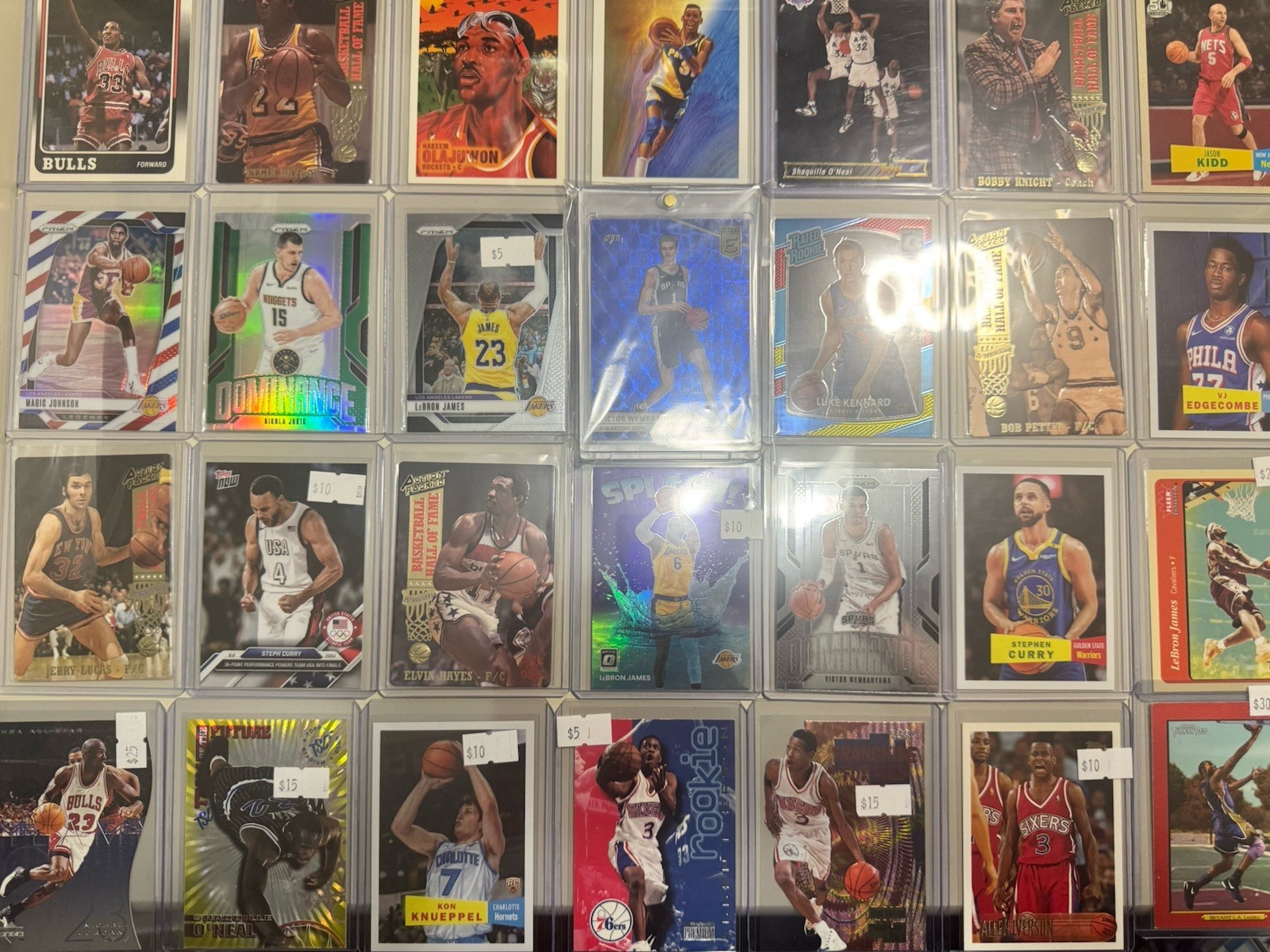
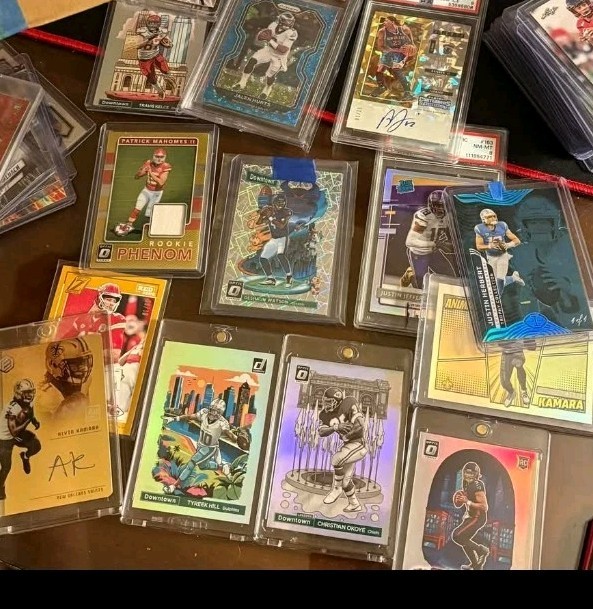



eBay links are affiliate links: JunkPal may earn a commission at no cost to you.
Resale values related to combo
Shop combo on eBay ↗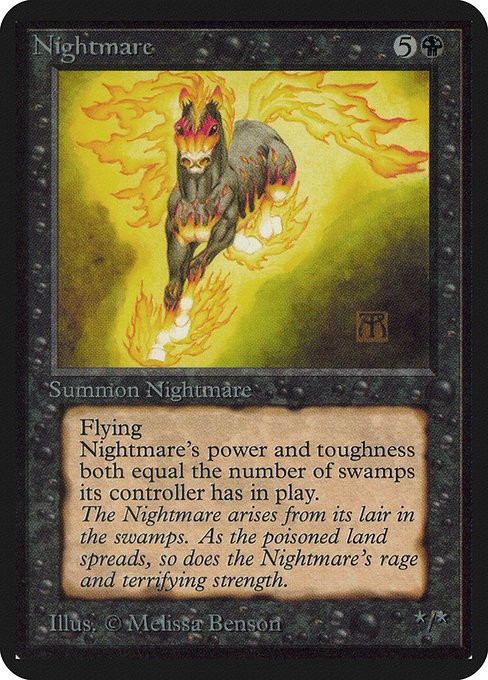

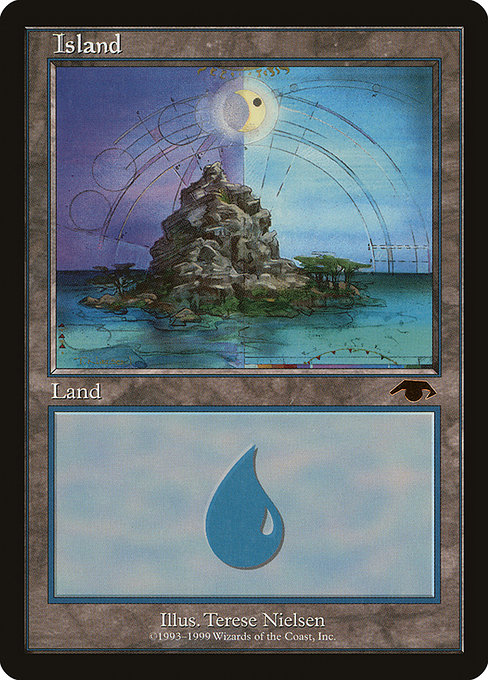



JunkPal may earn a commission when you buy through eBay links, at no extra cost to you.
What’s worth the most
Ranked on medians of real closed eBay sales, not asking prices.