What does “color variation” mean?
What it means
Color variation refers to measurable differences in the ink or pigment applied to a trading card. This is not merely a difference in lighting or scanning; it is a genuine deviation in the manufactured color profile. These variations can range from minor shifts in saturation (a slightly duller green) to significant hue changes (a distinct shift from cyan to blue). In the collecting niche, these differences are categorized as production variants. The mainstream equivalent is a manufacturing deviation, but in card collecting, a documented color variation is often a specific, marketable trait.
What it does to price
The impact on price is highly dependent on whether the variation is officially recognized or documented. A minor, undocumented shift usually has negligible effect on price. However, a known, cataloged color variant can command significant premiums. For a common card, a verified color variant might fetch 2x to 5x the price of the standard version. For a high-value chase card, a recognized color shift can multiply value by 10x or more. A specific example: a standard holographic card selling for \$100 might sell for \$300 if it is confirmed to be the "Deep Violet" variant.
How to spot it
Spotting color variation requires close inspection, ideally under consistent, neutral lighting. The primary tells involve comparing the card in question against known, authenticated examples. Look for differences in the base card stock color, the vibrancy of the foil application, or the specific shade of the printed artwork. Sellers must provide high-resolution, well-lit photos from multiple angles. Be wary of sellers claiming "color variation" without providing comparative evidence; this is often used to inflate price on common stock. Honest mistakes (e.g., an ink smudge that mimics a color change) must be distinguished from intentional production shifts.
Buying smart
Paying a premium for color variation is justified only when the variation is verified against reliable third-party grading service data or established collector databases. If the variation is undocumented, the premium is speculative risk. A fair deal involves a price that reflects the established rarity tier of the variation. If a known variant is listed at 1.5x the standard price, that is generally a reasonable baseline. If the premium exceeds 3x without clear proof of extreme scarcity, the purchase is likely overvalued.
Selling smart
To maximize sale price, the variation must be explicitly stated in the listing description. Do not rely on buyers spotting it. The single most effective element is a photo comparison: place the card next to a known, standard version of the same card, or include a reference image of the documented variant. Stating "Confirmed [Variant Name] Color Shift" immediately shifts the card from a general listing to a specialized collectible item, justifying the higher price point to informed buyers.
On eBay right now
Current asking prices from live listings — not sold-comp medians.

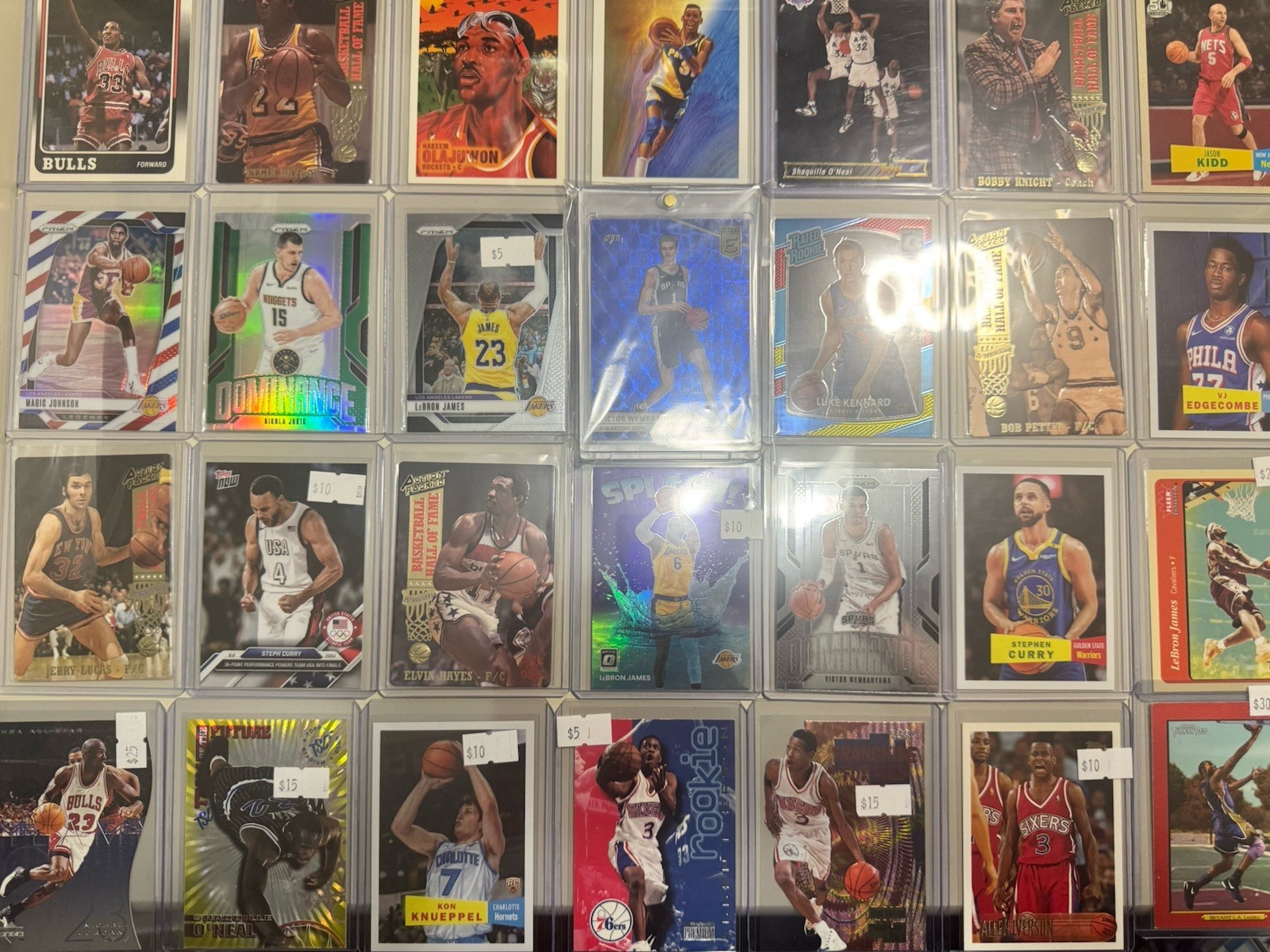
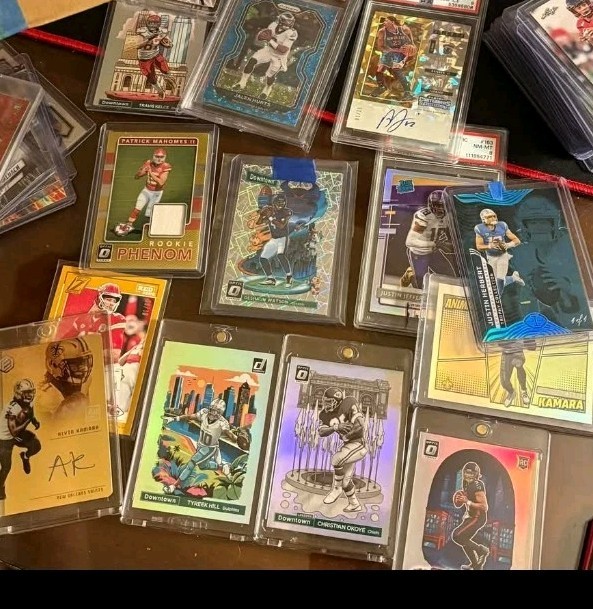

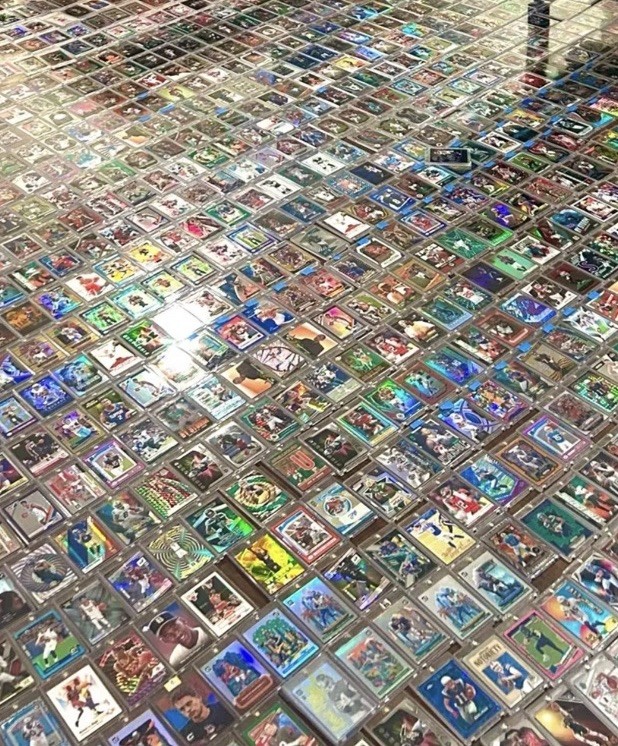

eBay links are affiliate links: JunkPal may earn a commission at no cost to you.
Resale values related to color variation
Shop color variation on eBay ↗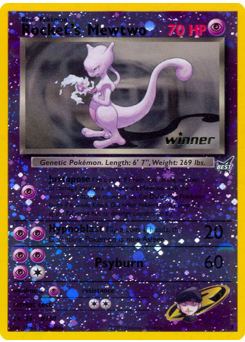


![Kabutops [Tekno] #141](/api/images/junkpal-products/cards/kabutops-tekno-141-pokemon-2000-topps-chrome-card/img0/thumb.webp)
![Zapdos [Sparkle] #145](/api/images/junkpal-products/cards/zapdos-sparkle-145-pokemon-2000-topps-chrome-card/img0/thumb.webp)
JunkPal may earn a commission when you buy through eBay links, at no extra cost to you.
What’s worth the most
Ranked on medians of real closed eBay sales, not asking prices.