What does “collector profile” mean?
What it means
A collector profile is a documented record of a specific buyer's collecting focus, acquisition history, and known preferences within the trading card market. It is not merely a list of owned items. It details specialization—for example, a focus solely on rookie cards from a specific year, a preference for high-grade holographic variants, or an obsession with a particular subset of vintage sports cards. For resellers, this profile reveals the buyer's established niche. This knowledge dictates what types of inventory the buyer is actively seeking or is predisposed to overpay for.
What it does to price
A known, established collector profile can introduce a significant premium. If a reseller targets a collector known to chase "Moxie" era baseball cards, a rare card from that era might fetch 1.8x to 3x the standard market price for a general buyer. Conversely, if the profile shows the collector avoids certain card types (e.g., modern parallels), listing a high-end parallel to them results in a price reduction, potentially 20-35% below market average. A concrete example: A 1990s baseball card graded PSA 8 might sell for $150 to a general buyer, but $250 to a collector whose profile shows an intense, documented focus on that specific era.
How to spot it
Identifying a profile requires looking beyond the item itself. Check auction histories for repeated purchases of similar items, even if they are low-value. Look for consistent sourcing—do they only buy from specific dealers or auction houses? Examine the items they buy for consistency in condition (e.g., always buying Near Mint, never accepting Lightly Played). Ask sellers for specific provenance details: "Where did this card come from?" or "Is this part of a specific set run?" Common mistakes include misidentifying a subset or failing to note a specific print variation, which immediately breaks a profile's assumed knowledge base.
Buying smart
Paying a premium based on a collector profile is warranted when the buyer's documented focus perfectly matches the item's scarcity and appeal. This works best for highly specialized, low-volume items—a specific rookie card from a minor league team, for instance. It is not worth the premium if the collector profile is based on weak data (e.g., one isolated purchase). A fair deal involves the premium being justified by the *proven* alignment of the item with the collector's established, verifiable collecting obsession.
Selling smart
Proving knowledge of a collector's profile in a listing converts interest into immediate sales at a higher tier. Instead of listing generically, the description should reference the known niche. The one element that earns the premium is specific, targeted language. For example, instead of "Vintage Baseball Card," use "Targeted Acquisition: Early 90s Baseball Rookie Focus." This signals to the profile holder that the item was specifically curated for them, bypassing general market competition and justifying the top-end pricing.
On eBay right now
Current asking prices from live listings — not sold-comp medians.

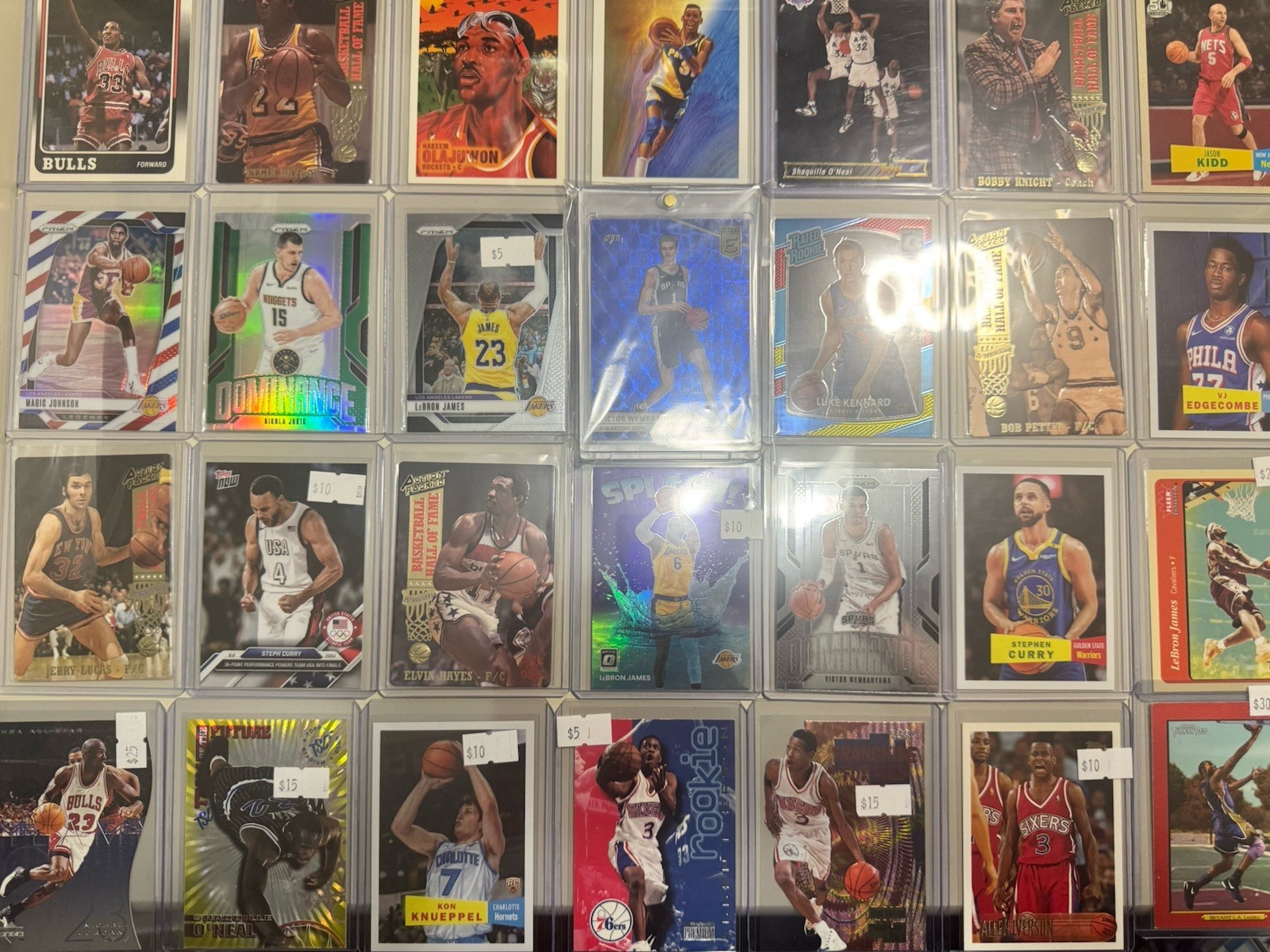
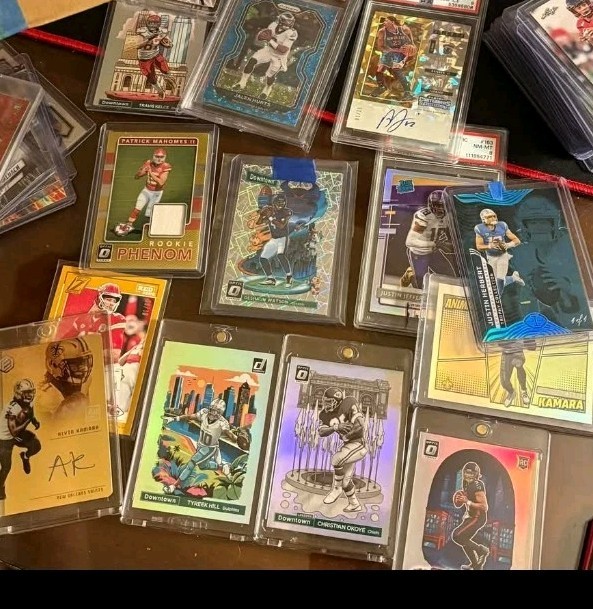

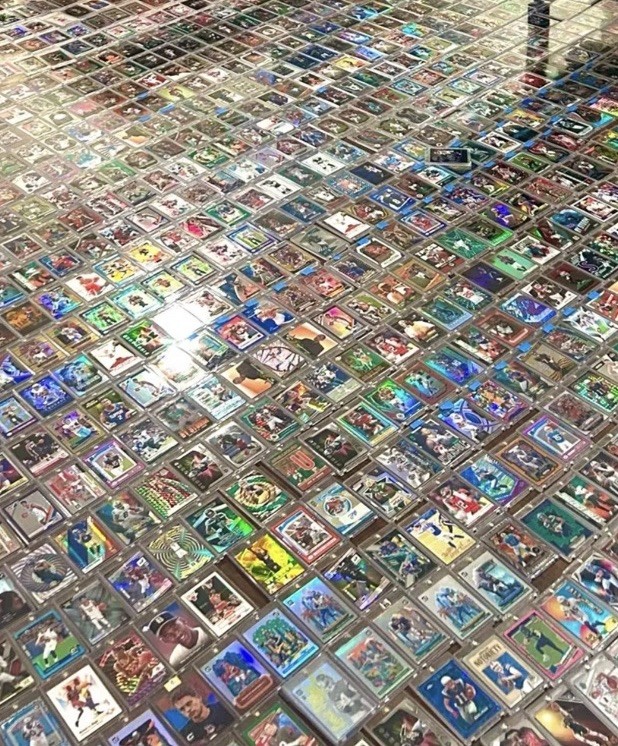

eBay links are affiliate links: JunkPal may earn a commission at no cost to you.
Resale values related to collector profile
Shop collector profile on eBay ↗



JunkPal may earn a commission when you buy through eBay links, at no extra cost to you.
What’s worth the most
Ranked on medians of real closed eBay sales, not asking prices.