What does “collector grade” mean?
What it means
Collector grade is the numerical assessment of a trading card's physical condition, standardized by professional grading services. This scale typically runs from 1 (Poor) to 10 (Gem Mint). The grade is not subjective; it is an objective measurement derived from the grader's inspection against established criteria. These criteria include corner sharpness, edge integrity, surface flaws (scratches, print lines), and centering accuracy. The mainstream equivalent is a detailed condition report, but the grade provides a universal, quantifiable shorthand for condition.
What it does to price
The grade is the primary driver of market value. The difference between a Near Mint 9 and a Perfect 10 can easily result in a 50% to 300% price variance, depending on the card's rarity. For common cards, the premium is negligible. For high-demand, scarce cards, a jump from a 7 to a 9 can add several hundred dollars instantly. Conversely, a card graded 9.5 but showing minor edge wear might fetch less than a perfectly centered 9. The grade acts as a concrete multiplier on the card's base market value.
How to spot it
When inspecting a card before grading, look for immediate red flags. Minor edge whitening is common, but significant rounding or chipping is a major detractor. Centering is critical; look for uneven margins. Fakes often fail in print quality—check for misregistration (where colors are slightly offset) or dull ink application. If a seller claims a card is "Mint" but provides only casual photos, request high-resolution, straight-on photos of all four corners and the card's edges. Be wary of cards graded high but sourced from unverified, low-reputation grading companies.
Buying smart
Paying a premium for a graded card is justified when the card is a blue-chip asset—a highly sought-after chase card where condition variance drives massive price swings. If the card is common or mid-tier, the cost of the grading service plus the premium paid for the grade often outweighs the potential return. A fair deal involves the asking price reflecting the grade *plus* a reasonable premium for the certification, not just the card's raw value. If the premium seems excessive for the grade level, the deal is likely inflated.
Selling smart
Listing a card with a verifiable, third-party grade immediately removes condition debate from the sale. Buyers pay a premium for the certainty the grade provides; they are buying the grade as much as they are buying the card. The single most effective element in a listing is the official, high-resolution image of the card *inside* its slab, clearly showing the certification label and grade number. This visual proof justifies the higher asking price and filters out buyers unwilling to pay for guaranteed quality.
On eBay right now
Current asking prices from live listings — not sold-comp medians.

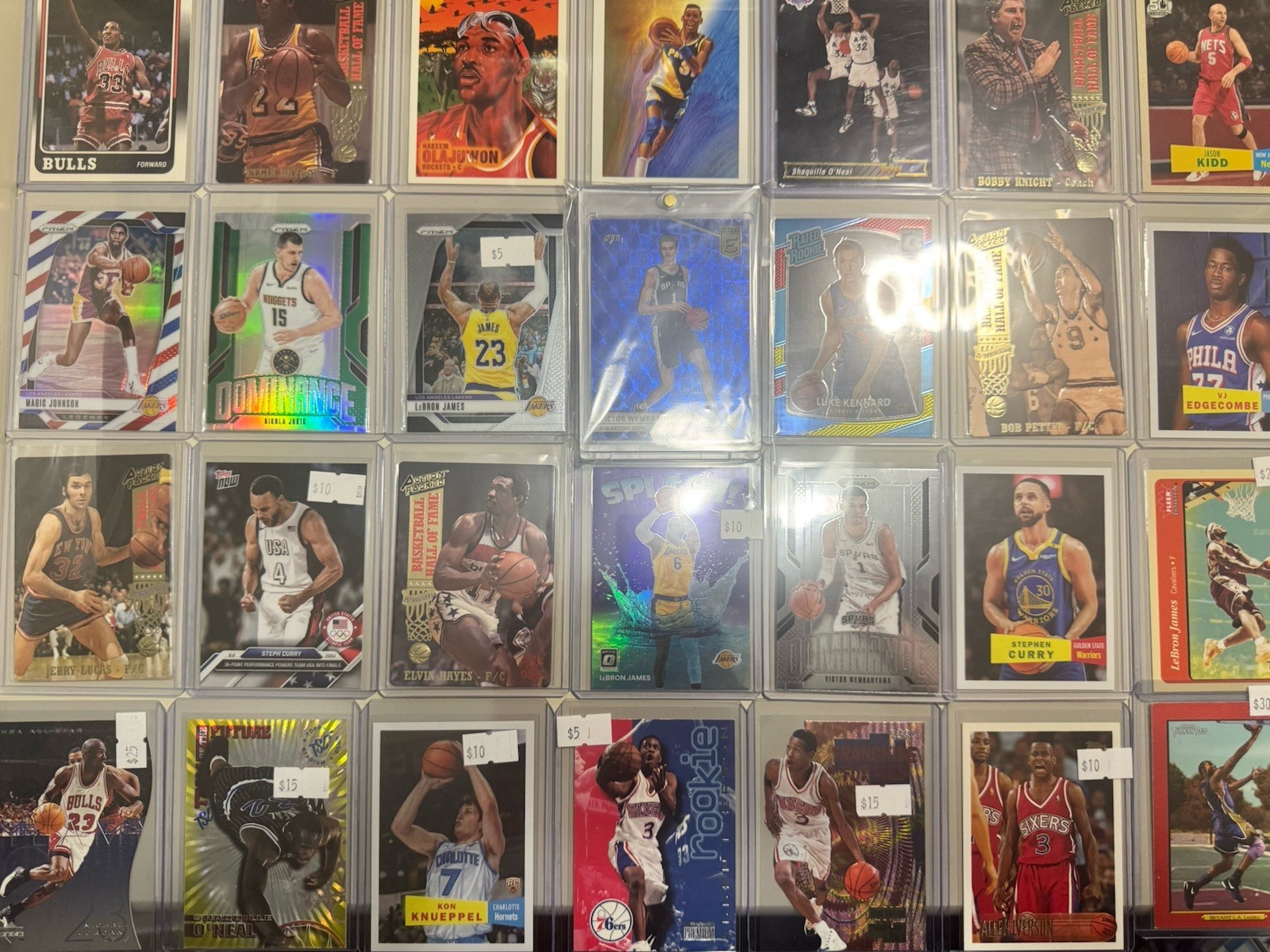
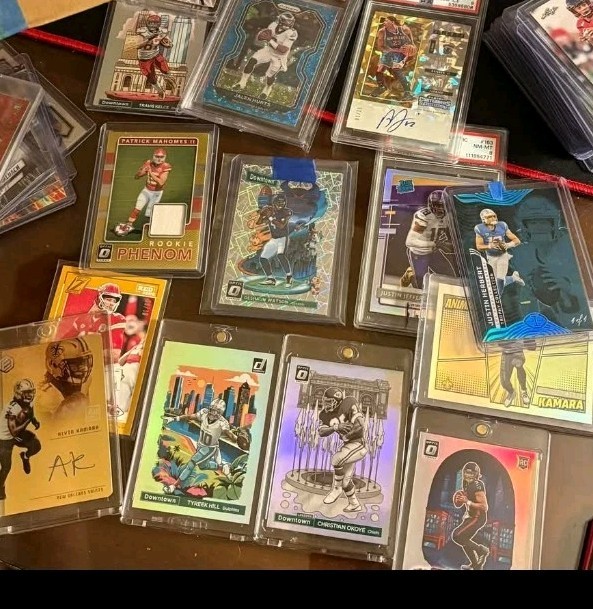


eBay links are affiliate links: JunkPal may earn a commission at no cost to you.
Resale values related to collector grade
Shop collector grade on eBay ↗

![Meetup on Christmas Eve Ai SSP ([OSHI NO KO] Vol.2)](/api/images/junkpal-products/tcgcsv/meetup-on-christmas-eve-ai-ssp-685751-tcg/img0/thumb.webp)
JunkPal may earn a commission when you buy through eBay links, at no extra cost to you.
What’s worth the most
Ranked on medians of real closed eBay sales, not asking prices.