What does “chrome” mean?
What it means
Chrome in trading cards denotes a specialized printing process that applies a highly reflective, metallic, or holographic layer to the card surface. This is not merely a gloss finish; it involves metallic inks or specialized foils that catch and reflect light dramatically. In the collecting niche, this finish is a distinct subset of "specialty printing." It functions as a visual differentiator, elevating a card from a standard print run to a premium variant. The term is used interchangeably with "foil" or "holographic," but "chrome" specifically implies a more pronounced, mirror-like, or silver/gold metallic effect rather than a simple rainbow refraction.
What it does to price
The presence of a genuine chrome finish acts as a significant value multiplier. For modern, high-demand cards, a chrome version can fetch 1.8x to 4x the price of its standard parallel counterpart, depending on scarcity. If the chrome is part of a limited, numbered insert, the multiplier can exceed 5x. A standard, common card might sell loose for $1.00; the same card in a verifiable chrome variant could easily command $5.00 to $10.00 or more, provided the condition is pristine. Conversely, if the chrome is poorly applied, faded, or appears to be a cheap sticker overlay, the value premium evaporates, potentially dropping the card below its base price.
How to spot it
Authentic chrome is integrated into the printing process. Look for consistent reflectivity across the entire surface, not just in patches. Examine the card under multiple light sources; the reflection should be sharp and uniform. Sellers must provide high-resolution, well-lit photos taken at an angle that maximizes light reflection. Common issues include "chroming bleed," where the metallic ink has seeped unevenly into the card stock, or "peeling," where the foil layer is lifting at the edges. Counterfeits often use cheap, non-integrated holographic stickers that look flat when viewed closely.
Buying smart
Paying a premium for chrome is justifiable when the card is a centerpiece of a desirable set or features a key player in a high-demand market segment. If the card is a common pull or lacks strong aftermarket demand, the premium is speculative risk. A fair deal involves a price that reflects the known scarcity of the specific chrome variant relative to the base card's market rate. If a seller is asking for a 5x premium on a card that has no established aftermarket demand, the deal is likely inflated.
Selling smart
Proving the quality of the chrome finish is critical for maximizing sale price. Listings must include at least two photos: one straight-on and one angled under a strong, direct light source. The description must explicitly state "Genuine Chrome Finish" and detail the condition of the foil (e.g., "Mint, no peeling or scratches"). A single, clear photo demonstrating the reflective quality of the surface is often the difference between selling at the base price and achieving the premium valuation.
On eBay right now
Current asking prices from live listings — not sold-comp medians.

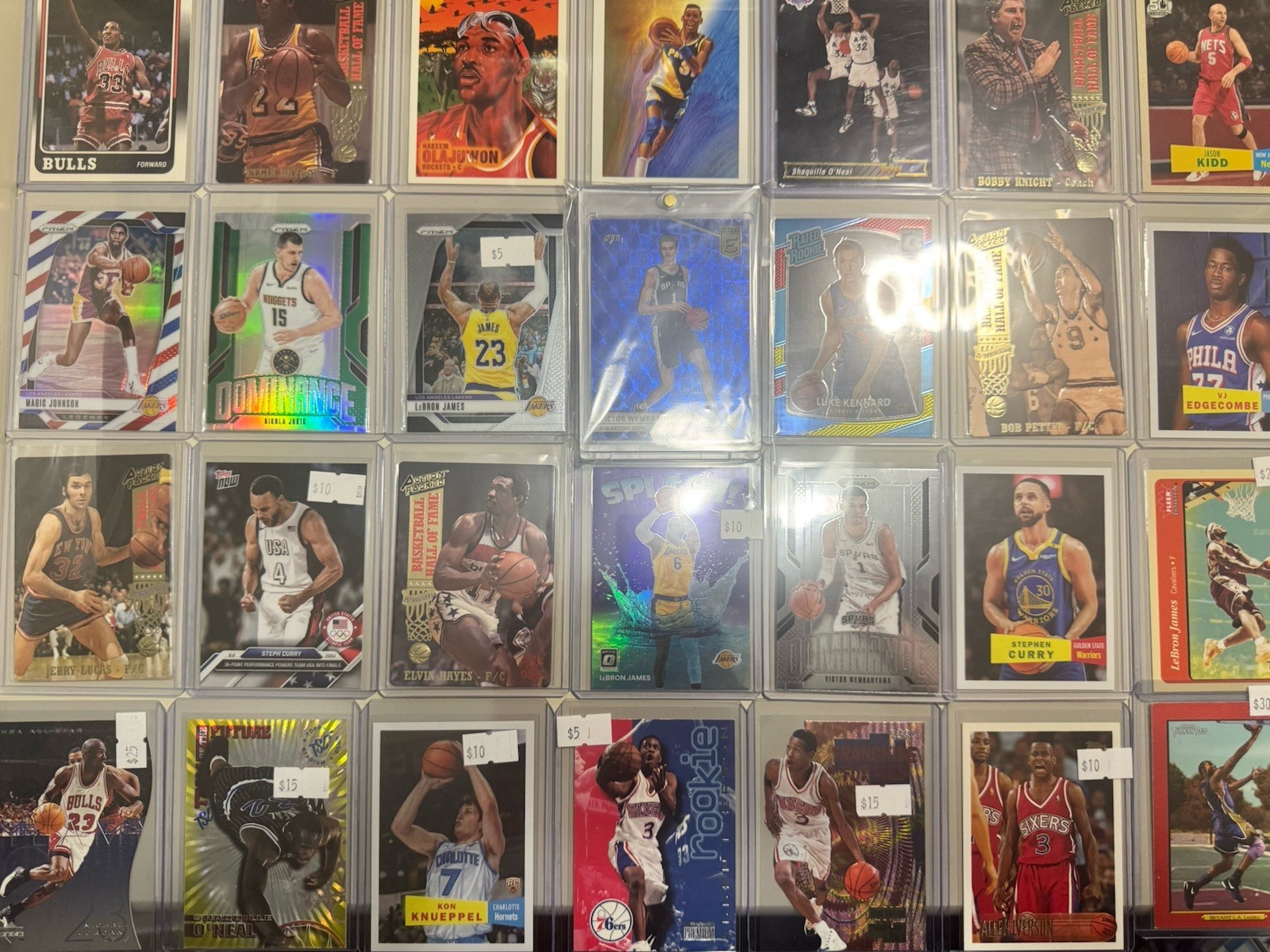
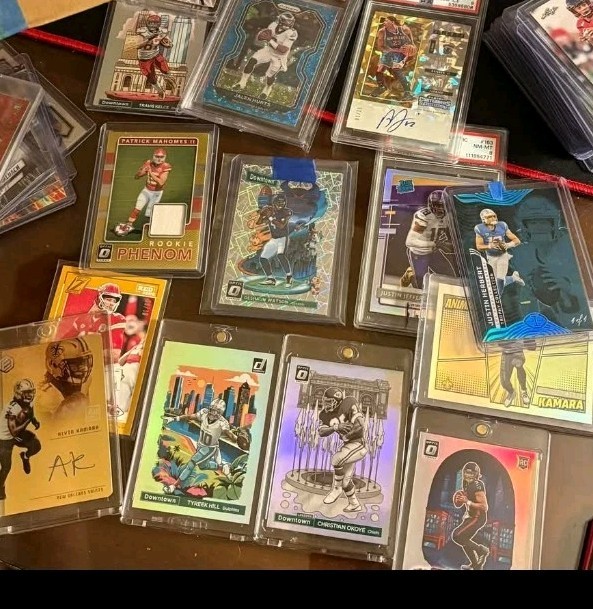

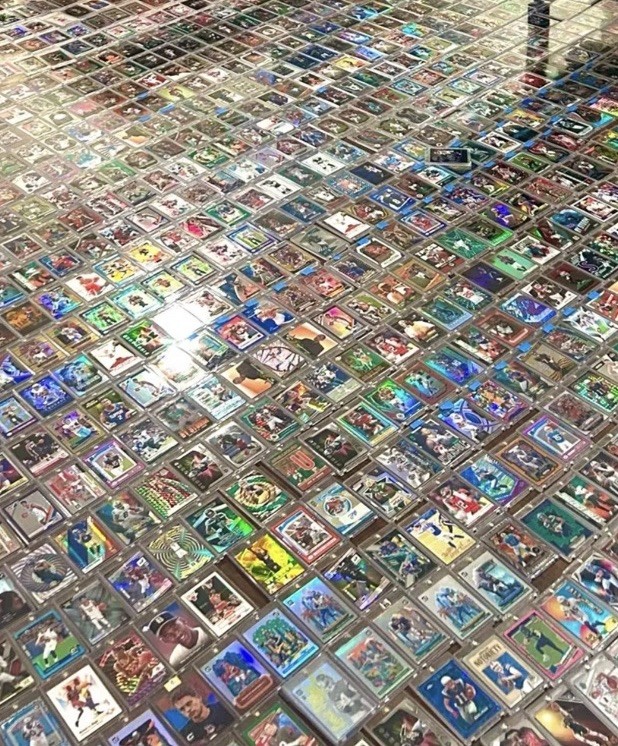

eBay links are affiliate links: JunkPal may earn a commission at no cost to you.
Resale values related to chrome
Shop chrome on eBay ↗
![Articuno [Sparkle] #144](/api/images/junkpal-products/cards/articuno-sparkle-144-pokemon-2000-topps-chrome-card/img0/thumb.webp)




JunkPal may earn a commission when you buy through eBay links, at no extra cost to you.
What’s worth the most
Ranked on medians of real closed eBay sales, not asking prices.