What does “chipped corner” mean?
What it means
A chipped corner is physical damage to the perimeter of a trading card. Specifically, it denotes material loss, nicks, or significant bending at one of the four corners or along an edge. This is not merely a slight crease; it implies the card stock has been compromised, resulting in a permanent alteration to the card's surface integrity. In grading terminology, this flaw immediately moves a card out of the 'Near Mint' or 'Mint' range and into lower tiers, such as 'Lightly Played' or 'Played,' depending on the severity. The mainstream equivalent is general edge wear, but "chipped" implies actual material removal.
What it does to price
The impact on value is direct and proportional to the size of the chip and the card's overall rarity. A card in perfect, unblemished condition commands the highest premium. A card with a single, minor chip (less than 1mm) might see a 15-25% reduction from its pristine counterpart. For high-value, scarce cards, even a small chip can reduce the market value by 40-60% compared to a perfect copy. Conversely, if the chip is on a common, low-value card, the price reduction might only be $1-$3. A card that is otherwise perfect but has a noticeable, large chip will sell for significantly less than its graded equivalent.
How to spot it
Inspection requires magnification, preferably 10x. Look closely at the four corners and the four edges. A chip is a distinct piece missing or a sharp, broken edge, not just a rounded corner from handling. Sellers must provide high-resolution, well-lit photos focused specifically on the corners. A common mistake is confusing a "dog-ear" (a fold or bend in the corner) with a true chip (material loss). Fakes or heavily doctored cards might show signs of corner repair, which is a separate, severe defect.
Buying smart
Paying a premium for a card with a chipped corner is only justifiable if the card is extremely rare, has massive aftermarket demand, and the chip is microscopic—a flaw that is nearly impossible to spot without close inspection. If the card is mid-tier or common, the discount offered by the damage should be substantial. A fair deal for a card with a visible chip is one where the asking price reflects a minimum 30% reduction from the published "Near Mint" price for that specific card.
Selling smart
Transparency regarding corner damage is non-negotiable for maximizing return. Listing the flaw clearly in the description—e.g., "Lightly Played: Minor chip on bottom right corner"—allows the buyer to self-qualify. If the damage is minor, a clear photo showing the flaw earns the premium of trust, preventing disputes. If the damage is severe, do not attempt to hide it; a buyer who discovers it post-sale will demand a refund, negating any initial price advantage.
On eBay right now
Current asking prices from live listings — not sold-comp medians.

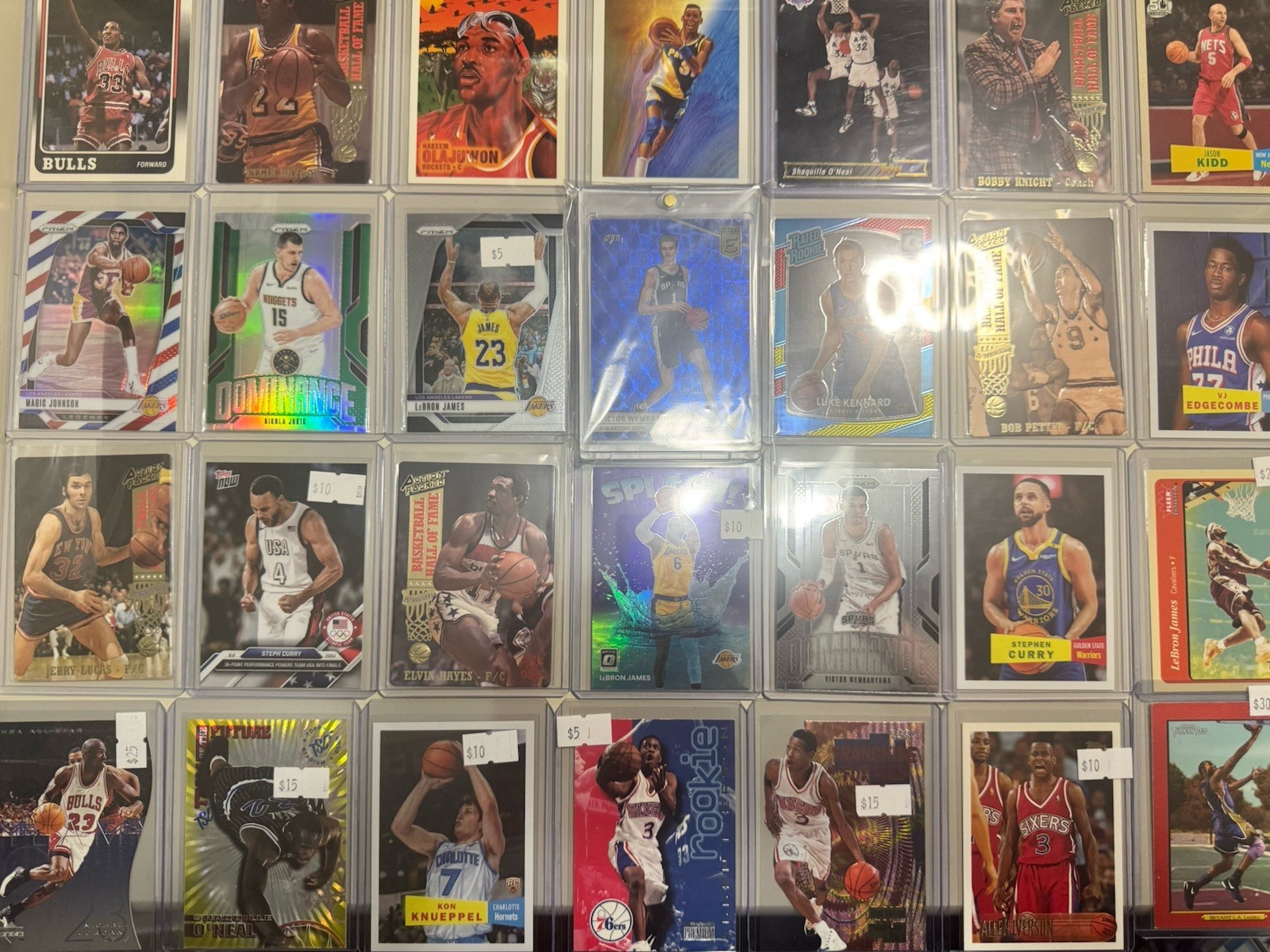
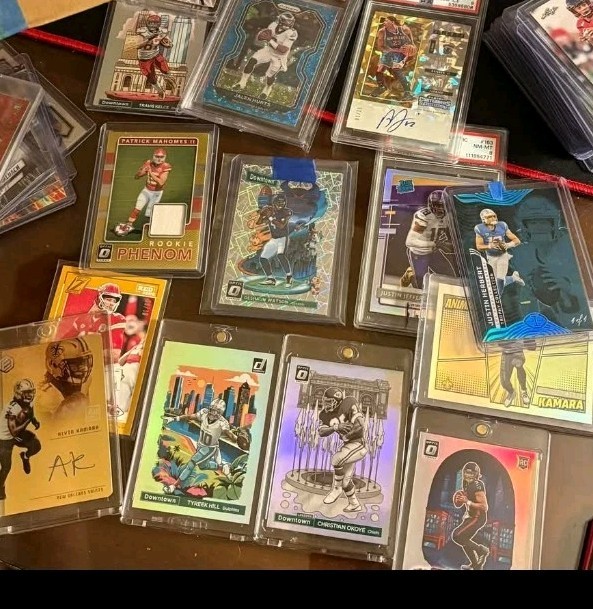


eBay links are affiliate links: JunkPal may earn a commission at no cost to you.
Resale values related to chipped corner
Shop chipped corner on eBay ↗
![Blackwing - Vayu The Emblem Of Honor [Misprint] ANPR-EN005](/api/images/junkpal-products/cards/blackwing-vayu-the-emblem-of-honor-misprint-anpr-en005-yugioh-ancient-prophecy-card/img0/thumb.webp)
![Poke Ball Tin Display [Q2 2020]](/api/images/junkpal-products/cards/poke-ball-tin-display-q2-2020-pokemon-promo-card/img0/thumb.webp)

![Kabuto [Tekno] #140](/api/images/junkpal-products/cards/kabuto-tekno-140-pokemon-2000-topps-chrome-card/img0/thumb.webp)

JunkPal may earn a commission when you buy through eBay links, at no extra cost to you.
What’s worth the most
Ranked on medians of real closed eBay sales, not asking prices.