What does “checklist item” mean?
What it means
A checklist item is a specific, measurable standard used to evaluate a trading card's quality and authenticity. These standards are documented criteria—like centering percentage, corner sharpness (e.g., "sharp corners," "rounded corners"), surface condition (e.g., "no print lines," "light scratching"), or specific print/design features. This is the objective standard against which a card is graded. It is not merely a general description of condition; it is a discrete, verifiable characteristic. A card's overall grade is derived from its performance across all applicable checklist items.
What it does to price
The presence of flawless checklist items drives value exponentially. A card meeting all high-grade criteria (e.g., perfect centering, pristine surface) can fetch 3x to 10x the price of an identical card with a single, noticeable flaw (e.g., 10% off-center). For example, a base card in a high-grade slab might command $500, while the exact same card, but with visible edge wear (a failed checklist item), might only sell for $150 loose. Minor flaws, like light surface scuffs, can reduce value by 15-30%.
How to spot it
Spotting checklist items requires magnification. Centering is measured by the distance between the image and the card borders—a common failure point. Print variations are often subtle, involving slight shifts in color saturation or text alignment between print runs; these require comparing the card against known reference images. Corner sharpness is assessed by examining the card's perimeter under direct light for nicks or whitening. Sellers must provide high-resolution, zoomed-in photos of the corners, edges, and the card's face to verify these details.
Buying smart
Paying a premium for checklist perfection is justified when the card is a cornerstone piece of a specific set or a high-demand rookie card where scarcity is high. If the card is a common chase card or a low-tier insert, the premium for perfection rarely outweighs the savings of buying a slightly flawed copy at a much lower price point. A fair deal involves the asking price being within 10-20% of the established market average for that specific grade, with the premium only justified if the card is near-perfect across all known metrics.
Selling smart
Proving the card meets the highest checklist standards is the primary driver of top-tier sales. Listing descriptions must explicitly reference the condition relative to the checklist (e.g., "Perfect centering," "No discernible print lines"). The single most effective element in a listing is a clear, high-resolution photo focusing tightly on the most vulnerable area—usually the corners or the centering measurement. This evidence allows buyers to trust the grade and justify the premium price.
On eBay right now
Current asking prices from live listings — not sold-comp medians.

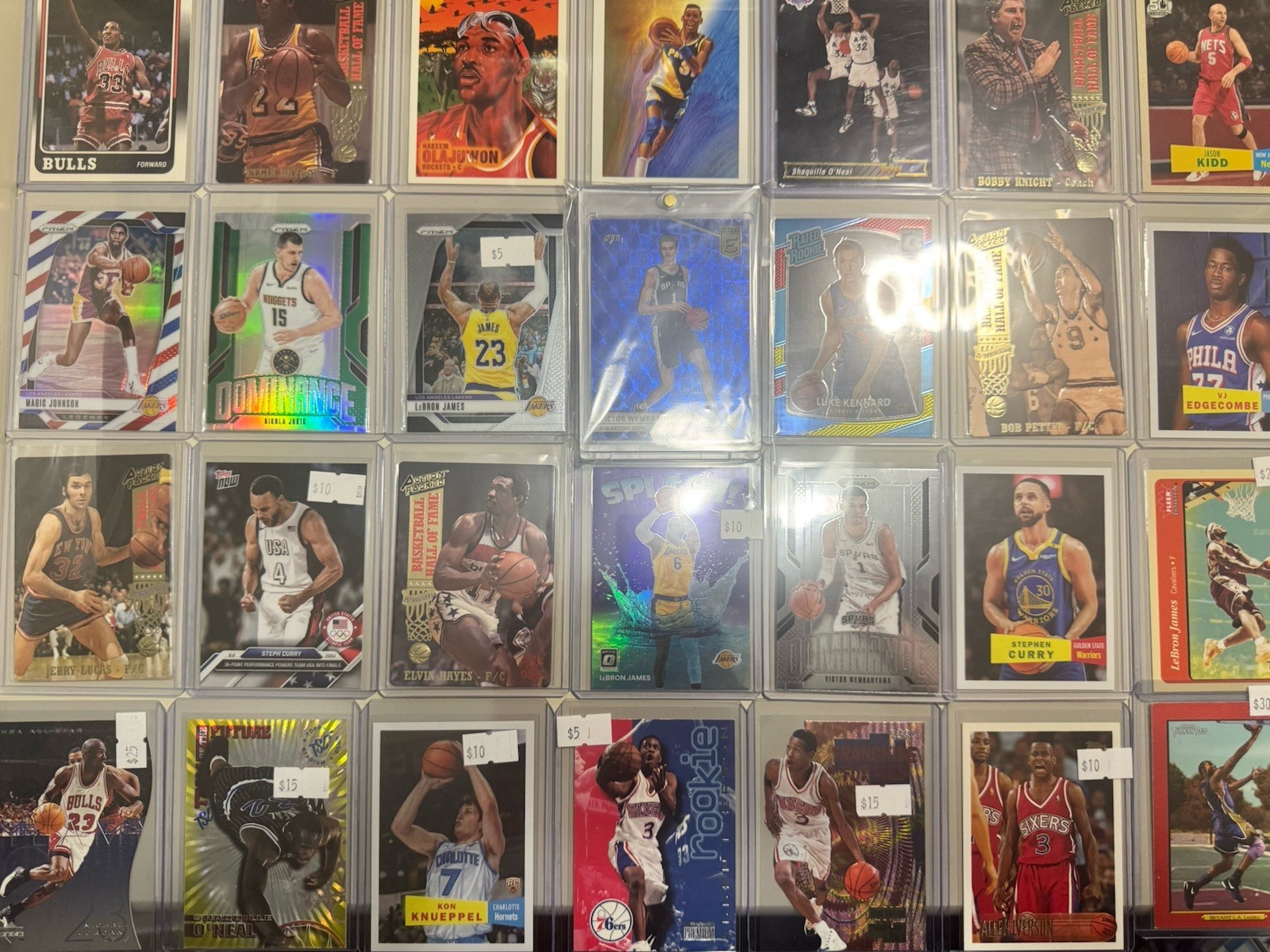
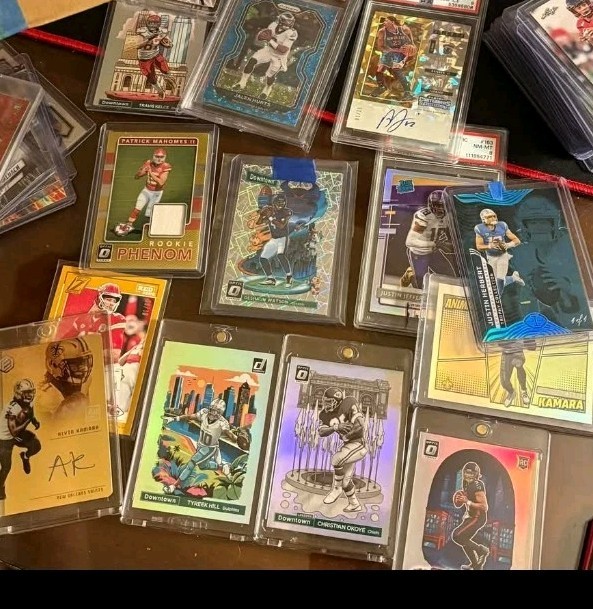


eBay links are affiliate links: JunkPal may earn a commission at no cost to you.
Resale values related to checklist item
Shop checklist item on eBay ↗

![Kabutops [Tekno] #141](/api/images/junkpal-products/cards/kabutops-tekno-141-pokemon-2000-topps-chrome-card/img0/thumb.webp)
![Zapdos [Sparkle] #145](/api/images/junkpal-products/cards/zapdos-sparkle-145-pokemon-2000-topps-chrome-card/img0/thumb.webp)
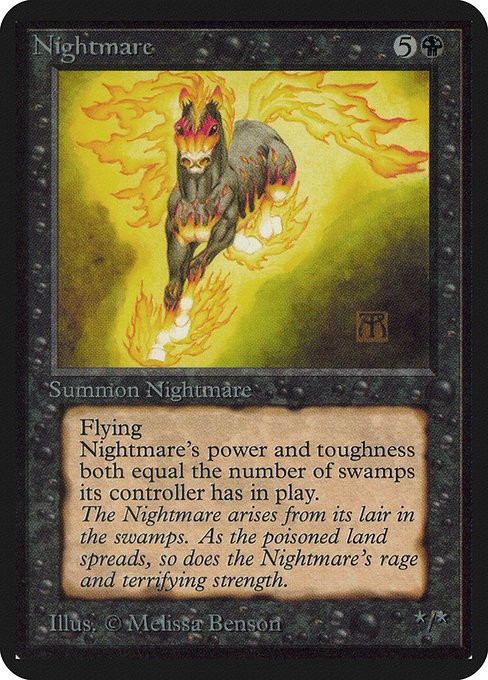

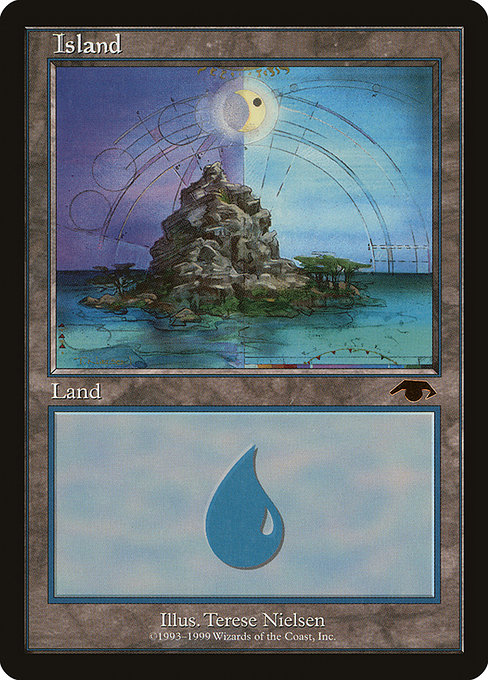
JunkPal may earn a commission when you buy through eBay links, at no extra cost to you.
What’s worth the most
Ranked on medians of real closed eBay sales, not asking prices.