What does “chase card” mean?
What it means
A chase card is a premium, low-print-run variant within a standard trading card set. It is not merely a rare card; it is a deliberately scarce item designed to drive collector interest and secondary market value. Unlike common or parallel cards, a chase card usually signifies a major production event—such as a rookie autograph, a specific insert series (e.g., "Gold Prizm"), or a unique parallel color/design. The mainstream equivalent is a high-end, limited-edition collectible item. Its scarcity is the primary driver of its value, separating it from mass-produced set cards.
What it does to price
The price differential between a common card and its chase counterpart is substantial, often ranging from 5x to 50x depending on the card's tier (e.g., a minor insert vs. a numbered rookie autograph). A standard, ungraded, loose chase card might fetch 2x to 5x the price of a comparable base card. The value escalates exponentially with professional grading. A graded, PSA 10 copy of a sought-after chase card can command prices 10x to 100x higher than the same card ungraded. A realistic example: a common card might sell for \$5; a graded, high-tier chase version of that same card could easily sell for \$500+.
How to spot it
Chase cards are identified by specific production markers. Look for card numbering (e.g., /10, /50), unique holographic patterns, or specific series names printed on the card back or front (e.g., "One of 10"). When purchasing online, demand high-resolution photos of the card's edges, corners, and any identifying print text. Common pitfalls include counterfeits, which often feature slightly off-center printing or incorrect foil application. Another mistake is confusing a high-value parallel with a low-value promotional variant; verify the specific set code.
Buying smart
Paying a premium for a chase card is justified when the card is a cornerstone piece of a highly desirable set, possesses verifiable scarcity (low print run), and has strong historical demand (e.g., rookie cards). Avoid paying top-tier prices for chase cards from sets that have already been heavily saturated or are not recognized in the collector community. A fair deal involves comparing the asking price against recent sales data for the *exact* card, not just similar cards. If the asking price is more than 3x the established market average for that grade, caution is warranted.
Selling smart
Presenting a chase card in a listing requires meticulous documentation to maximize returns. The single most impactful element is the professional, third-party grade slab. A PSA 10 or BGS 9.5 certification instantly validates the card's condition and rarity, justifying the highest price point. Beyond the grade, including a clear photo showing the card's specific numbering (e.g., "Card #1/10") in the listing description is crucial. This specific detail proves authenticity and scarcity, moving the listing from a general "rare card" to a verified, high-value asset.
On eBay right now
Current asking prices from live listings — not sold-comp medians.

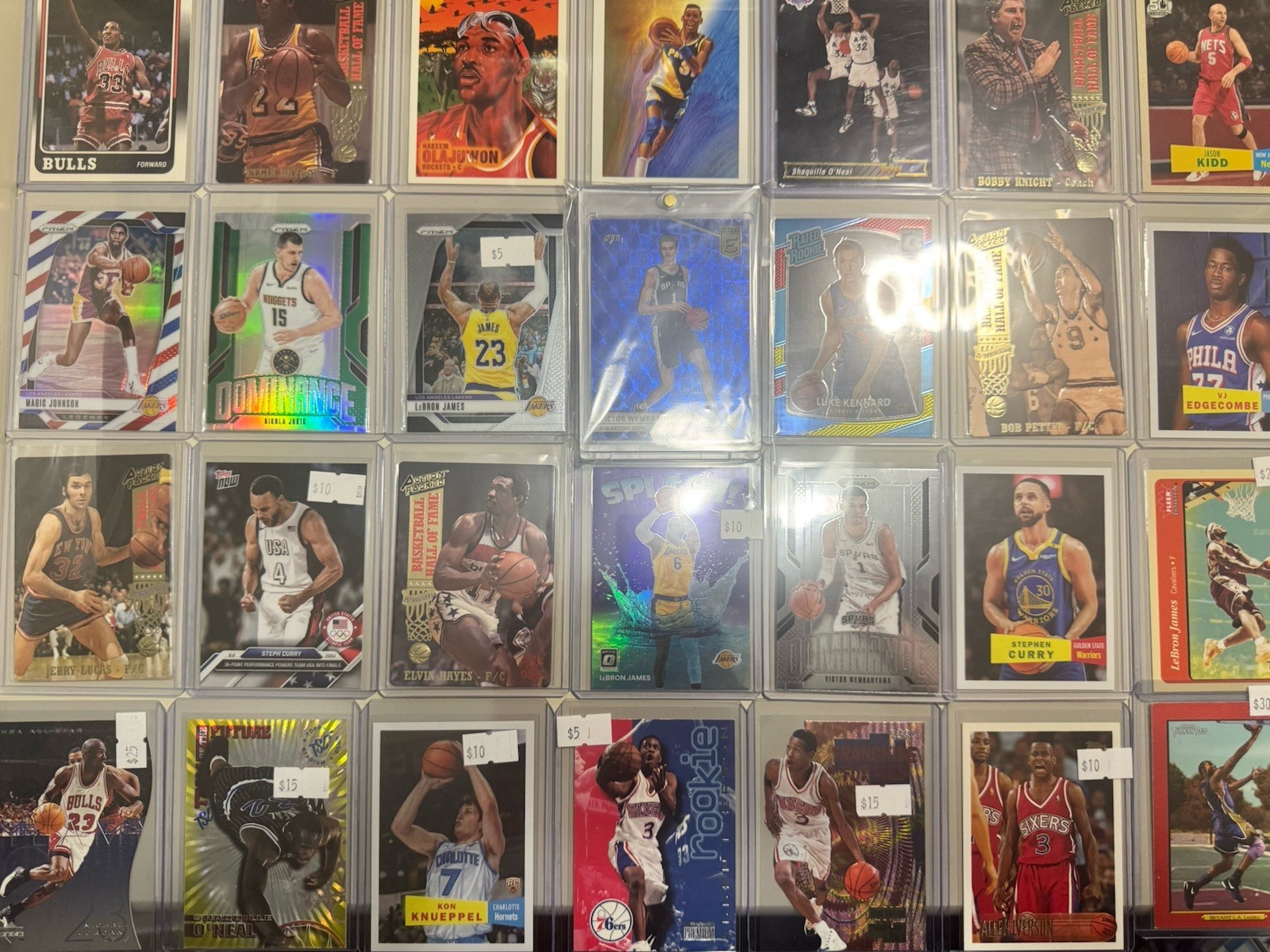
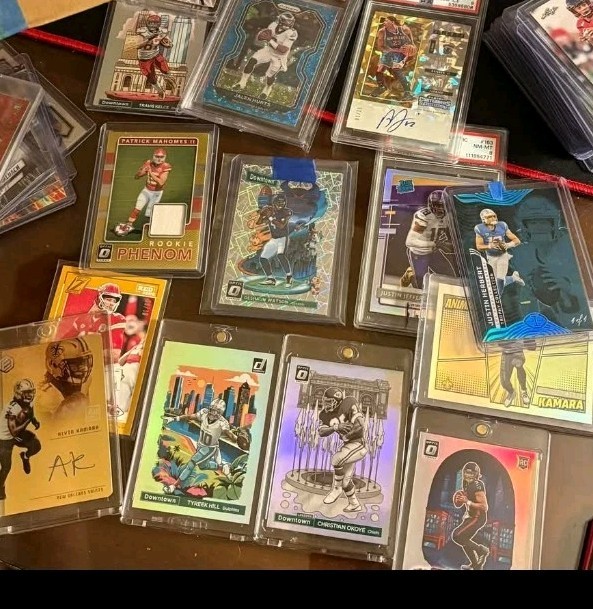

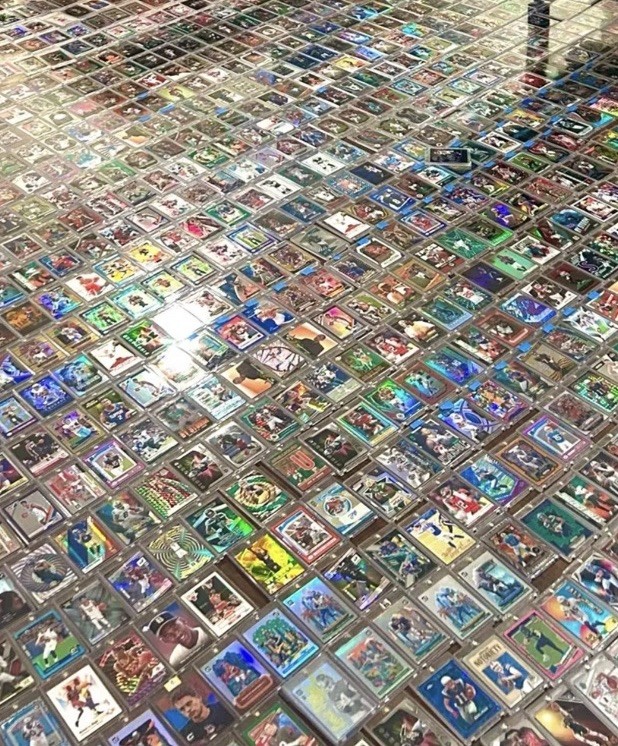

eBay links are affiliate links: JunkPal may earn a commission at no cost to you.
Resale values related to chase card
Shop chase card on eBay ↗
![Blackwing - Vayu The Emblem Of Honor [Misprint] ANPR-EN005](/api/images/junkpal-products/cards/blackwing-vayu-the-emblem-of-honor-misprint-anpr-en005-yugioh-ancient-prophecy-card/img0/thumb.webp)
![Poke Ball Tin Display [Q2 2020]](/api/images/junkpal-products/cards/poke-ball-tin-display-q2-2020-pokemon-promo-card/img0/thumb.webp)

![Kabuto [Tekno] #140](/api/images/junkpal-products/cards/kabuto-tekno-140-pokemon-2000-topps-chrome-card/img0/thumb.webp)

![Kyogre [Gold Star 1st Edition] #28](/api/images/junkpal-products/cards/kyogre-gold-star-1st-edition-28-pokemon-japanese-holon-research-card/img0/thumb.webp)
JunkPal may earn a commission when you buy through eBay links, at no extra cost to you.
What’s worth the most
Ranked on medians of real closed eBay sales, not asking prices.