What does “chain interaction” mean?
What it means
Chain interaction is a specific game mechanic where a card's ability triggers or modifies the effect of another card in a defined sequence. It is not a universal term for all card collecting; it is jargon specific to the ruleset of certain trading card games (TCGs). Mainstream equivalent: Combo potential. This mechanic requires multiple cards to function as a single, powerful unit. For collectors, understanding this is about recognizing synergy. Cards that enable complex, multi-step plays—often called "combo pieces"—are valuable because they are essential components for high-level competitive strategies.
What it does to price
Cards central to strong chain interactions command a significant premium over their standalone value. A staple combo enabler might fetch 2x to 5x the price of a functionally similar, non-synergistic card. If a card is a key piece in a dominant competitive strategy, its value is inelastic; demand remains high even if the card's printed power level is moderate. Conversely, if the interaction is niche or relies on an outdated format, the premium collapses, and the card reverts to its base market value. For example, a card that enables a known, high-tier combo might trade for $150, whereas the same card without that established combo potential might only trade for $40.
How to spot it
Spotting chain interaction requires game knowledge, not just visual inspection. Look for keywords in the card text that explicitly reference other card types or states (e.g., "when X is played," "if Y is active"). In the collecting sphere, the tell is often the card's inclusion in "deck lists" or "meta guides" for the game. Avoid cards that are visually flashy but lack any text referencing interaction; those are often purely aesthetic or weak utility pieces. Common mistakes involve misidentifying a card's secondary ability; a card that looks like a combo piece but only has a minor, single-turn effect will drastically underperform in market value.
Buying smart
Paying a premium for a chain interaction piece is justified only when the card is proven to be a core component of a currently viable, high-tier competitive strategy. If the meta has shifted and the combo is no longer functional, the premium is speculative and risky. A fair deal involves comparing the card's price against its established role in the current competitive environment. If a card is priced at 3x its base value, the buyer must verify that the combo it enables is still being used by top players in the relevant format. If the interaction is purely for casual play, the premium should be minimal.
Selling smart
Proving a card's role in a successful interaction drives immediate buyer interest and justifies higher pricing. The most effective way to signal this value is not through a single photo, but through a brief, factual caption in the listing describing the card's function within a known strategy. Use specific terminology from the game to demonstrate expertise. For instance, instead of "Good for combos," use "Essential piece for [Specific Combo Name] in Standard format." This single piece of contextual information moves the listing from a general card sale to a specialized component sale, often commanding a 15-30% uplift over non-contextual listings.
On eBay right now
Current asking prices from live listings — not sold-comp medians.

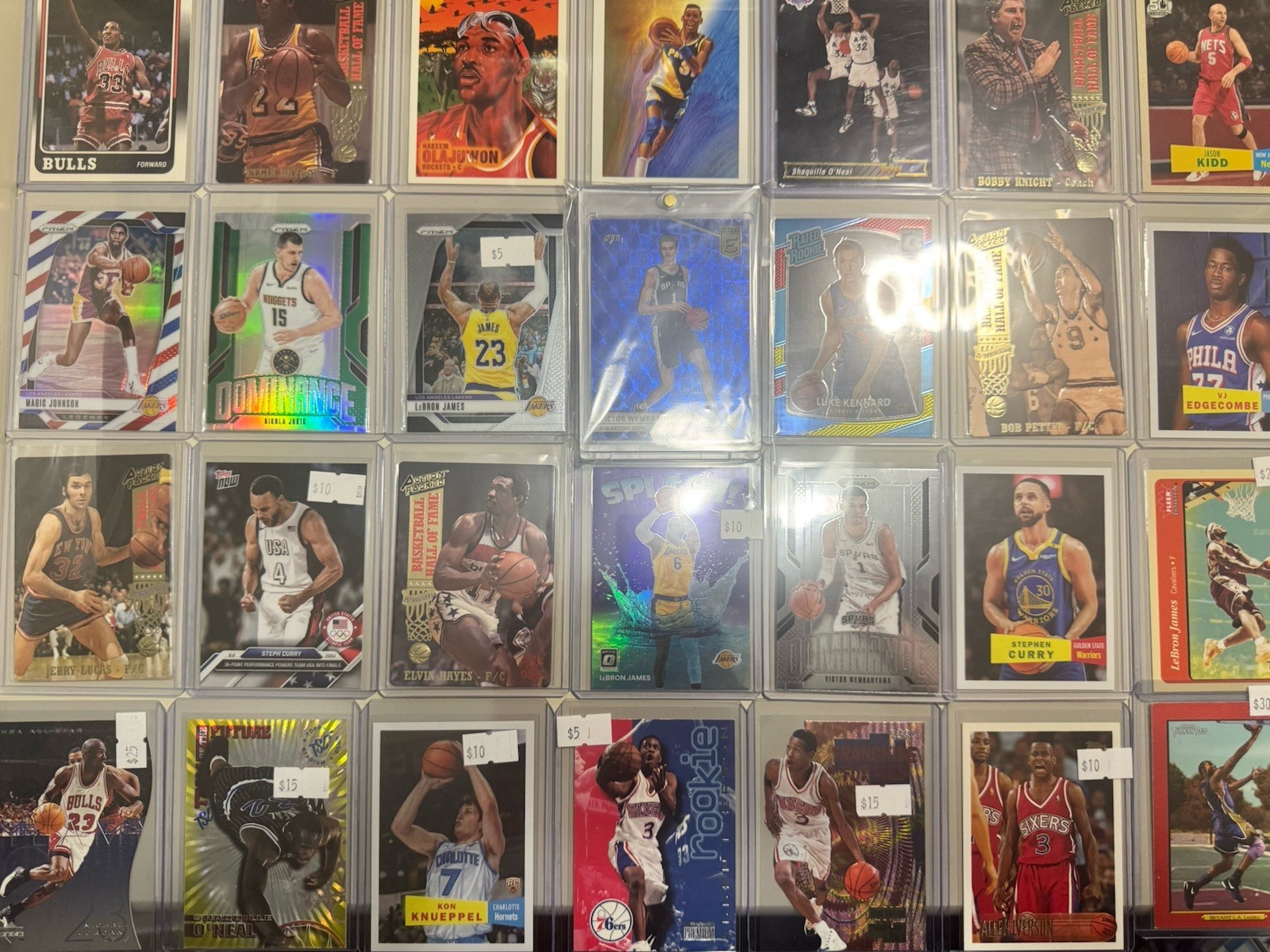
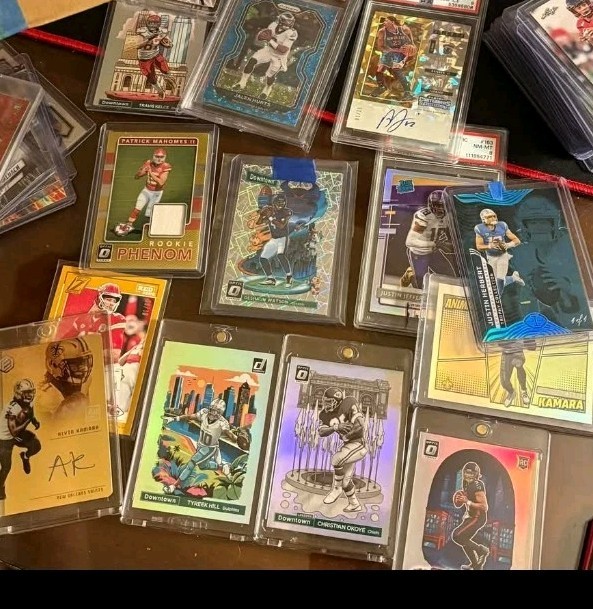



eBay links are affiliate links: JunkPal may earn a commission at no cost to you.
Resale values related to chain interaction
Shop chain interaction on eBay ↗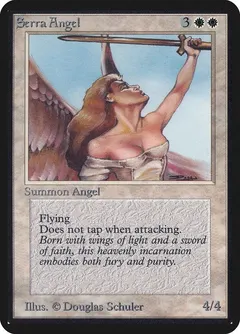
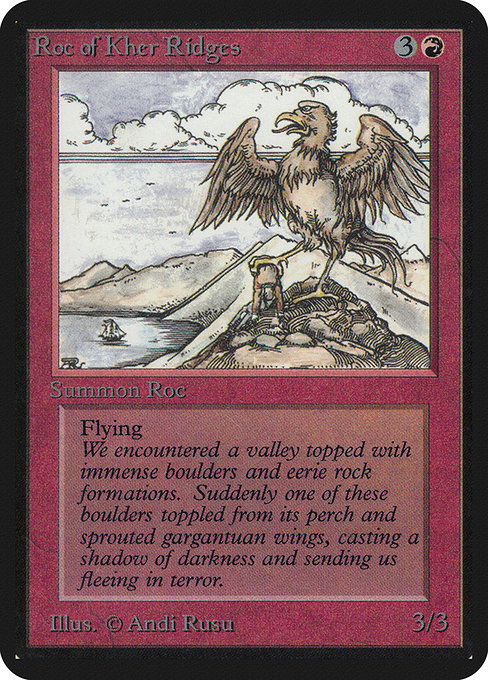


JunkPal may earn a commission when you buy through eBay links, at no extra cost to you.
What’s worth the most
Ranked on medians of real closed eBay sales, not asking prices.