What does “CGC grading” mean?
What it means
CGC grading, or more broadly, third-party grading, is the process where independent authentication companies (PSA, BGS, SGC) assess a trading card's physical condition and assign it a numerical score. This score, typically 1 to 10, quantifies attributes like centering, corner integrity, surface wear, and edge sharpness. This is the industry standard for establishing an objective condition report. The grade is not merely an opinion; it is a certified assessment of the card's preservation quality. A 10 is Gem Mint; lower scores reflect specific, documented flaws.
What it does to price
The grade acts as a direct, quantifiable multiplier on market value. A high-grade card (PSA 10 or BGS 9.5/10) can fetch 3x to 10x the price of a comparable ungraded or lower-graded version, depending on the card's rarity. For a mid-tier, popular card, moving from ungraded to a PSA 9 might add $50 to $300, depending on the card's base value. Conversely, a low grade (e.g., PSA 3) can instantly halve the potential sale price compared to a PSA 7. The grade eliminates subjective condition arguments between buyer and seller.
How to spot it
Graded cards are housed in sealed, tamper-evident plastic slabs bearing the grading company’s official logo and the assigned grade. The card itself is protected inside this rigid casing. When assessing authenticity, look for the unique certification number on the slab and verify it on the grading company's online database. Common issues include "slab damage" (minor chips or scuffs on the plastic) or "re-slabbing" (a card that was previously graded but was opened and re-graded by a different service). Always request high-resolution photos of the entire slab, focusing on the grade window and the certification number.
Buying smart
Paying a premium for a graded card is justified when the card is a high-value investment piece or when the card is extremely rare. If the card is a common or mid-tier chase card, the premium may not outweigh the cost of the grading service itself. A fair deal involves comparing the asking price of the graded card against recent sales data for the *same grade* from reputable sources. If the seller is asking for a price that exceeds the top 10% of recent sales for that specific grade, the premium is inflated.
Selling smart
Presenting a card in a graded slab is the single most effective way to maximize sale price. The slab acts as irrefutable proof of condition, immediately attracting serious, high-value buyers who rely on this objective data. In a listing, the inclusion of the slab photo, clearly showing the grade and company logo, is non-negotiable for achieving top-tier pricing. The word "Graded" or the specific grade (e.g., "PSA 9") in the title is the primary driver of premium buyers' attention.
On eBay right now
Current asking prices from live listings — not sold-comp medians.

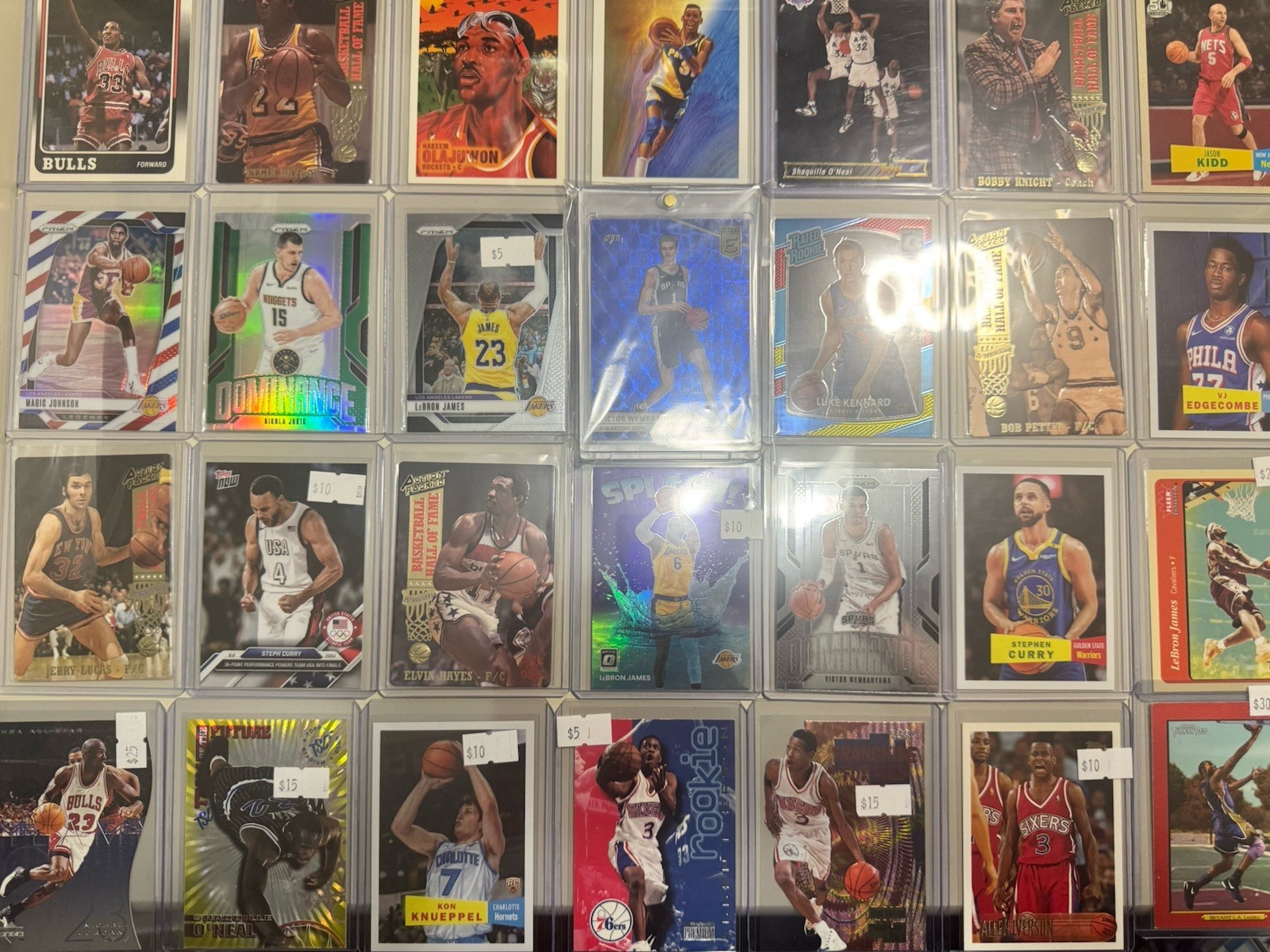
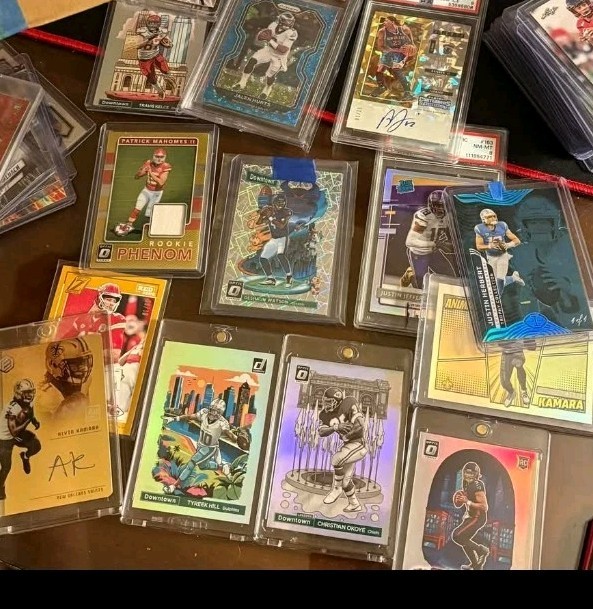


eBay links are affiliate links: JunkPal may earn a commission at no cost to you.
Resale values related to CGC grading
Shop CGC grading on eBay ↗![Mew [Sparkle] #151](/api/images/junkpal-products/cards/mew-sparkle-151-pokemon-2000-topps-chrome-card/img0/thumb.webp)
![Exeggutor [Tekno] #103](/api/images/junkpal-products/cards/exeggutor-tekno-103-pokemon-2000-topps-chrome-card/img0/thumb.webp)


JunkPal may earn a commission when you buy through eBay links, at no extra cost to you.
What’s worth the most
Ranked on medians of real closed eBay sales, not asking prices.