What does “certified” mean?
What it means
"Certified" in trading cards means an independent, recognized third-party grading service (e.g., PSA, BGS, SGC) has inspected the card. This process verifies two things: authenticity (it is not a fake) and condition (it is assigned a numerical grade, typically 1 to 10). The grade reflects specific criteria: centering, corner sharpness, surface integrity, and edge wear. This is not a manufacturer grade; it is an external, objective assessment. For the reseller, this moves the item from a subjective "looks good" assessment to a quantifiable asset standard.
What it does to price
Certification acts as a massive risk mitigation tool for buyers, which translates directly into premium pricing. A raw (ungraded) card of a popular rookie might sell for $50. The same card, graded PSA 9, can easily fetch $300 to $800, depending on demand. The jump from a PSA 9 to a PSA 10 (Gem Mint) is often exponential, sometimes 5x or more for high-demand cards. Lower grades (e.g., PSA 3 or 4) can sometimes sell for less than the raw card if the card is very scarce, as the grade signals significant damage.
How to spot it
The primary tell is the official, tamper-evident plastic holder containing the card. This holder features a unique certification number. Sellers must provide a clear photo of this number and the grade designation. Common pitfalls include "unopened" or "sealed" cards being presented as graded, or sellers using fake/replicated holders. A major honest mistake is a card being graded based on poor photography; always request high-resolution images of the card *inside* the slab, not just the label. Verify the grading company’s official website for the card's unique ID number.
Buying smart
Paying a premium for a graded card is justified when the card is a high-demand, blue-chip asset (e.g., modern superstar rookies, vintage icons) where authenticity risk is high. If the card is common or has low market liquidity, the grading fee and premium may not yield sufficient return. A fair deal involves the premium being proportional to the grade difference. If a card is graded 9 but is clearly showing edge whitening in the photos, the asking price is inflated.
Selling smart
Listing a card as "Graded PSA 10" immediately filters out casual buyers and targets serious, high-value collectors. The certification number and the official slab photo are non-negotiable inclusions in the listing photos. These elements allow the seller to command the highest tier of pricing because the buyer's due diligence is largely outsourced to the grading company. Without the slab photo, the card is merely "ungraded," and the potential price drops significantly.
On eBay right now
Current asking prices from live listings — not sold-comp medians.

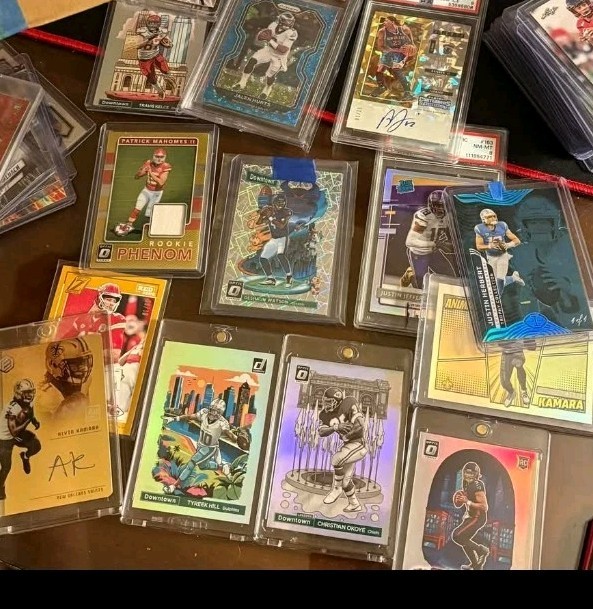


eBay links are affiliate links: JunkPal may earn a commission at no cost to you.
Resale values related to certified
Shop certified on eBay ↗

![Voltorb [Tekno] #100](/api/images/junkpal-products/cards/voltorb-tekno-100-pokemon-2000-topps-chrome-card/img0/thumb.webp)



JunkPal may earn a commission when you buy through eBay links, at no extra cost to you.
What’s worth the most
Ranked on medians of real closed eBay sales, not asking prices.