What does “centering” mean?
What it means
Centering is the uniformity of the image placement on a trading card relative to the card's physical borders. A perfectly centered card exhibits equal margins—the visible card stock or background area—on the top, bottom, left, and right edges. This is a physical attribute, not a condition grade like "Near Mint." Off-center cards have uneven margins. In the collecting niche, centering is a critical component of overall aesthetic quality, often assessed alongside surface and corner condition.
What it does to price
Centering has a direct, measurable impact on market value, especially for high-demand, low-supply cards. A card graded 90+ by professional services (PSA, BGS) typically requires a centering score of 90 or better. If a card is otherwise perfect (perfect corners, no surface wear) but is significantly off-center (e.g., 60/40), its value can drop by 30% to 50% compared to a perfectly centered copy. For example, a highly sought-after rookie card that is 10 points off center might sell for $150 loose, whereas a perfectly centered version might command $250. Poor centering is a major discount factor.
How to spot it
Centering is best judged using a physical centering gauge, which overlays a standard ratio onto the card. Visually, look for the image's focal point. If the image appears "tilted" or "pulled" toward one side, it is off-center. For digital assessment, request high-resolution photos showing the entire card, ideally taken straight-on with no lens distortion. Common issues include poor die-cutting during production or slight shifts during the printing process. Fakes are rare regarding centering; this is usually an honest manufacturing variance.
Buying smart
Paying a significant premium for centering is justifiable only when the card is otherwise flawless and the centering is near-perfect (90+). If the card is a mid-tier, low-demand card, the premium for perfect centering is rarely worth the extra cost. If a card is heavily worn or has minor surface scratches, the cost of achieving perfect centering is irrelevant; the card's overall grade dictates the price. A fair deal involves the asking price reflecting the actual centering score, not just the card's rarity.
Selling smart
When listing, providing objective proof of centering elevates the perceived value. Do not rely on subjective descriptions like "good centering." Instead, include a photo taken through a centering gauge, or state the centering percentage (e.g., "Centering: 85/15"). This shifts the discussion from opinion to verifiable data. If the centering is excellent, this detail justifies a higher asking price, as it removes the primary point of contention for serious buyers.
On eBay right now
Current asking prices from live listings — not sold-comp medians.



eBay links are affiliate links: JunkPal may earn a commission at no cost to you.
Resale values related to centering
Shop centering on eBay ↗
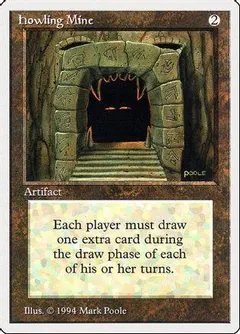
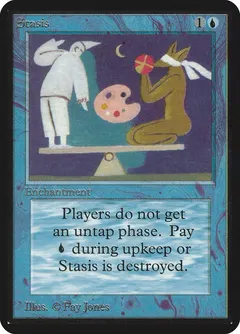
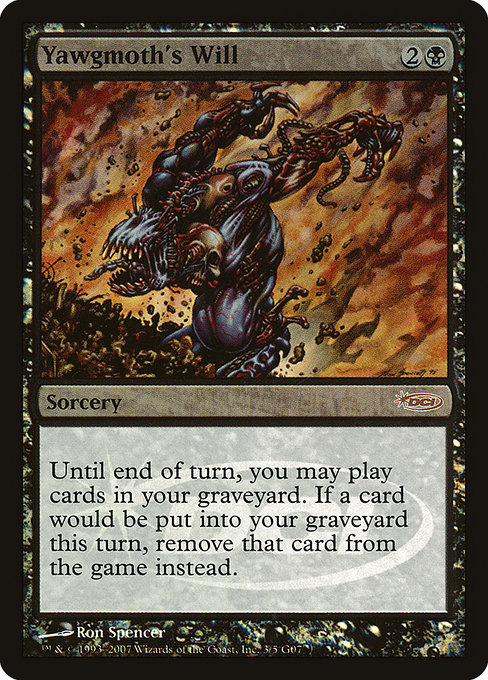
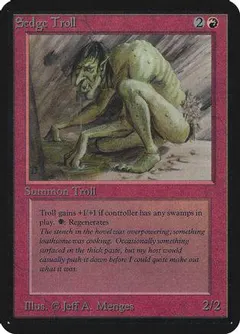

![Chansey [Sparkle] #113](/api/images/junkpal-products/cards/chansey-sparkle-113-pokemon-2000-topps-chrome-card/img0/thumb.webp)
![Mewtwo [Sparkle] #150](/api/images/junkpal-products/cards/mewtwo-sparkle-150-pokemon-2000-topps-chrome-card/img0/thumb.webp)
JunkPal may earn a commission when you buy through eBay links, at no extra cost to you.
What’s worth the most
Ranked on medians of real closed eBay sales, not asking prices.