What does “case grade” mean?
What it means
Case grade is the official numerical assessment and sealing of a trading card by an authorized third-party grading service (e.g., PSA, BGS, SGC). The service evaluates the card against strict criteria: centering (how well the image is framed), corners (sharpness and chipping), edges (wear along the perimeter), and surface condition (print quality, scratches, print lines). The resulting grade is a standardized score, typically 1 to 10. This numerical rating serves as an objective measure of the card's preservation state, replacing subjective opinions on condition.
What it does to price
The grade is a primary driver of value. A difference between a raw (ungraded) card and a PSA 10 (Gem Mint) version of the same card can result in multipliers ranging from 3x to 10x, depending on the card's inherent rarity. For a common modern chase card, a difference between a raw 8 and a graded 9 might add $15 to $40. For a high-end vintage rookie, the difference between a raw 6 and a graded 10 can easily be $500 to $3,000+. Higher grades reduce perceived risk for the buyer, justifying the premium.
How to spot it
Graded cards arrive in a sealed, tamper-evident plastic slab bearing the grading company's logo and the assigned grade. The slab includes a unique certification number. Sellers must provide clear, high-resolution photos of the slab itself, showing the grade and the certification number clearly. Common issues include "slab damage" (minor scuffs on the plastic) or misrepresentation, where a seller claims a card is graded when it is not. Fakes are rare for the slab itself, but the card inside can be swapped; always cross-reference the card details with the grading company's public database using the certification number.
Buying smart
Paying a premium for a case grade is worthwhile when the card is a blue-chip investment piece, a highly sought-after rookie, or when the card is known to be highly susceptible to condition degradation (e.g., vintage wax-paper-era cards). It is not worth the premium for low-value, common cards where the grade difference is negligible. A fair deal involves comparing the graded price against recent sales data for that specific card/grade combination on major auction sites. If the asking price exceeds the established market average by more than 25% without justification (e.g., a confirmed high-end provenance), the deal is likely inflated.
Selling smart
Listing a graded card instantly streamlines the sales process by removing condition debate. The grade itself acts as the primary selling feature. The most effective listing element is a clear, centered photo of the *entire sealed slab*, ensuring the grade and certification number are legible. Adding the phrase "PSA 10 Certified" or "BGS 9.5" in the title is standard practice. This single piece of verifiable data allows the seller to command the highest tier of market pricing, as buyers are purchasing certainty, not just the card itself.
On eBay right now
Current asking prices from live listings — not sold-comp medians.

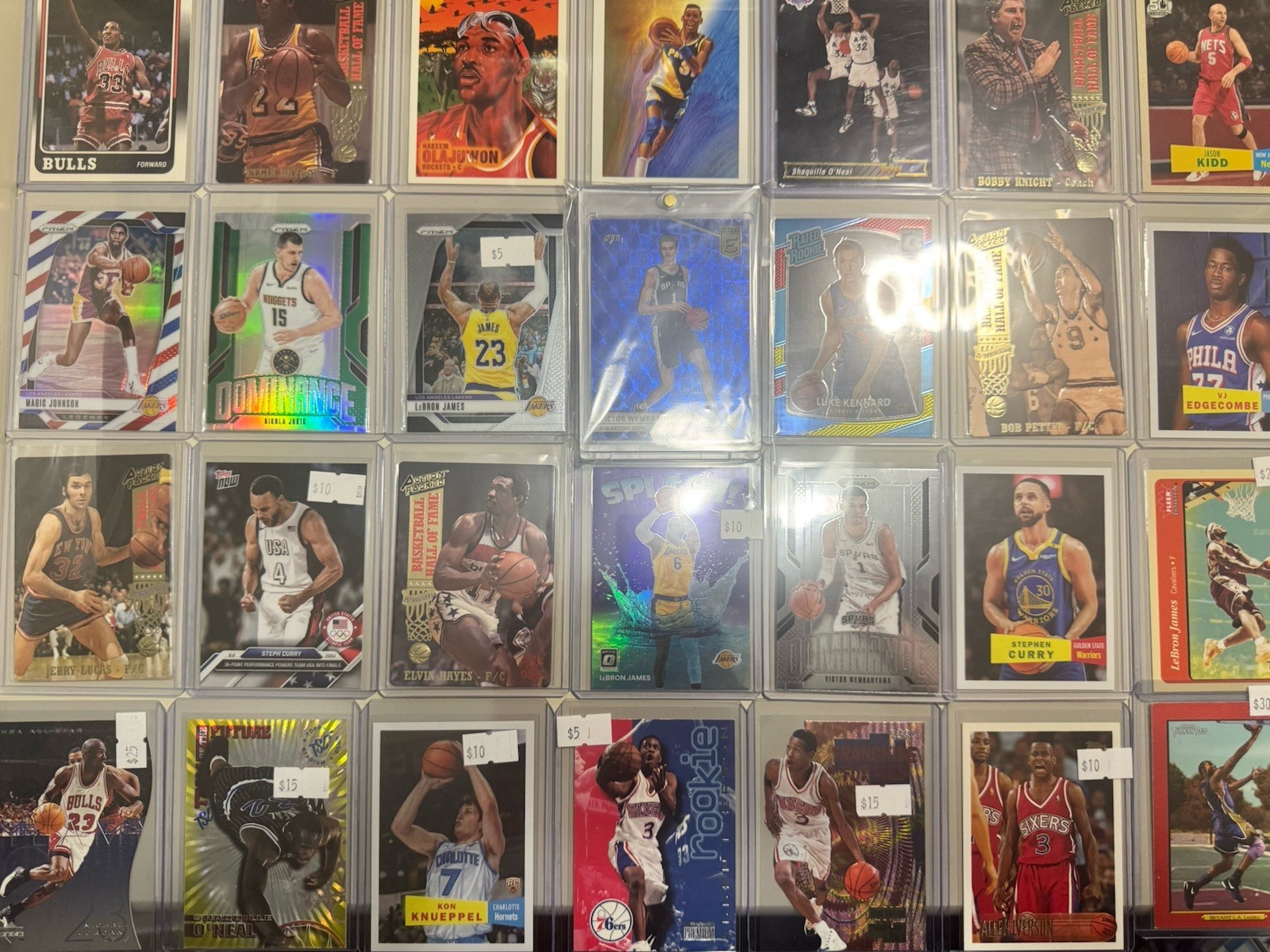
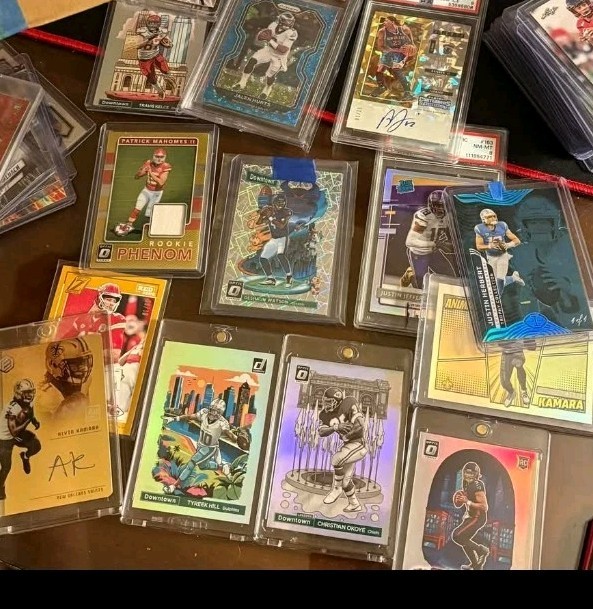


eBay links are affiliate links: JunkPal may earn a commission at no cost to you.
Resale values related to case grade
Shop case grade on eBay ↗



![Dark Dragonite [Reverse Holo] #5](/api/images/junkpal-products/cards/dark-dragonite-reverse-holo-5-pokemon-legendary-collection-card/img0/thumb.webp)
![Magikarp [Sparkle] #129](/api/images/junkpal-products/cards/magikarp-sparkle-129-pokemon-2000-topps-chrome-card/img0/thumb.webp)
JunkPal may earn a commission when you buy through eBay links, at no extra cost to you.
What’s worth the most
Ranked on medians of real closed eBay sales, not asking prices.