What does “card variation” mean?
What it means
Card variation is any discernible difference between two or more production runs or versions of the identical base card design. This goes beyond simple parallel sets (e.g., Gold vs. Silver) and encompasses manufacturing deviations. These differences can be material (a change in the card's primary artwork or text) or non-material (a subtle shift in the holographic foil alignment, a specific print registration error, or a change in the card stock thickness). For the market, a variation is a distinct SKU (Stock Keeping Unit) that collectors track. The mainstream equivalent is "versioning," but in card collecting, the focus is often on the *deviation* from the standard.
What it does to price
Variations create tiered value structures. A genuine, documented error (e.g., a miscut or a missing piece of text) can command multipliers of 10x to 100x the standard card's price, depending on its rarity. A minor, non-impactful variation (like a slight color shift in a specific printing batch) might only add 1.1x to 1.5x the base price. Conversely, an unlisted, common variant might hold no premium over the standard. For example, if a standard card sells for $10, a verifiable, scarce print error might sell for $500 or more, while a common color shift might sell for $12.
How to spot it
Spotting variations requires close examination, often under magnification. Look for specific identifiers: unique batch codes printed on the card's back, subtle differences in the texture or sheen of the foil application, or discrepancies in the typography of the card text. If the card has a holographic element, examine the pattern under different light sources; slight shifts in the foil's refractive pattern constitute a variation. Always request high-resolution, well-lit photos of the front and back, specifically focusing on areas where the variation is alleged to exist. Be wary of sellers claiming "minor variations" without providing verifiable evidence.
Buying smart
Paying a significant premium for a variation is justified only when the variation is documented, recognized by grading services (PSA, BGS), and has a proven track record of scarcity. If the alleged variation is subjective or easily replicated by a casual print run, the premium is inflated speculation. A fair deal involves the seller providing photographic proof that matches established examples of the variation. If the difference is microscopic and the market consensus is weak, buying the standard card is the safer, more cost-effective move.
Selling smart
To maximize return, the variation must be clearly and accurately identified in the listing title and description. Do not use vague terms; specify the exact nature of the deviation (e.g., "Error Print - Misaligned Logo"). If the variation is rare, include comparative photos showing the difference between the standard and the variant. The single most valuable asset in a listing is a clear, high-resolution photo that isolates the variation, allowing a buyer to immediately confirm the premium status without needing to trust the seller’s description alone.
On eBay right now
Current asking prices from live listings — not sold-comp medians.

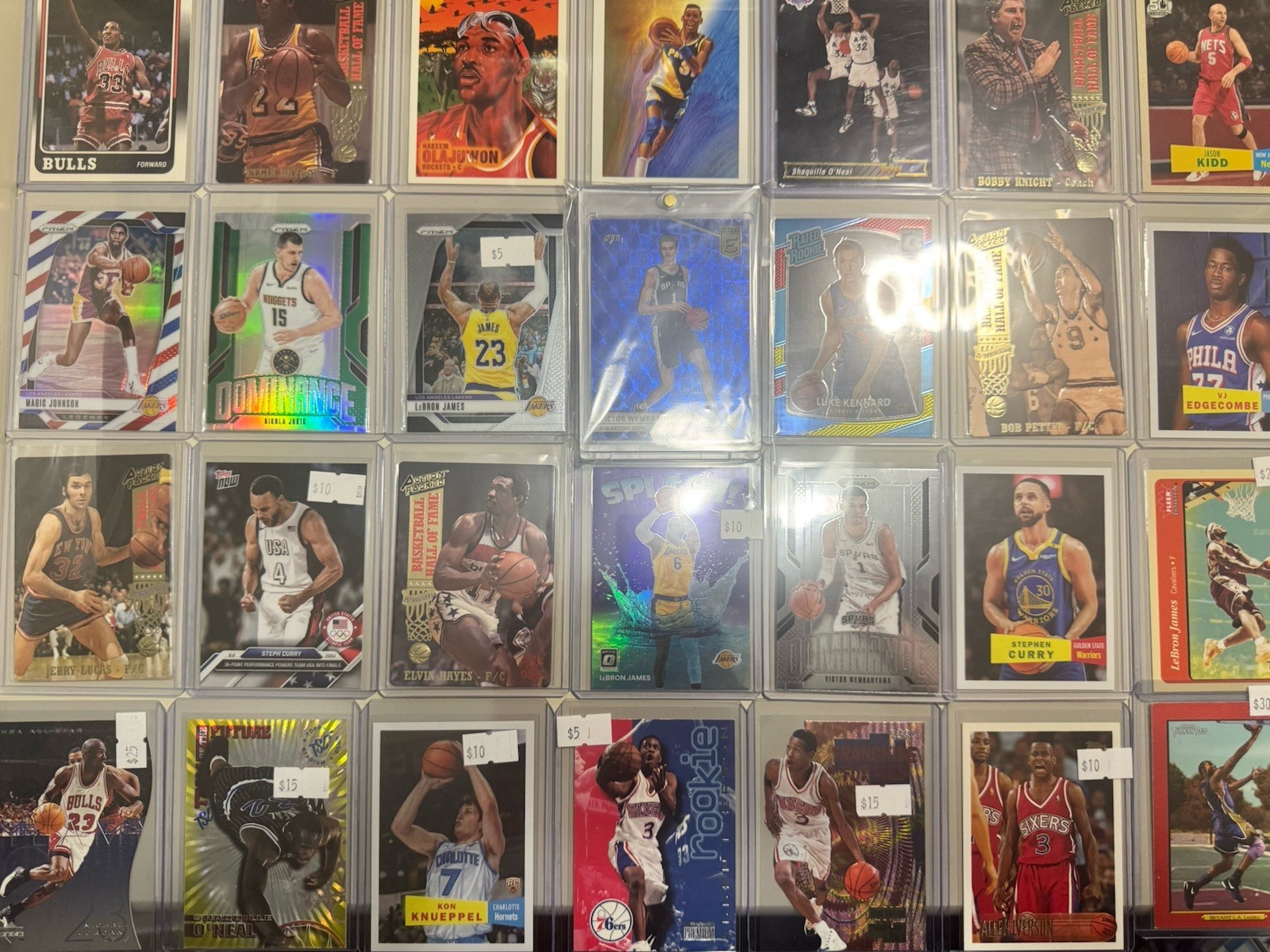
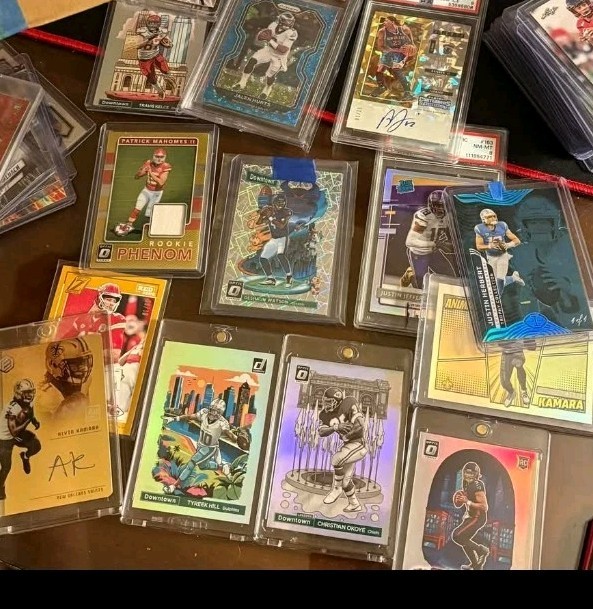

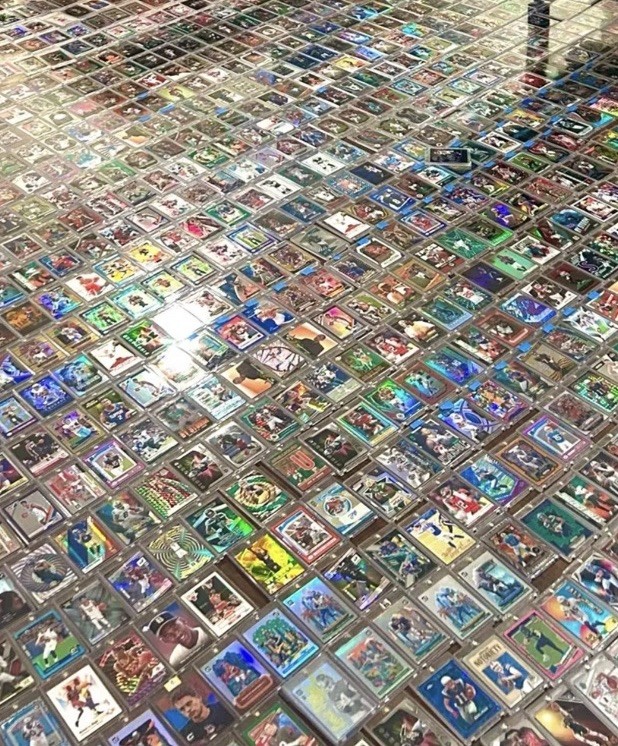

eBay links are affiliate links: JunkPal may earn a commission at no cost to you.
Resale values related to card variation
Shop card variation on eBay ↗


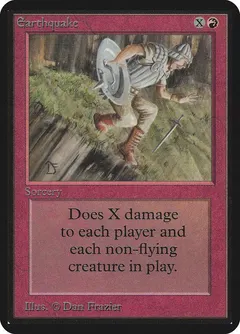

JunkPal may earn a commission when you buy through eBay links, at no extra cost to you.
What’s worth the most
Ranked on medians of real closed eBay sales, not asking prices.