What does “card type identifier” mean?
What it means
A card type identifier is the specific printed or inherent designation on a trading card that defines its collectible status beyond the basic player or set. This designation acts as a shorthand for the card's manufacturing variation. Mainstream equivalents include "version number," "finish type," or "edition designation." These identifiers categorize cards into tiers such as parallels (e.g., "Refractor," "Gold," "Prizm"), numbered subsets (e.g., "/10," "/50"), or specific promotional inclusions. It is not merely a description; it is a market-facing classification system dictating scarcity and intended collector appeal.
What it does to price
Identifiers directly correlate to scarcity and demand, creating immediate price tiers. A standard base card serves as the baseline value (1.0x). A common parallel, such as a basic "Silver Refractor," typically commands a 2x to 4x multiplier over the base card, depending on the player's popularity. Numbered cards are highly sensitive; a rookie card numbered to /5 is exponentially more valuable than a /100. For instance, a standard base card of a mid-tier player might sell for $10 loose. The same card, if it possesses a "Gold Parallel" identifier, could realistically fetch $35 to $75, depending on the card's overall market heat.
How to spot it
Identifiers are found in several locations. The most common placement is on the card face, often near the card number or in the upper corner, usually as a foil pattern or a specific text overlay (e.g., "Prizm Gold"). Numbering is always printed clearly, often near the bottom border (e.g., "1/10"). Sellers must provide high-resolution images showing the entire card surface, particularly the area where the identifier is printed. Common mistakes include confusing a standard foil pattern with a true, intentional parallel identifier, or mistaking a minor print variation for a high-tier numbered insert.
Buying smart
Paying a premium for an identifier is justified only when the card's base value is already strong, or when the identifier itself is historically significant (e.g., a short-printed rookie parallel). If the card is a low-tier player, the premium associated with a rare identifier may not yield a sufficient return on investment. A fair deal involves the premium price reflecting the known scarcity of that specific identifier relative to the card's overall market demand. If the difference between the base card price and the identified version price is less than 50% of the base card's value, the premium is likely inflated.
Selling smart
Listing the card with a precise, verifiable identifier is non-negotiable for maximizing sale price. Ambiguity forces the buyer to assume the lowest possible value. The single most effective element in a listing is a macro photograph that clearly captures the identifier—be it the specific foil pattern, the exact numbering, or the text designation—in sharp focus. Using the correct terminology (e.g., "Numbered Rookie /5" instead of "Rare Card") immediately qualifies the listing for higher-tier buyers who filter by these specific codes.
On eBay right now
Current asking prices from live listings — not sold-comp medians.

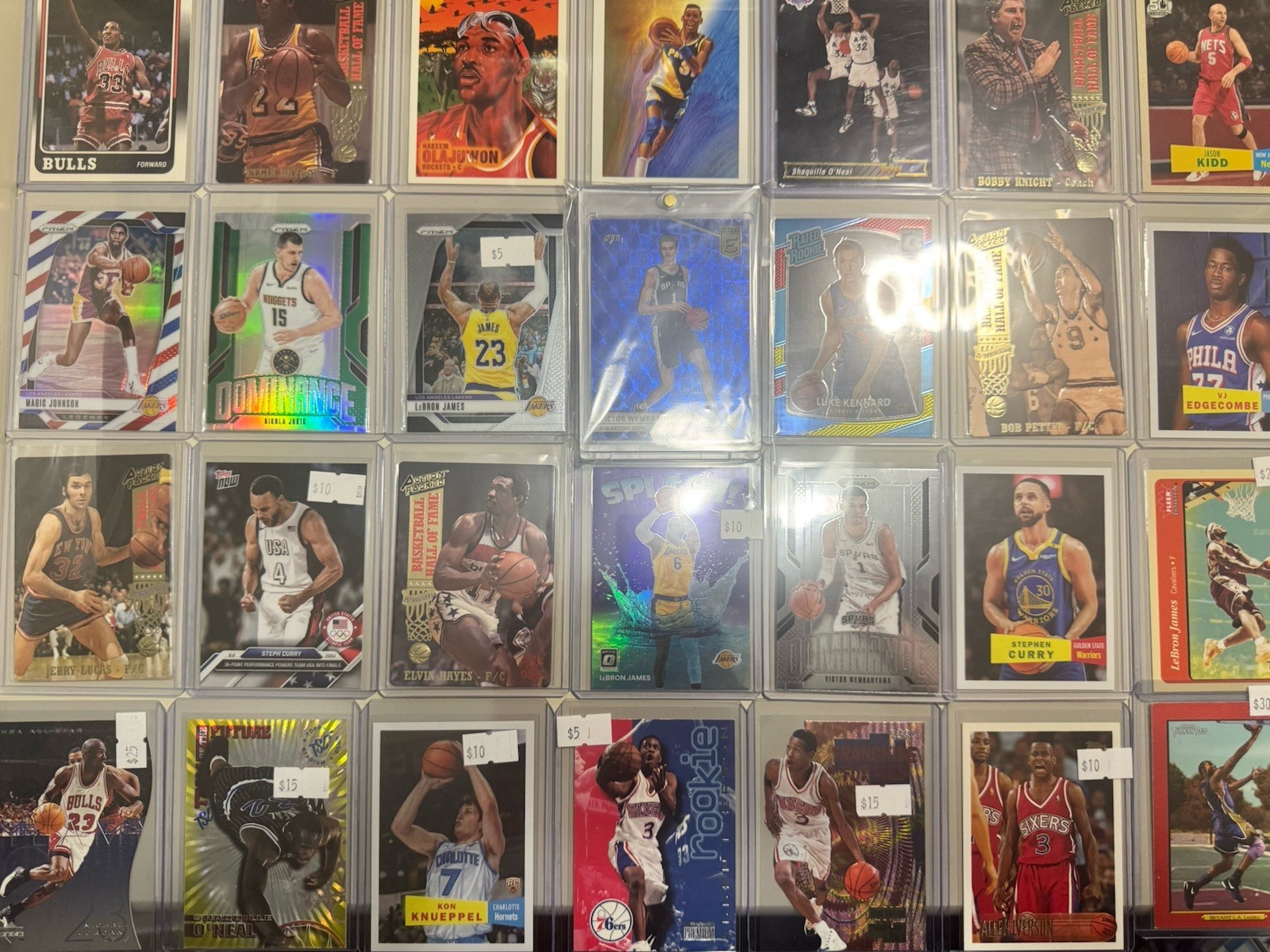
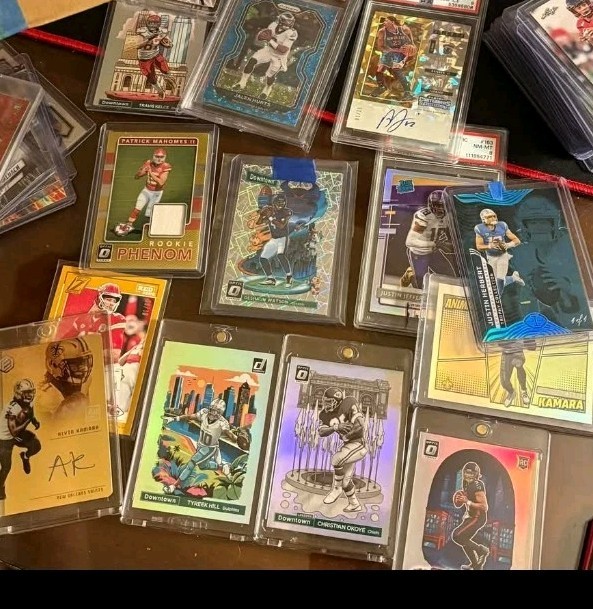

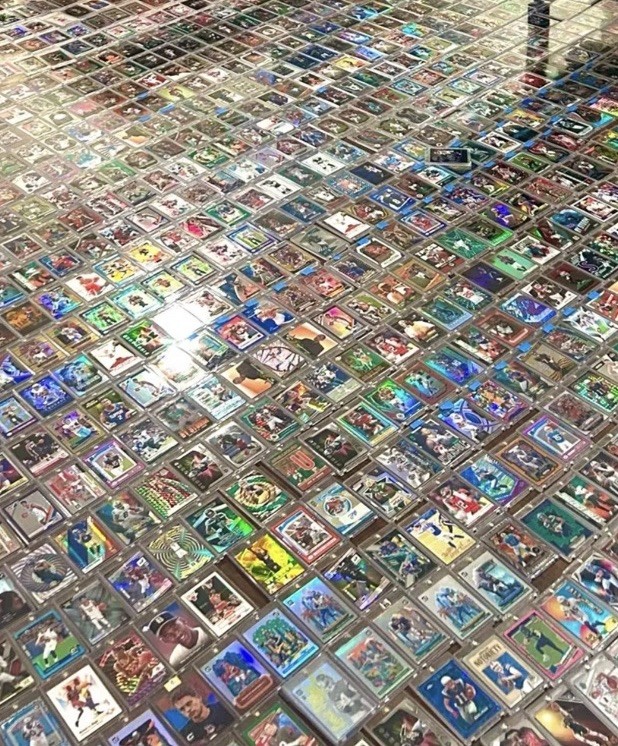

eBay links are affiliate links: JunkPal may earn a commission at no cost to you.
Resale values related to card type identifier
Shop card type identifier on eBay ↗


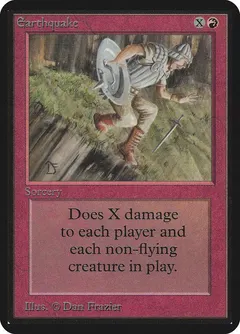
JunkPal may earn a commission when you buy through eBay links, at no extra cost to you.
What’s worth the most
Ranked on medians of real closed eBay sales, not asking prices.