What does “card text accuracy” mean?
What it means
Card text accuracy is the exact reproduction of all printed data on a trading card. This includes card names, ability text, set symbols, rarity indicators, and flavor text. In the collecting niche, this is not merely about aesthetics; it defines the card's functional identity. A discrepancy—a typo, a swapped number, or an incorrect symbol—changes the card's official status. The mainstream equivalent is data integrity. Minor text errors downgrade the card from standard stock to a potential "error variant," which operates in a separate, specialized market segment.
What it does to price
Perfect text accuracy is foundational to achieving high-grade pricing. A card with verified, flawless text commands top-tier pricing within its grade bracket. A card with a known, minor print error can see a 20% to 100%+ premium *if* the error is recognized and desired by collectors. Conversely, a card with an unverified or obvious text error is immediately discounted, often losing 30% or more of its standard market value because its authenticity as a standard issue is questionable. For example, a common chase card with a verifiable typo might sell for $15 loose, whereas the exact, correct version sells for $35.
How to spot it
Spotting accuracy requires close inspection of high-resolution images. Key areas to check include the card name and the text box detailing abilities or stats. Look for subtle differences in font weight or spacing, which can indicate different print runs or intentional errors. Sellers should provide macro shots of the text fields. Common issues include misaligned text blocks or incorrect set numbering on the card frame. Honest mistakes are often simple typos (e.g., "power" instead of "power level"), while fakes might alter symbols or ability wording to mimic a more valuable version.
Buying smart
Paying a premium for text accuracy is warranted when purchasing high-grade, investment-grade cards (PSA 10/BGS 9.5 and above). At this level, the buyer is paying for certified perfection, and text accuracy is a baseline requirement for that certification. It is not worth paying a premium for minor text corrections on low-grade, common stock. A fair deal means the listed price reflects the known, verified text state. If a seller claims "perfect text" but provides blurry photos, the price is inflated until proof is supplied.
Selling smart
Proving text accuracy directly supports the highest possible valuation. When listing, the seller must provide macro photographs specifically focused on the text blocks, not just the front of the card. A single, clear photo zooming in on the ability text or set symbol acts as verifiable proof. This documentation allows the seller to confidently list the card at the top end of the market average, as the buyer faces no risk of purchasing a misprinted or flawed piece. This proof shifts the card from being "a card" to being "a verified, perfect specimen."
On eBay right now
Current asking prices from live listings — not sold-comp medians.

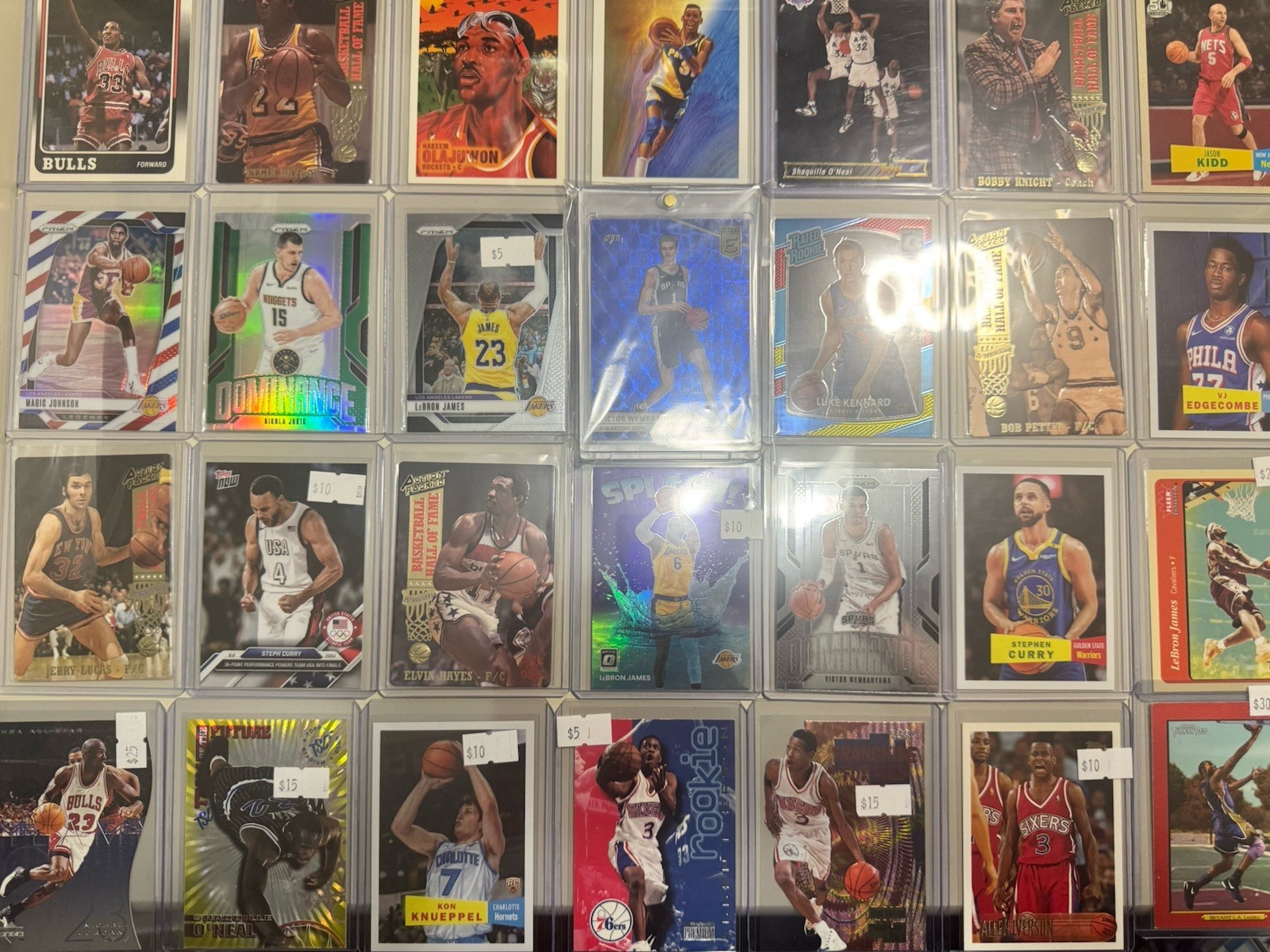
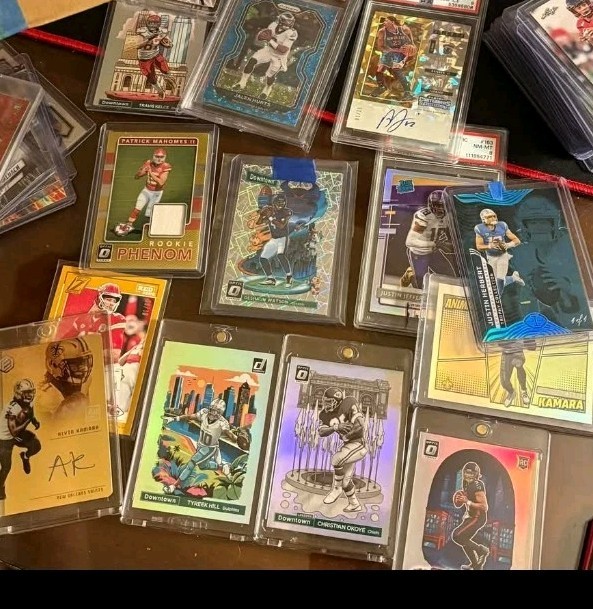



eBay links are affiliate links: JunkPal may earn a commission at no cost to you.
Resale values related to card text accuracy
Shop card text accuracy on eBay ↗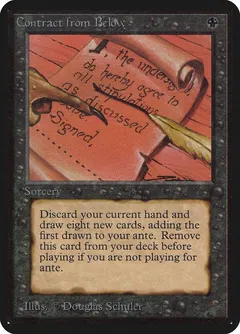

![Island [Alt Art]](/api/images/junkpal-products/cards/island-alt-art-magic-summer-edition-card/img0/thumb.webp)
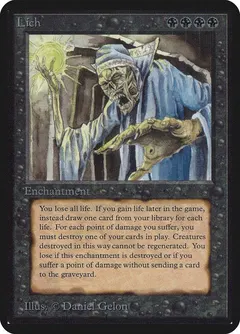
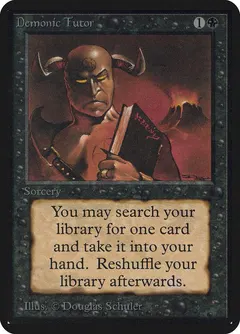
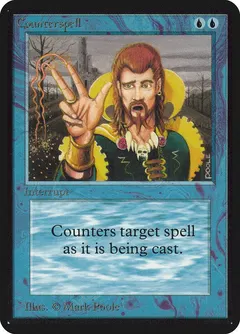
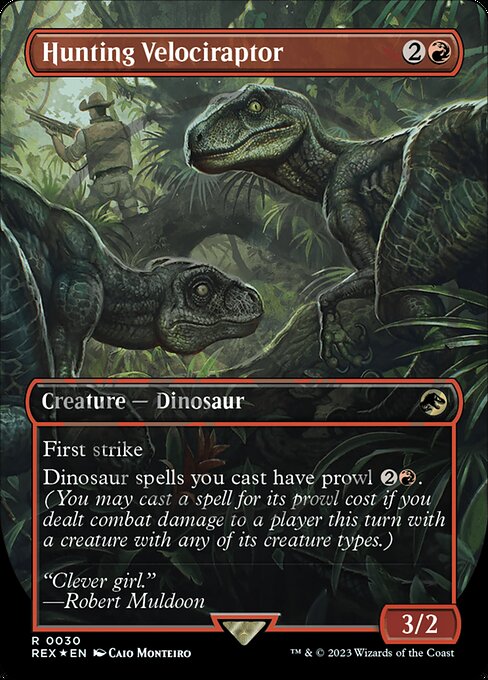

JunkPal may earn a commission when you buy through eBay links, at no extra cost to you.
What’s worth the most
Ranked on medians of real closed eBay sales, not asking prices.