What does “card stock” mean?
What it means
Card stock is the substrate—the specific paper or card material—used to manufacture a trading card. It is not merely "paper"; it refers to the weight (measured in points or GSM), caliper (thickness), and composition of the card. Different manufacturers, printing processes, and production runs utilize distinct stocks. A high-quality stock is typically thicker, more rigid, and resists creasing and corner wear better than thin, flimsy stock. In the context of collecting, stock quality is a physical attribute that speaks to the manufacturing standard of the set.
What it does to price
Stock quality is a secondary, but measurable, factor in valuation. A card printed on noticeably heavy, dense stock from a premium set can command a 10-25% premium over an identical card printed on thin, brittle stock from a budget release. Conversely, stock degradation—such as noticeable yellowing, warping, or brittleness—can negatively impact grade potential and reduce market value by 5-15% if the wear is severe. For example, a vintage rookie card printed on noticeably brittle, thin stock might sell for $50 less than the same card printed on thick, resilient stock, even if both are in the same near-mint condition.
How to spot it
Inspection requires close examination, often under magnification. Look for consistent ink absorption; high-quality stock absorbs ink evenly. Check the edges and corners for microscopic chipping or fuzziness, which indicates a low-grade cut or poor material handling. For vintage cards, compare the perceived weight and texture against known, authenticated examples from the same year and manufacturer. A common mistake is confusing print quality with stock quality; poor printing (misregistration) is different from poor material (thin stock). Sellers should provide high-resolution photos showing the card edge profile.
Buying smart
Paying a premium for superior stock is justifiable when the card is a high-tier, scarce asset (e.g., a chase rookie or centerpiece card from a premium set). If the stock is demonstrably superior, it suggests better long-term preservation potential. However, paying a significant premium solely for stock quality on a common or low-value card is rarely worth the investment. A fair deal recognizes the stock as a condition enhancer, not the primary value driver. If the stock is weak but the card is otherwise perfect, the price premium should be minimal.
Selling smart
Documenting the stock quality in the listing description adds credibility and can justify a higher asking price, particularly for high-value items. Use precise language: "Thick, heavy-gauge stock" or "Premium, rigid card stock." The single most effective visual proof is a high-resolution, straight-on photo of the card edge, allowing the buyer to visually assess the thickness and uniformity of the material. Stating the stock quality preempts buyer questions and establishes the item's manufacturing pedigree.
On eBay right now
Current asking prices from live listings — not sold-comp medians.

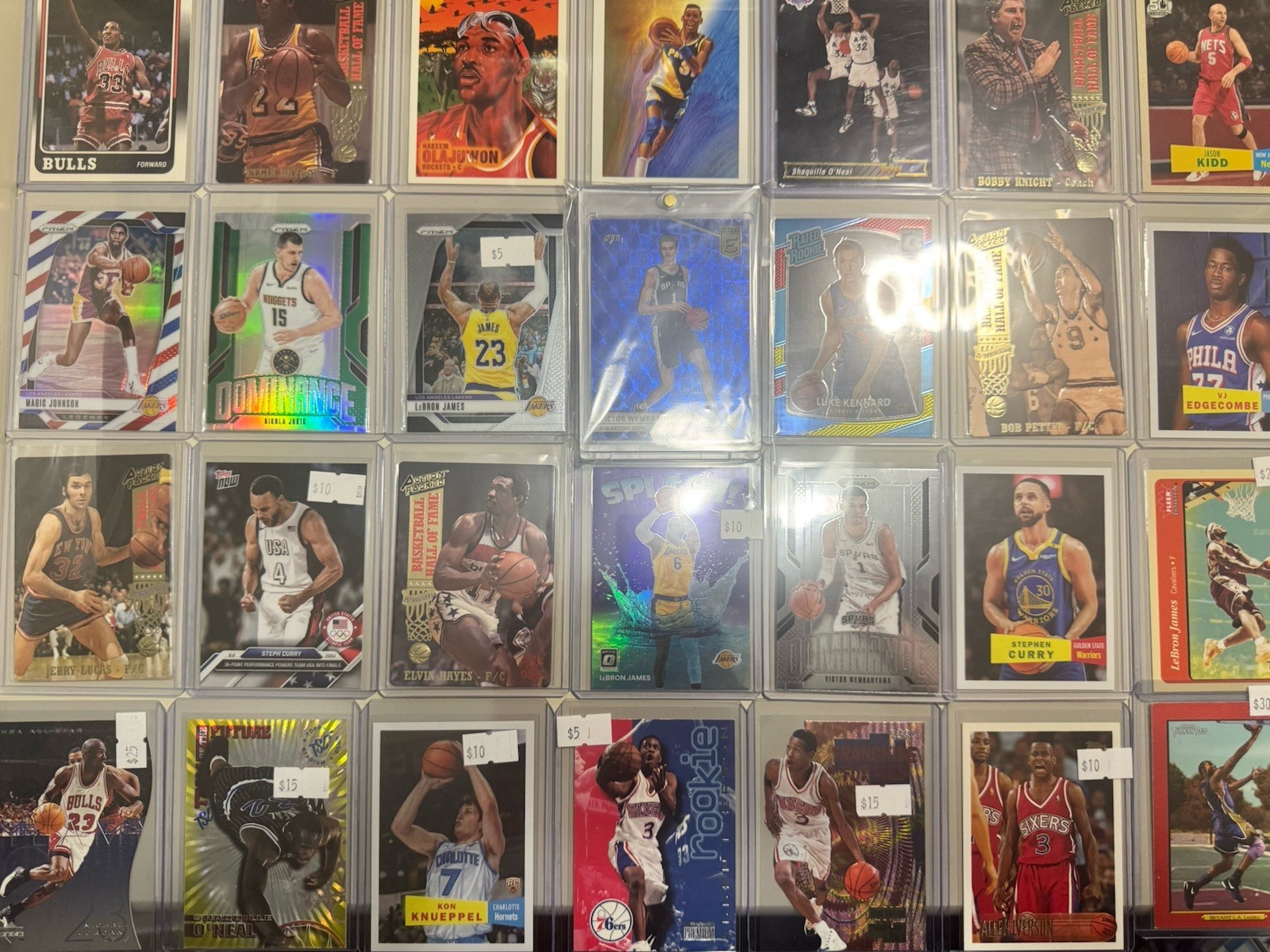
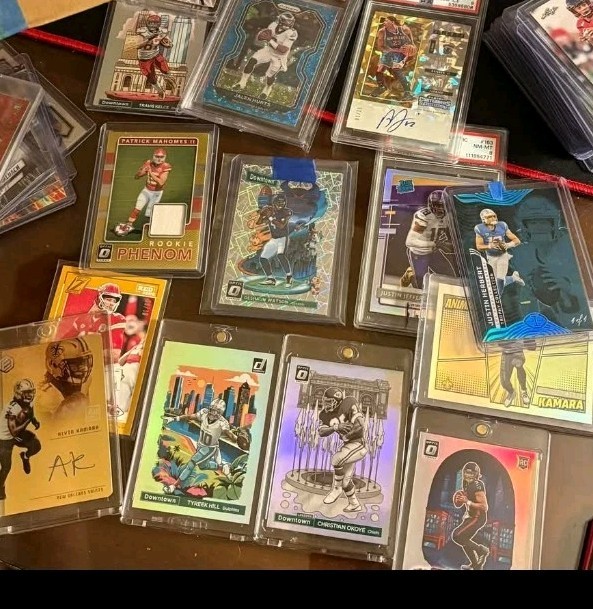



eBay links are affiliate links: JunkPal may earn a commission at no cost to you.
Resale values related to card stock
Shop card stock on eBay ↗
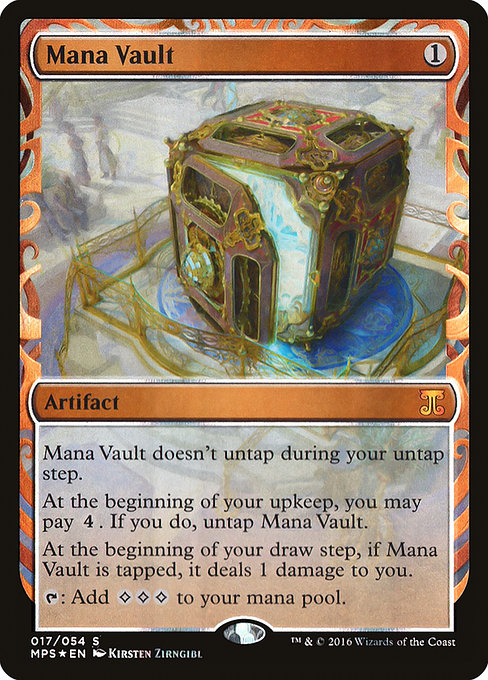

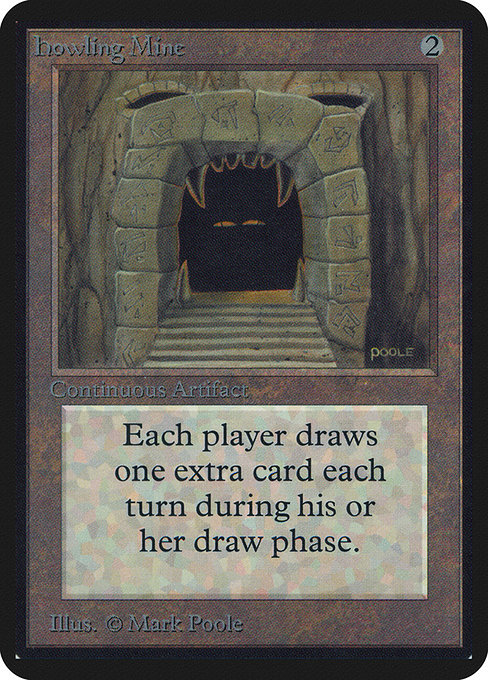



JunkPal may earn a commission when you buy through eBay links, at no extra cost to you.
What’s worth the most
Ranked on medians of real closed eBay sales, not asking prices.