What does “card slab protection” mean?
What it means
Card slab protection is the sealing of a trading card within a rigid, tamper-evident plastic case, commonly called a slab. This process is most often associated with professional third-party grading services (e.g., PSA, BGS, SGC). The slab serves two functions: physical preservation and third-party authentication. Physically, the hard plastic prevents common damage like corner wear, edge chipping, and surface abrasion. Authenticationally, the grading company assigns a numerical grade (e.g., PSA 10, BGS 9.5) and seals the card inside, guaranteeing its authenticity and condition to the market. The mainstream equivalent is having a certified, insured, and documented item.
What it does to price
The presence of a professional slab and grade is a direct, quantifiable value driver. A high-grade, professionally slabbed card typically commands a multiplier of 1.5x to 5x compared to the same card ungraded, depending on the rarity and market demand for that specific card. A PSA 10 (Gem Mint) copy of a sought-after rookie card might fetch $500 loose, but the same card graded and sealed in a PSA 10 slab can easily sell for $1,500 to $2,500. The grade itself is the primary price determinant; a card graded PSA 9 will sell for significantly less than a PSA 10, even if both look visually identical.
How to spot it
Genuine slab protection features a specific, proprietary holder design unique to the grading company (e.g., PSA uses distinct framing and labeling). The seal must be intact and show no signs of tampering or stress fractures. Sellers should provide high-resolution photos of the card *inside* the slab, clearly showing the grading company’s logo and the numerical grade sticker. Common issues include "re-slabbing"—where a card is removed from an original slab and placed into a new, fake slab. Look for signs of mismatched plastic or inconsistent corner wear on the holder itself.
Buying smart
Paying a premium for a slab is justified when the card is a high-demand rookie, a chase card, or if the grade is a perfect 10. For common or low-value cards, the premium often outweighs the card's intrinsic value; buying ungraded is usually better unless the card is extremely rare. A fair deal involves the asking price reflecting the *grade* achieved, not just the card's base value. If a seller is asking for a 2x premium over the established market rate for an ungraded copy, the grade must be near-perfect (e.g., PSA 9 or higher) to justify the cost.
Selling smart
Listing a card in a slab immediately elevates the perceived value and reduces buyer hesitation. The single most effective element in a listing is a clear, close-up photo of the grade label, showing the numerical score and the grading company’s official logo. This removes the need for the buyer to trust the seller’s subjective assessment of condition. For high-value items, sellers should specify the exact grading service and grade (e.g., "PSA 10 Gem Mint"). This specificity allows buyers to benchmark the price against established completed sales data.
On eBay right now
Current asking prices from live listings — not sold-comp medians.

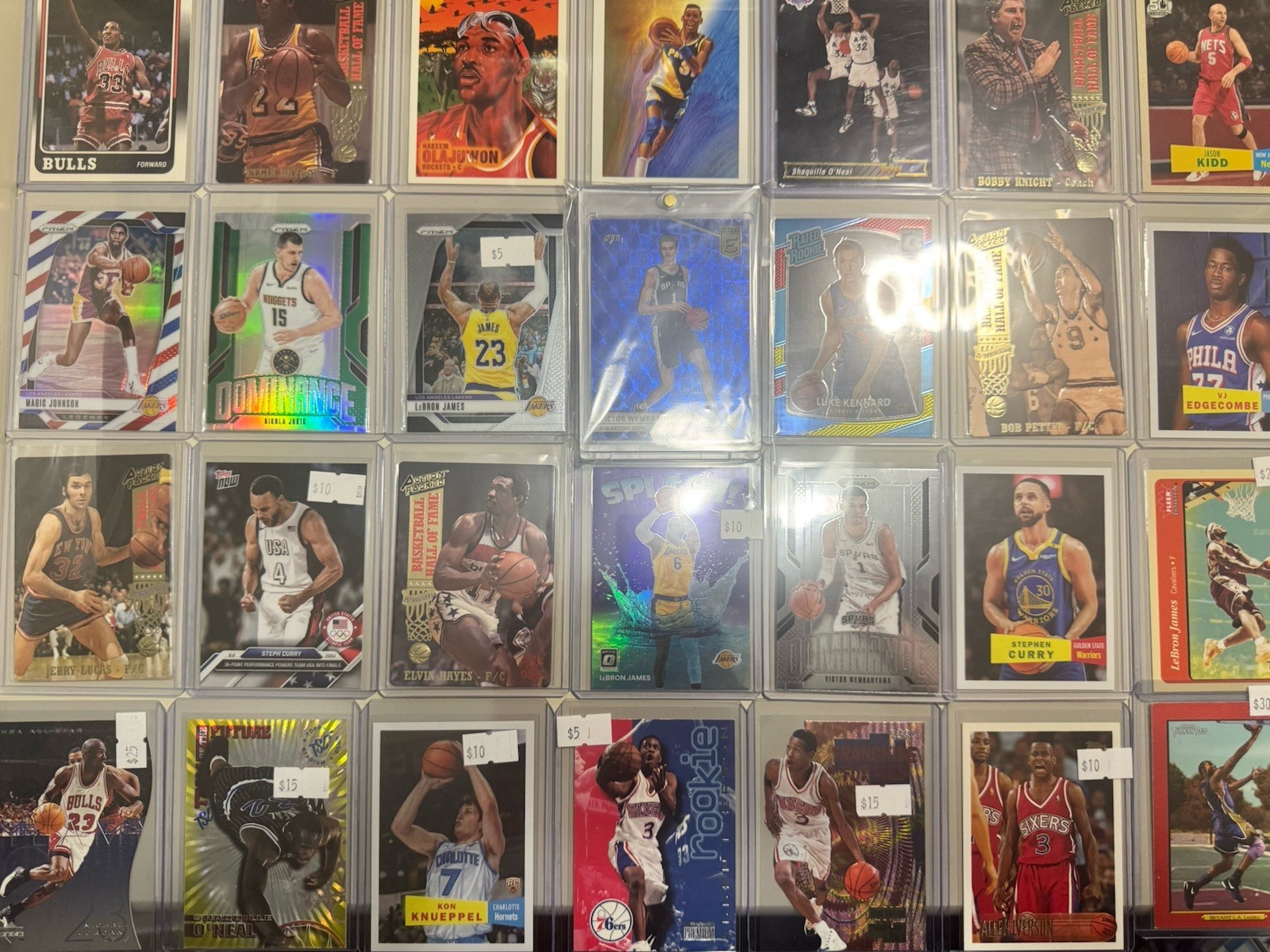
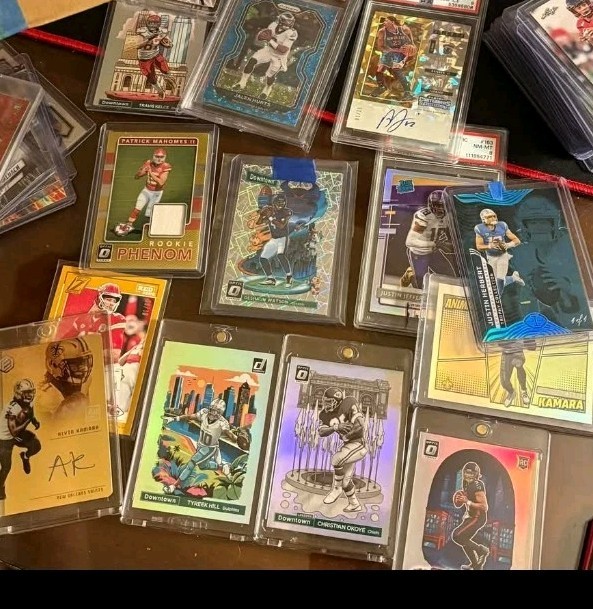


eBay links are affiliate links: JunkPal may earn a commission at no cost to you.
Resale values related to card slab protection
Shop card slab protection on eBay ↗





JunkPal may earn a commission when you buy through eBay links, at no extra cost to you.
What’s worth the most
Ranked on medians of real closed eBay sales, not asking prices.