What does “card slab” mean?
What it means
A card slab is a sealed, rigid plastic holder used to protect and certify collectible trading cards. This process is performed by third-party grading services such as PSA, Beckett (BGS), or SGC. The slab serves two primary functions: physical preservation and authentication. It provides verifiable proof of the card's condition (e.g., Centered, Corners, Surface, Edges) and confirms its authenticity against counterfeits. For the casual collector, it is a protective case; for the reseller, it is a verified asset.
What it does to price
Slabbed cards command a significant premium over raw (ungraded) cards, especially for high-demand or rare items. The multiplier effect varies wildly based on the card's baseline value. For a mid-tier, sought-after card, a professionally graded slab can fetch 2x to 5x the price of an equivalent ungraded copy, provided the grade is high (e.g., PSA 9 or higher). A card graded poorly (e.g., PSA 2) might sell for less than its raw counterpart because the low grade negates the slab's value. For instance, a common rookie card graded PSA 10 might sell for $50, whereas the same card raw might sell for $15-$25.
How to spot it
Authentic slabs feature specific, proprietary security seals and holographic stickers unique to the grading company. The card inside is typically mounted or encapsulated within the plastic, not just placed loosely inside a generic holder. Common fakes involve aftermarket, non-grading-company holders or poorly replicated seals. When assessing a listing, always request high-resolution photos of the certification label, the card's corners, and the seal edges. An honest mistake to watch for is a card that is "slabbed" but the grading company is unknown or unaccredited.
Buying smart
Paying a premium for a slab is justifiable when the card is a blue-chip investment, a high-demand rookie card, or when the card's market value is already high. The premium is worth it if the slab guarantees a high grade (PSA 9/10 equivalent). It is not worth the premium for low-value, common cards where the cost of grading often exceeds the potential appreciation. A fair deal involves the premium price reflecting the *grade* achieved, not just the fact that it is sealed. If a PSA 10 is listed at 1.5x the raw value, that is a reasonable premium.
Selling smart
When selling, the slab is the primary marketing tool. Listing the card with its specific grade (e.g., "PSA 9") immediately filters buyers and justifies the asking price. The single most effective element in a listing is a clear, well-lit photo of the *entire* certification label. This proves the grade and the authenticity instantly. Avoid vague descriptions; state the grading company and the exact grade. This documentation shifts the sale from a speculative purchase to the acquisition of a certified asset.
On eBay right now
Current asking prices from live listings — not sold-comp medians.

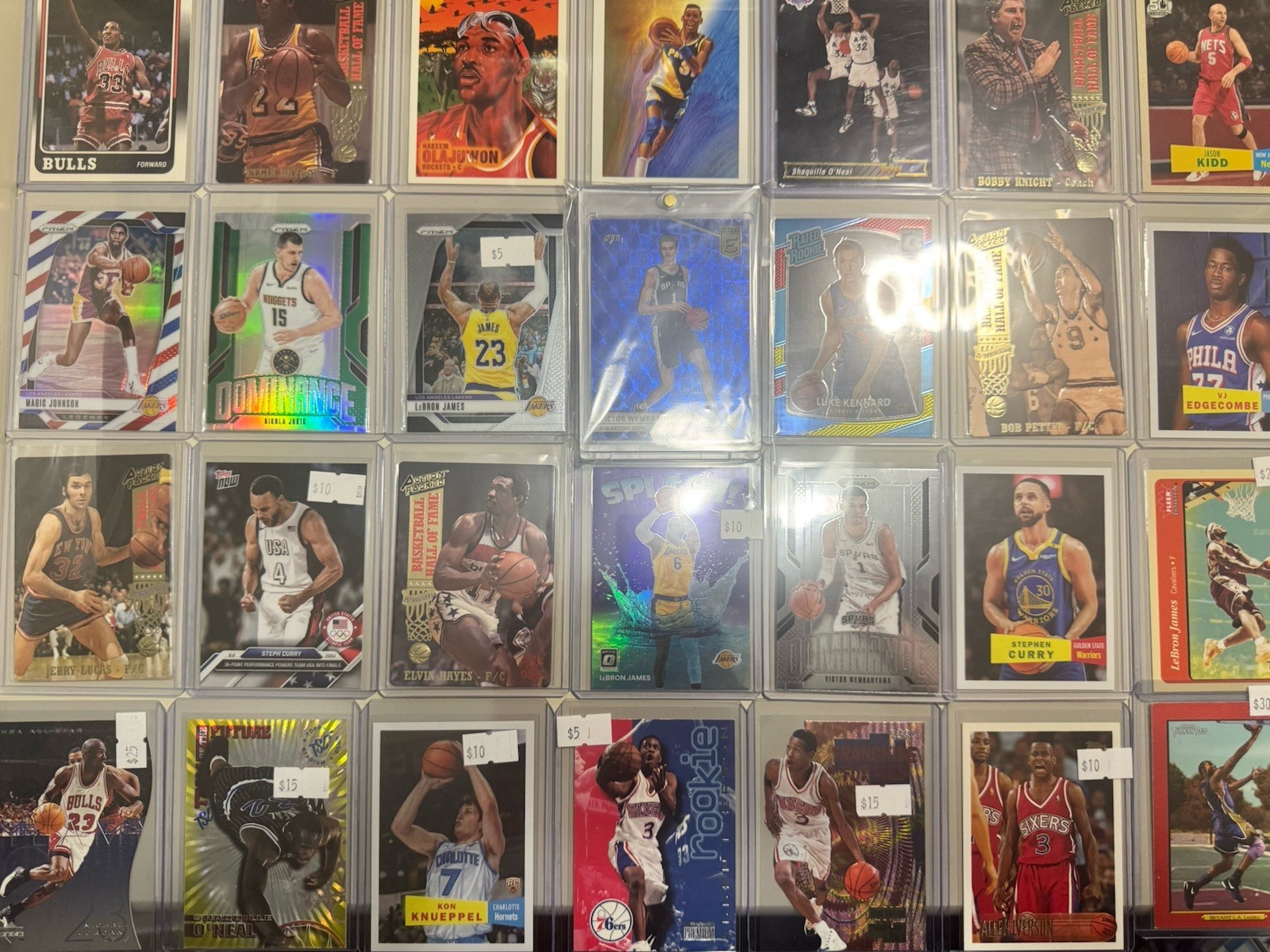
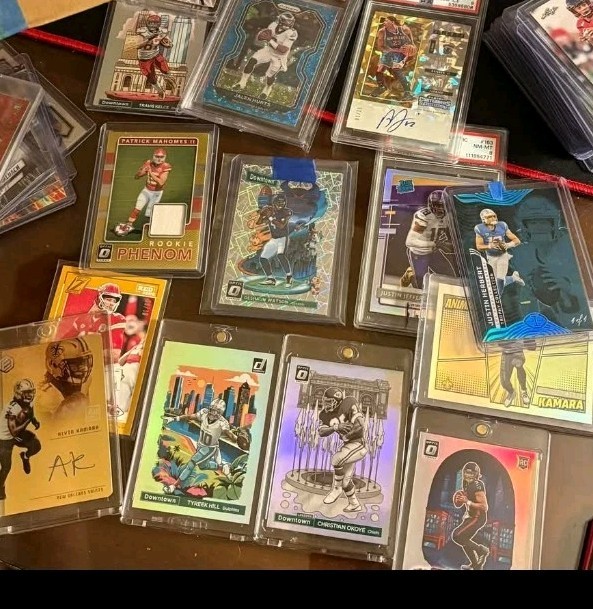


eBay links are affiliate links: JunkPal may earn a commission at no cost to you.
Resale values related to card slab
Shop card slab on eBay ↗

![Gastly [Tekno] #92](/api/images/junkpal-products/cards/gastly-tekno-92-pokemon-2000-topps-chrome-card/img0/thumb.webp)
![Vaporeon [Sparkle] #134](/api/images/junkpal-products/cards/vaporeon-sparkle-134-pokemon-2000-topps-chrome-card/img0/thumb.webp)
![Flareon [Tekno] #136](/api/images/junkpal-products/cards/flareon-tekno-136-pokemon-2000-topps-chrome-card/img0/thumb.webp)

JunkPal may earn a commission when you buy through eBay links, at no extra cost to you.
What’s worth the most
Ranked on medians of real closed eBay sales, not asking prices.